How Oakland's Marine Layer Creates Year-Round Moisture Problems
IICRC-certified restoration specialists — 15+ years restoring Oakland & East Bay homes.

Oakland's climate is one of its great luxuries — mild, temperate, rarely extreme. But that same gentle, damp marine air that makes the summers so pleasant is quietly hard on homes. The marine layer keeps humidity elevated year-round, and elevated humidity is exactly what mold needs to thrive.
Where the moisture comes from
The marine layer is the blanket of cool, moist ocean air that rolls in off the bay, most famously as summer fog. Neighborhoods closest to the water — West Oakland, the bayside flats, and the areas around the Estuary and Jack London Square — sit in it most consistently. Even outside of rainy season, that persistent moisture works on your home: it raises indoor humidity, drives condensation on cool surfaces, and keeps enclosed spaces from ever fully drying out.
Why Oakland's housing makes it worse
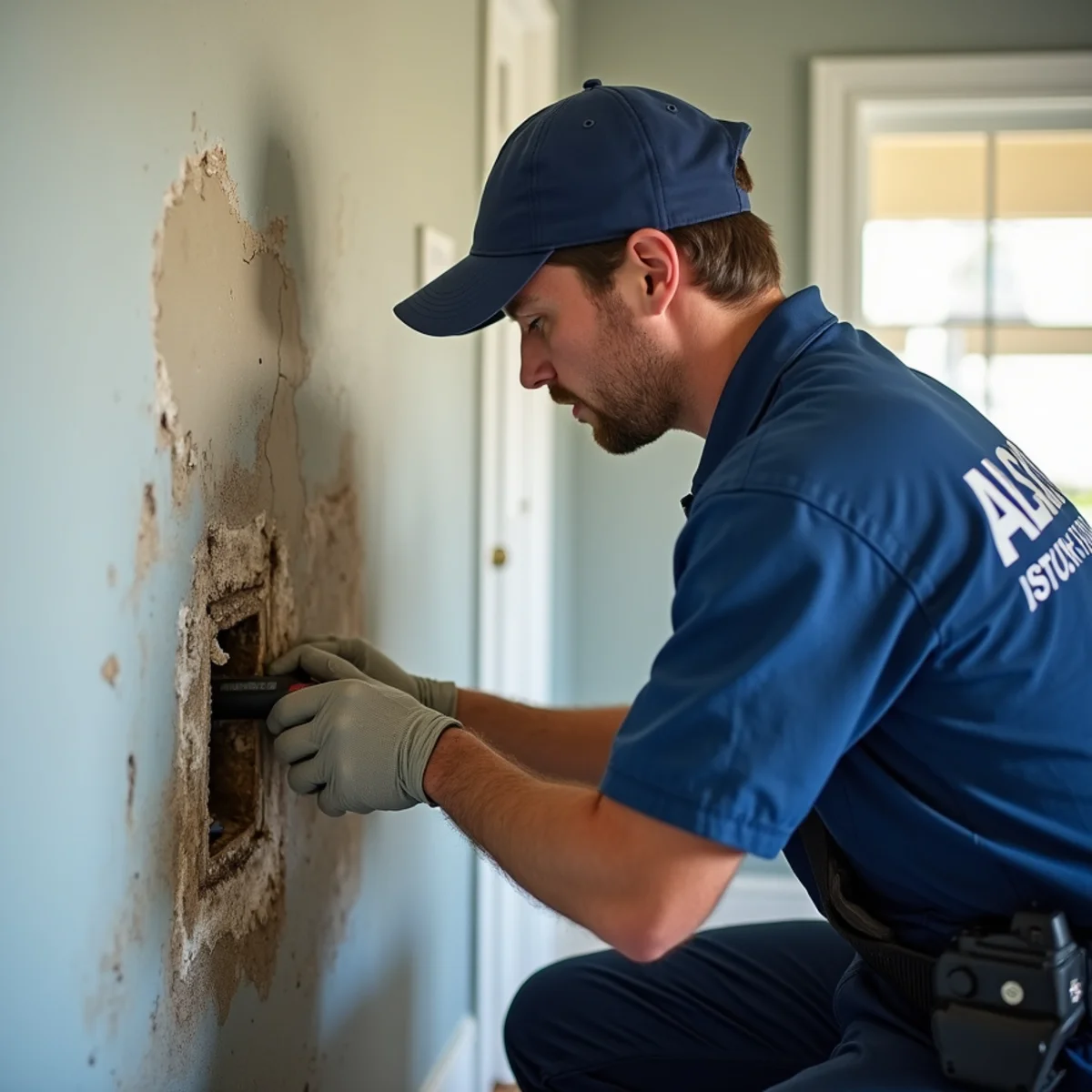
The marine layer meets a housing stock that traps moisture. Pre-1940 homes across Oakland have tight, poorly ventilated wall cavities and crawl spaces, and many have slow plumbing leaks weeping behind plaster. Combine humid air with a hidden moisture source and poor airflow, and you get the ideal conditions for mold to establish itself unseen.
Hillside homes have their own version — damp crawl spaces and daylight basements where ground moisture and slow drainage keep things wet under the floor, well out of sight.
The signs of a marine-layer moisture problem
- A persistent musty, earthy smell — often the first sign, before anything is visible.
- Condensation on windows, especially in the morning.
- Black, green, or white patches in bathrooms, closets, crawl spaces, and other low-airflow spots.
- Peeling paint, warped wood, or that clammy feeling in a room that never quite dries.
- Worsening allergies or congestion that eases when you leave the house.
How to fight back against the damp
Managing marine-layer moisture is about ventilation, drying, and cutting off hidden water sources:
- Run bathroom and kitchen exhaust fans and make sure they vent outside, not into the attic.
- Use a dehumidifier in chronically damp rooms and basements to hold indoor humidity in a healthy range.
- Ventilate or encapsulate crawl spaces and add a vapor barrier to stop ground moisture from rising.
- Fix even small plumbing leaks quickly — in this climate, a slow drip becomes mold fast.
- Improve airflow in closets and enclosed spaces where damp air stagnates.
Why fans alone won't fix real water damage
After an actual leak or flood, Oakland's humid air works against you — household fans can't overcome the marine layer to dry a wall cavity or subfloor before mold starts. That's why professional drying uses commercial dehumidifiers and monitored moisture readings, not just air movement.
When moisture has already become mold
If you're seeing or smelling mold, the fix has two parts: remove the mold safely under containment, and correct the moisture feeding it. Remove the mold without fixing the humidity source and it simply comes back. Our mold remediation service treats every job as a moisture problem first — we find and address the water source, then remediate, so the repair actually lasts in Oakland's damp climate.
Simple habits that keep indoor humidity in check
You can't turn off the marine layer, but you can keep it from settling into your home. Run bathroom and kitchen exhaust fans during and after showers and cooking, and make sure they vent outside rather than into the attic. In chronically damp rooms and basements, a dehumidifier set to hold humidity in the 30-to-50-percent range does most of the work.
Keep closet and cabinet doors cracked in problem areas so air can move, address even small plumbing drips quickly, and consider a vapor barrier or encapsulation for a damp crawl space. Small, consistent habits like these are far cheaper than the mold remediation they prevent in Oakland's climate.
If your home has that telltale musty smell or visible growth, reach out for an inspection — the sooner moisture is addressed, the smaller the problem stays.
Dealing with water damage in Oakland right now?
A local Oakland team answers live — 24/7, 365 days a year. We respond fast, document for insurance, and handle the whole job.
Frequently asked
Yes. In Oakland's marine climate, chronically high humidity plus poor ventilation can grow mold in bathrooms, closets, and crawl spaces with no distinct leak at all. Controlling humidity and airflow is key.
Keeping indoor relative humidity roughly in the 30–50% range makes conditions much less friendly to mold. A simple hygrometer and a dehumidifier in problem rooms go a long way in Oakland's damp air.
Yes. In Oakland's marine climate, chronically high humidity plus poor ventilation can grow mold in bathrooms, closets, and crawl spaces with no distinct leak at all. Controlling humidity and airflow is the key to preventing it.
Keeping indoor relative humidity roughly in the 30–50% range makes conditions much less friendly to mold. A simple hygrometer and a dehumidifier in problem rooms go a long way in Oakland's damp air.
The bayside flats take the most of it — West Oakland, the areas around the Estuary and Jack London Square, and other low neighborhoods closest to the water sit in the marine layer most consistently, which keeps humidity and mold risk up year-round.
It does. Sealing a crawl space with a vapor barrier, or full encapsulation with a dehumidifier, stops ground moisture from rising into the home and keeps that hidden space from feeding mold under the floor. It's one of the better long-term fixes for damp Oakland homes.
Keep exploring
Related services