Brown Stains and Sagging: What Ceiling Water Damage Means in Oakland Homes
IICRC-certified restoration specialists — 15+ years restoring Oakland & East Bay homes.
A water stain on the ceiling is one of the most common ways Oakland homeowners discover a problem — and one of the most misread. The stain itself is harmless. What it tells you about the water above it, and how long that water has been working, is what matters. Here's how to read what your ceiling is showing you.
What each sign actually means
Brown or yellow rings
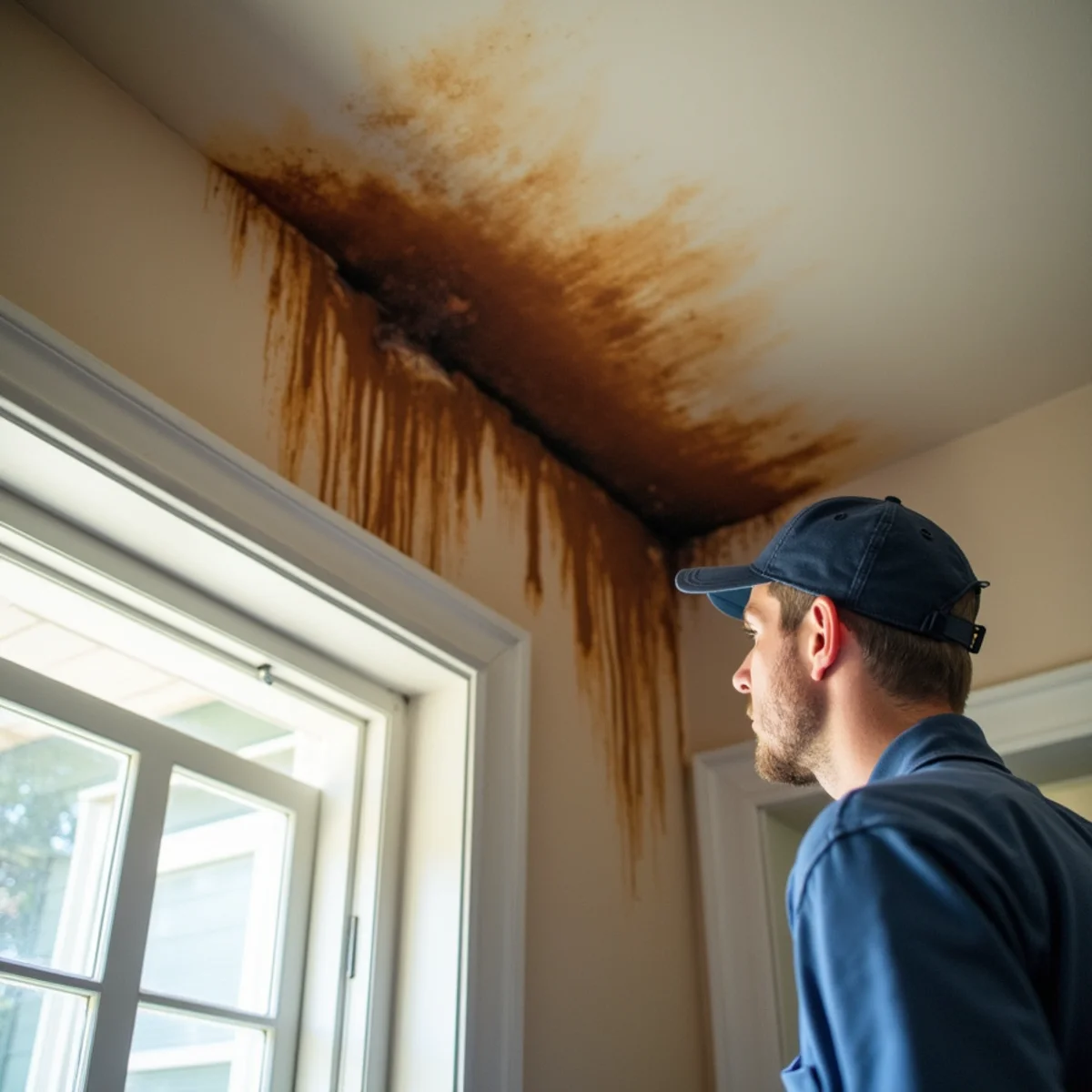
A discolored ring is the classic water stain. The ring marks the edge of where water spread and then dried; the color is minerals and dissolved material left behind. A faint, dry, stable ring may be from an old, resolved leak. A ring that's darkening or growing means water is still arriving. Either way, the stain is upstream evidence — the source is somewhere above it, often not directly above the visible mark, because water travels along joists and the back of the drywall before it drips through.
Sagging or bowing
This is the urgent one. A ceiling that sags, bows, or feels spongy is holding water, and saturated drywall or plaster is heavy. A sagging ceiling can collapse without much warning. Keep people out from under it, put a bucket down if it's actively dripping, and treat it as an emergency — don't wait to see if it gets worse.
Bubbling or peeling paint
Paint bubbles when moisture gets behind it and lifts it off the surface. Bubbling or blistering paint on a ceiling means active or recent moisture, even if there's no obvious stain yet. It's an early warning that water is present behind the finish.
Cracks that appear or widen
New cracks, or old ones that suddenly widen, can mean the ceiling material has been wetted and is swelling and shifting. In Oakland's older homes this matters more than it sounds, for a reason specific to how these houses are built.
Why plaster ceilings in older Oakland homes are different
Much of Oakland's housing stock predates drywall. Pre-1940 homes in neighborhoods like Rockridge, Temescal, and the older flatlands have plaster-and-lath ceilings — plaster pushed over thin wooden strips. Plaster behaves differently from drywall when it gets wet: it holds moisture longer, it's heavier when saturated (so sagging is a more serious collapse risk), and the bond between plaster and lath can fail, causing whole sections to let go. If you have an older home, treat ceiling water damage with extra urgency, and know that drying plaster takes longer than drying modern drywall.
Where the water is probably coming from
A ceiling leak has a limited list of likely sources:
- A roof leak — especially after Oakland's wind-driven winter storms, or around a worn flashing or skylight. Our guide on roof maintenance for Oakland's marine climate covers prevention.
- Upstairs plumbing — a supply line, a drain, or a failing fixture in a bathroom or kitchen above.
- An overflowing or leaking upstairs appliance — a washing machine, a water heater in a closet.
- HVAC condensation — a clogged condensate line or a sweating duct in the attic above the ceiling.
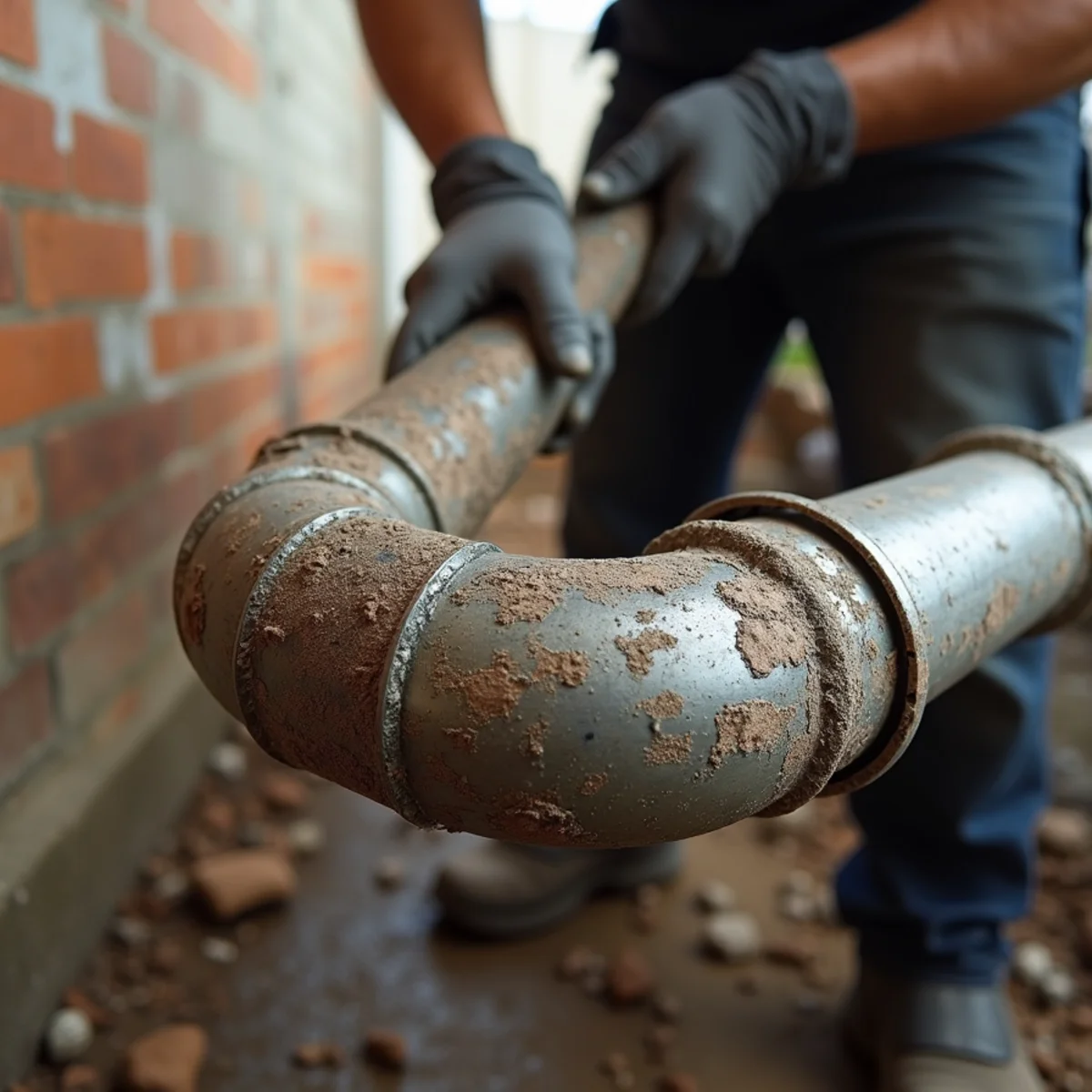
- In older homes, a tired galvanized supply line finally giving way behind the ceiling.
Why painting over a stain doesn't work
Covering a water stain with paint (even stain-blocking primer) hides the symptom while the source keeps leaking and the material behind stays wet. The stain bleeds back through, the damage spreads, and mold grows in the cavity. Find and fix the source and dry the material first — then paint.
What to do about it
If the ceiling is sagging or actively dripping, treat it as urgent: keep the area clear and get help. For a stain that's new or growing, the right sequence is find the source, stop the water, dry the material properly (verified with a meter, because the cavity above holds moisture you can't see), remediate any mold, and only then repair and repaint. A restoration crew can trace the source, check the cavity and the floor above for hidden damage, and dry it to the core — so the repair is the last step, not a cover-up over a problem that's still live.
Dealing with water damage in Oakland right now?
A local Oakland team answers live — 24/7, 365 days a year. We respond fast, document for insurance, and handle the whole job.
Frequently asked
A stable, dry, old stain usually isn't. A stain that's spreading or darkening means active water and should be addressed soon. A sagging or dripping ceiling is an emergency — saturated plaster or drywall is heavy and can collapse. Keep people out from under it and get help.
Because paint covers the symptom, not the cause. If the source is still leaking and the material behind is still wet, the stain bleeds back through and mold grows in the cavity. The source has to be fixed and the material dried before painting.
Water travels. It runs along joists and the back of the ceiling before it finds a low point to drip through, so the visible stain is often offset from the actual source. Tracing it usually takes following the path back, sometimes with a moisture meter or thermal camera.
Yes. Plaster holds moisture longer than drywall, is heavier when saturated, and can pull away from the lath in large sections. In pre-1940 homes, ceiling water damage deserves extra urgency and longer, verified drying.
Keep exploring
Areas we serve