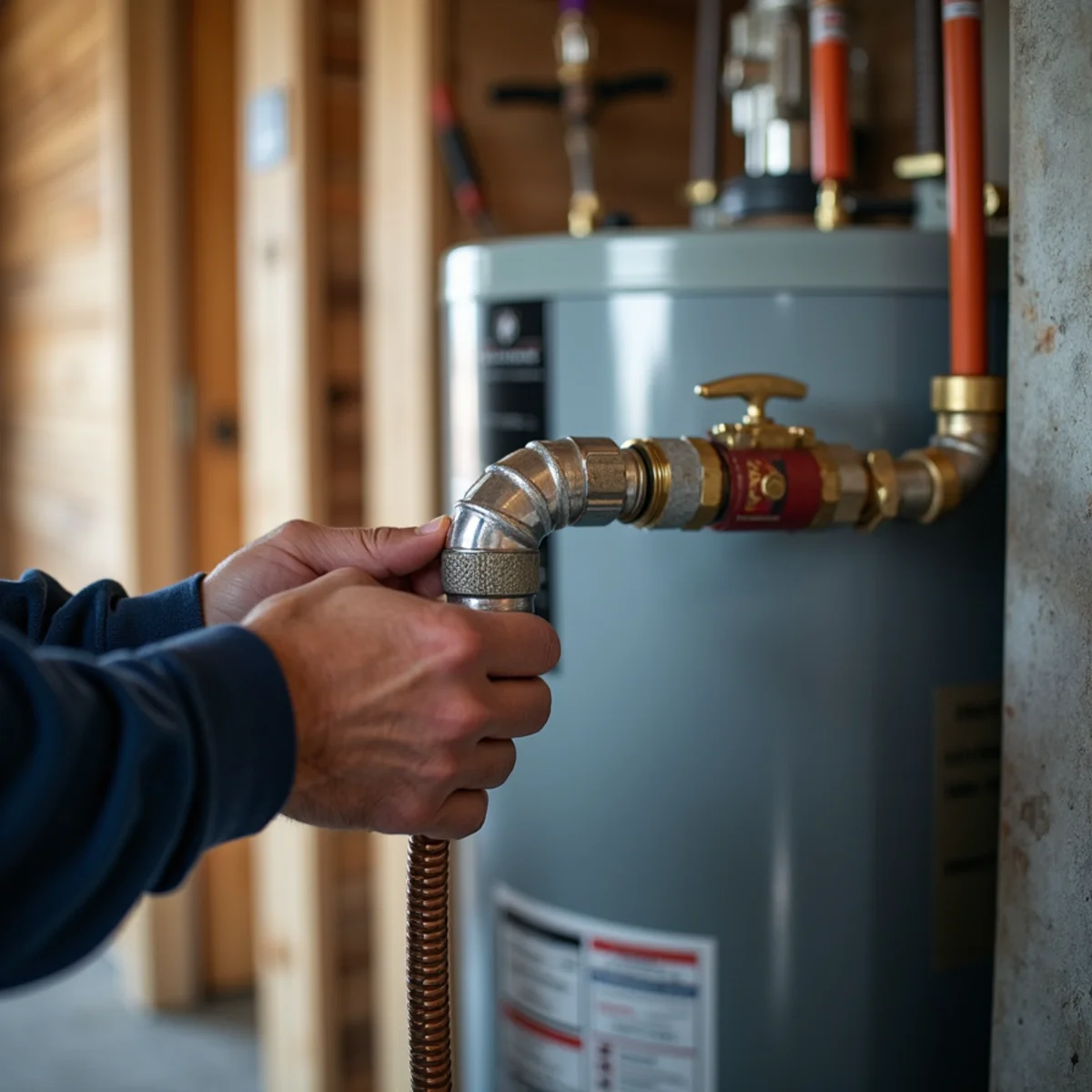
Galvanized Pipe Problems in Oakland's Historic Neighborhoods
IICRC-certified restoration specialists — 15+ years restoring Oakland & East Bay homes.
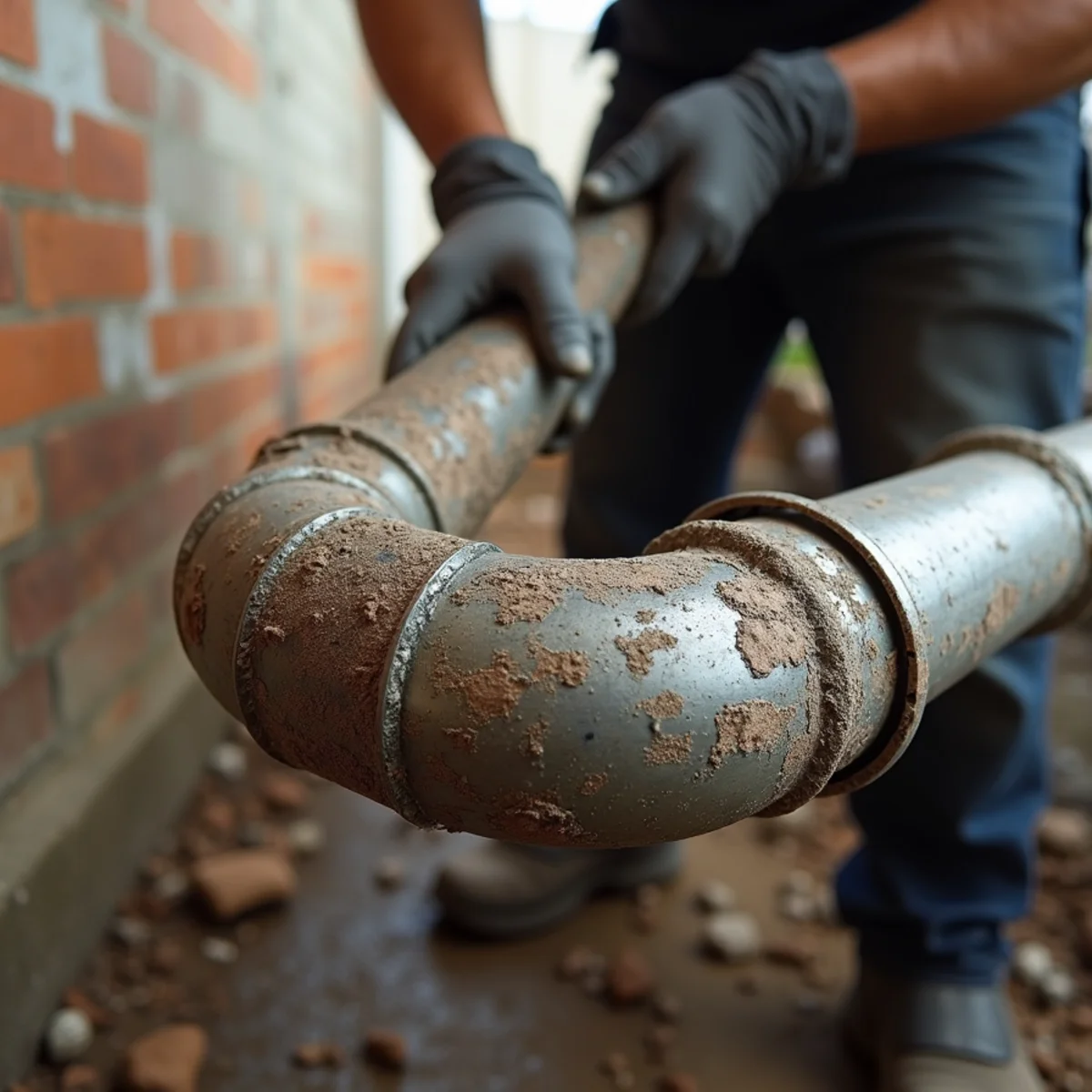
If you own an older home in Rockridge, Temescal, along Piedmont Avenue, or in any of Oakland's pre-1960 neighborhoods, there's a good chance your walls hide galvanized steel supply pipes. They were the standard for decades — and they don't last forever. Understanding how they fail helps you catch the problem before it becomes a flood.
How galvanized pipe fails
Galvanized steel pipe is coated with a layer of zinc to resist corrosion. That coating buys decades of service, but eventually it wears away, and once it's gone, the steel underneath starts to rust from the inside out. Two things happen as it corrodes:
- The rust builds up and narrows the inside of the pipe, choking your water pressure.
- The pipe wall thins and weakens until a joint or a run behind the wall finally gives way — often suddenly, and often behind a finished surface where you can't see it.
In Oakland's oldest homes, some of these pipes have been in service for nearly a century. They are well past the end of their expected life.
The warning signs to watch for
Galvanized pipe usually gives you clues before it fails catastrophically. Watch for:
- Low water pressure, especially if it's gotten worse over time — a classic sign of internal corrosion narrowing the pipe.
- Rusty or discolored water, particularly when you first turn on a tap in the morning.
- Visible corrosion, flaking, or rust stains on any exposed pipe in the basement or crawl space.
- Recurring small leaks or pinhole drips at fittings and joints.
- Uneven water pressure between fixtures as some runs corrode faster than others.
Copper isn't off the hook
Homes built between the 1950s and 1980s often have copper supply lines that develop pinhole leaks — tiny perforations that weep unseen inside walls for weeks. If your Oakland home is from that era, watch for unexplained damp spots and jumps in your water bill.
Why Oakland's setting makes it worse
Aging pipe is a nationwide issue, but a couple of local factors accelerate it here. The Hayward Fault runs through the East Bay, and seismic movement adds stress to already-tired underground pipe, jolting corroded joints that were barely holding. And in neighborhoods near Lake Merritt and the bay, a higher water table speeds up corrosion on external and underground lines.
When to replace — and why proactive beats reactive
There's no exact expiration date, but if your home still has original galvanized supply lines and you're seeing the warning signs above, it's time to talk to a plumber about repiping. Here's the math that matters: the cost of proactively replacing your supply lines is almost always far less than the cost of restoring a home after a hidden pipe bursts behind a wall and floods the structure.
Repiping also removes an ongoing insurance risk. A sudden burst is usually covered, but insurers can push back on damage they view as the result of long-known, neglected corrosion.
What to do if a pipe has already failed
If a galvanized pipe has burst, the priority is stopping the water and drying the structure fast — including the wall cavities and subfloor the water reached, which is usually more than the visible stain suggests. Our burst pipe water damage service handles the extraction, drying, and rebuild, and we coordinate the plumbing repair while the wall is already open — the efficient time to do it.
How to tell if your home still has galvanized pipe
You don't need a plumber to get a first read. Find an exposed section of supply pipe — usually in the basement, garage, or crawl space where it enters the house or feeds the water heater. Galvanized steel is a dull silver-gray, and unlike copper, a refrigerator magnet will stick to it. Copper is that familiar reddish-brown; modern PEX is flexible plastic, usually white, red, or blue.
If a magnet sticks and the pipe looks dull and threaded at the joints, you're likely looking at original galvanized. Tap it — heavily corroded pipe often sounds dull and feels thick with buildup. Any of that, combined with low pressure or rusty morning water, is a strong sign it's time to have the system evaluated before it picks the timing for you.
For homes in Oakland's historic neighborhoods, we bring the specialized drying that protects original hardwood, plaster, and built-ins. Reach out any time if a pipe has let go.
Dealing with water damage in Oakland right now?
A local Oakland team answers live — 24/7, 365 days a year. We respond fast, document for insurance, and handle the whole job.
Frequently asked
Typically 40 to 70 years, though many in Oakland's oldest homes have gone longer. Once you're seeing low pressure, rusty water, and recurring leaks, the system is signaling that it's near the end.
You can, but patching one failed section often just shifts the pressure to the next weak spot. If the whole system is original, a full repipe usually makes more sense than chasing failures one at a time.
It varies with the size of the home and access, but repiping is almost always a fraction of what a hidden pipe failure costs once it floods finished walls and floors. Think of it as prevention that also removes an ongoing insurance headache.
You can, but patching one spot often just moves the pressure to the next weak point, and old galvanized tends to fail repeatedly once it starts. If the whole system is original, a full repipe usually makes more sense than chasing leaks one at a time.
Oakland's EBMUD water is moderately hard, and mineral scale adds to the internal buildup that narrows and weakens aging pipe. It's one more reason older homes here see galvanized failures sooner rather than later.
Keep exploring
Related services