Earthquake-Proofing Your Plumbing: Hayward Fault Risks for Oakland Homes
IICRC-certified restoration specialists — 15+ years restoring Oakland & East Bay homes.
Oaklanders think about earthquakes in terms of the big one — the structural damage, the safety plan. Fewer people think about what a quake does to the pipes in the walls and under the floor. But seismic movement is one of the quiet, ongoing causes of plumbing failure and water damage in the East Bay, and a few practical steps can meaningfully reduce your risk.
How the Hayward Fault stresses your plumbing
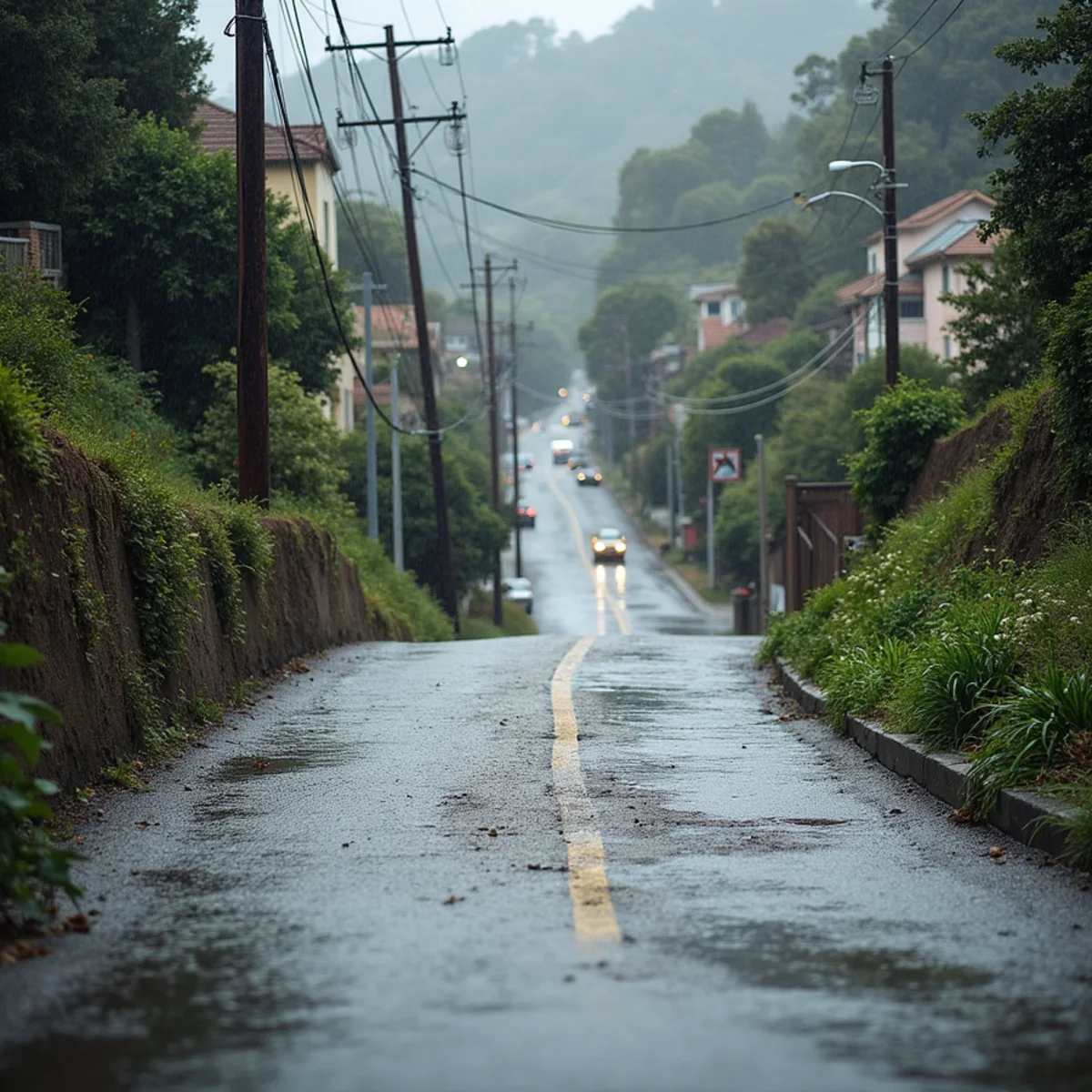
The Hayward Fault runs directly through the East Bay, and it doesn't only matter during a major earthquake. Smaller seismic movements — and the slow creep along the fault — gradually stress underground and in-wall pipe. Rigid pipe connections shift, joints separate, and hairline cracks open up. In hillside neighborhoods like Montclair and Redwood Heights, this combines with slow soil creep that pulls pipe sections out of alignment over the years.
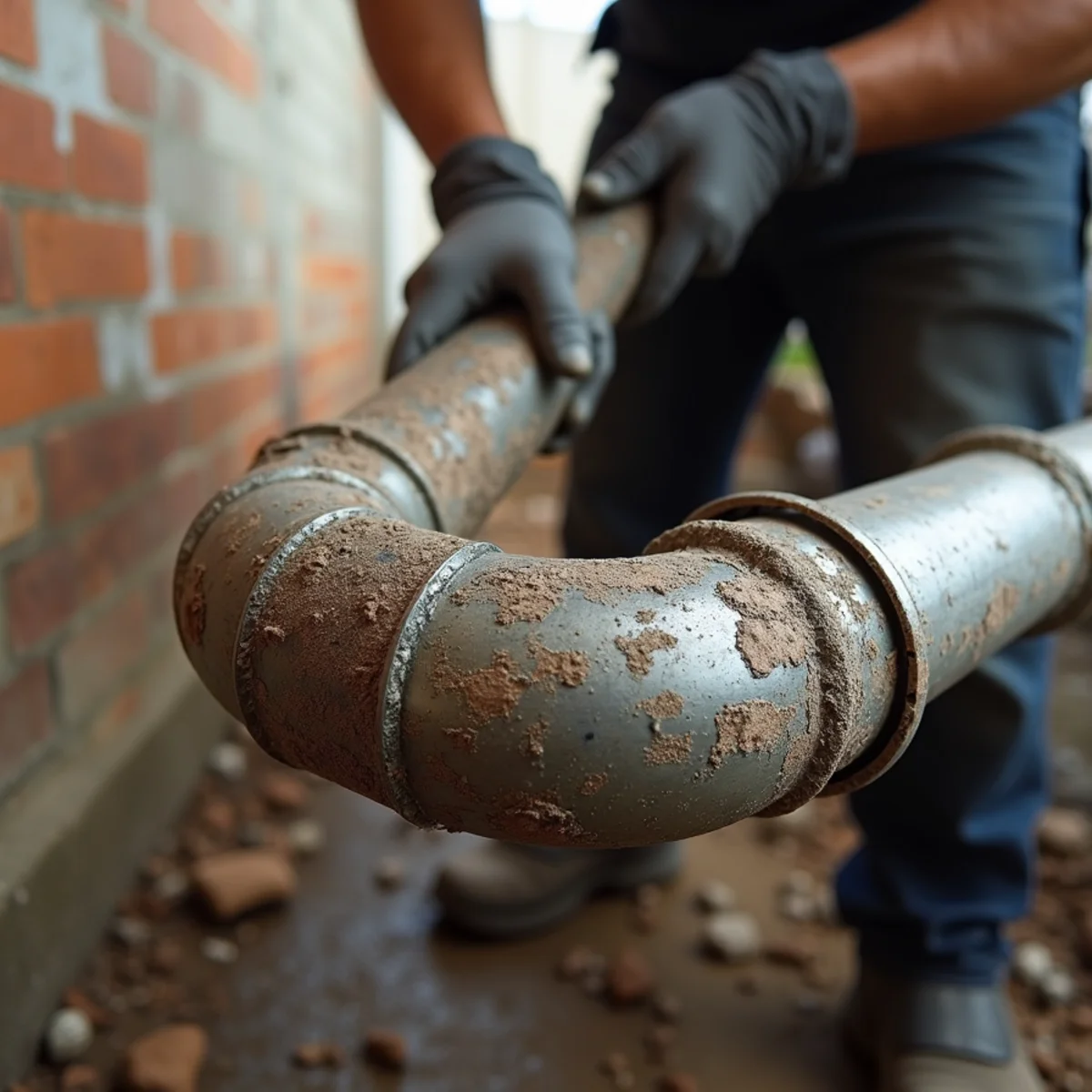
The result is often a slow leak that appears with no obvious cause, or a joint that finally lets go long after the shaking you barely noticed. When a bigger quake does hit, already-corroded galvanized pipe in Oakland's older homes is especially prone to failure.
Step 1: Install a seismic gas shutoff valve
This one is about safety first, but it's foundational. An automatic seismic gas shutoff valve senses strong shaking and cuts the gas supply, reducing fire risk after a quake. It's a small investment that protects your whole home — and it's worth pairing with knowing where your manual gas and water shutoffs are.
Step 2: Add flexible connectors
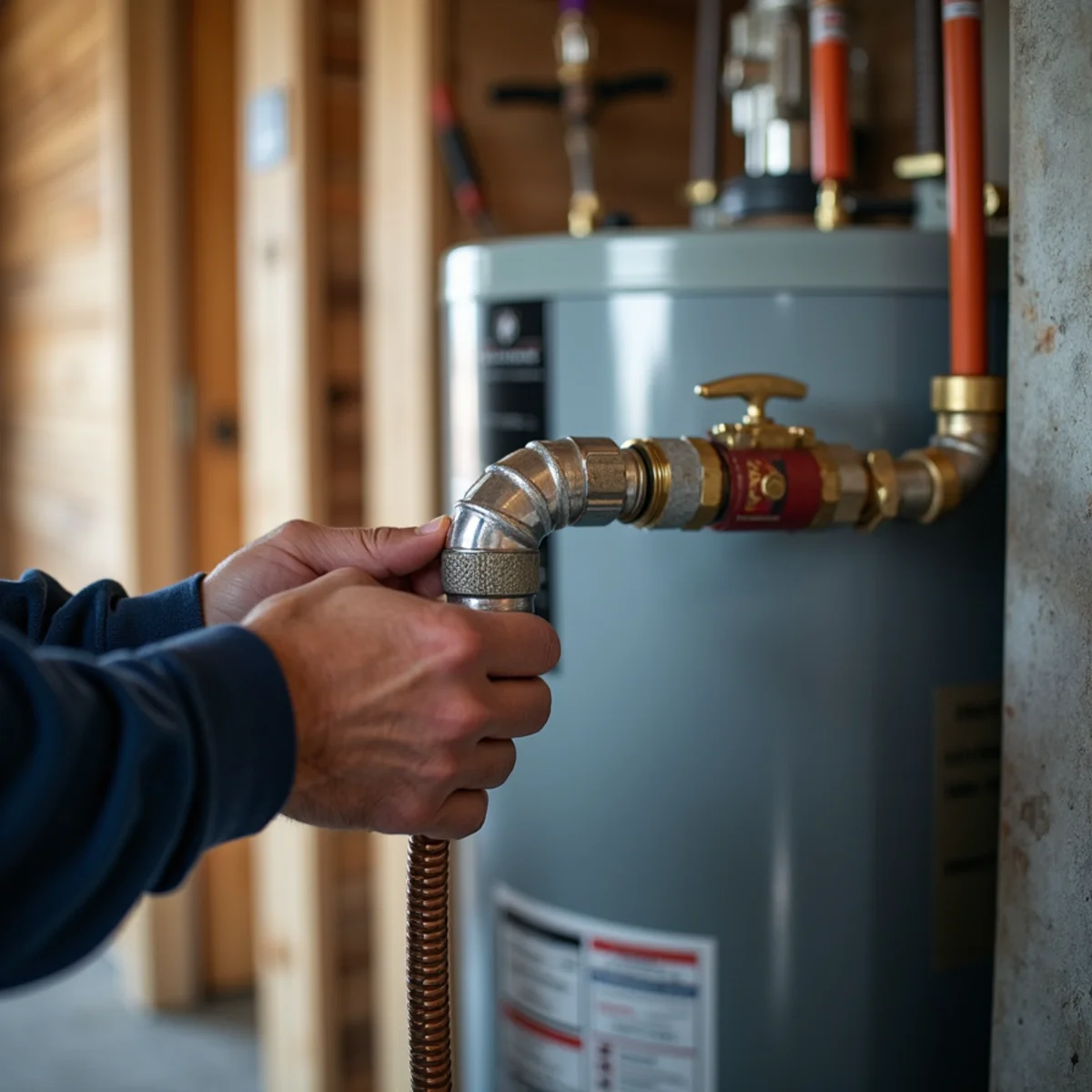
Rigid supply connections are the most vulnerable points during shaking. Replacing them with flexible, braided connectors gives the plumbing room to move without snapping. Prioritize:
- Your water heater's supply and gas lines.
- Washing machine hoses (upgrade rubber hoses to steel-braided ones while you're at it).
- Supply lines under sinks and behind toilets.
Step 3: Strap and brace your water heater
An unstrapped water heater can topple in a quake, shearing its connections and dumping 40-plus gallons across your floor — plus creating a gas hazard. California code requires water heaters to be strapped at two points, upper and lower. If yours isn't properly braced, that's a same-day fix worth making.
Consider a whole-home leak shutoff
Smart leak-detection systems with automatic shutoff valves monitor your water flow and cut the supply when they detect an abnormal leak — including one triggered by seismic damage while you're away. For Oakland's older homes, it's one of the best modern defenses available.
Step 4: Address aging pipe before it's tested
The best seismic preparation for an older Oakland home is often to replace the aging galvanized pipe that a quake is most likely to break. Corroded, brittle pipe fails under stress that newer flexible plumbing would shrug off. If you're already seeing low pressure or rusty water, repiping does double duty — it removes the everyday failure risk and makes your system far more earthquake-resilient.
If a quake causes water damage
After any significant shaking, check for leaks — under sinks, around the water heater, and for any new damp spots or drops in water pressure that suggest a hidden break. If you find water damage, fast extraction and drying limits the harm, especially since post-quake demand can strain everyone at once.
A five-minute post-quake plumbing check
After any noticeable shaking, a quick walk-through can catch a small problem before it becomes a flood. Check under every sink and behind the toilets for new drips, look around the base of the water heater for moisture, and listen for the hiss of a leak or a water meter that keeps spinning with everything off.
Also watch for a sudden change in water pressure or discolored water in the days after a quake — both can signal a line that shifted or cracked underground. If anything looks off, shut the water at the main and have it checked. Catching a hairline crack early is the difference between a repair and a restoration.
Our team responds to burst pipe and water damage emergencies across Oakland 24/7, and we know how the East Bay's seismic and hillside conditions play into pipe failures. Call us any time you need help.
Dealing with water damage in Oakland right now?
A local Oakland team answers live — 24/7, 365 days a year. We respond fast, document for insurance, and handle the whole job.
Frequently asked
Yes. Even minor seismic movement, repeated over time and combined with the fault's slow creep, stresses rigid pipe connections and can open leaks — particularly in older galvanized systems and on hillside lots where soil movement adds to it.
For most Oakland homes, properly strapping the water heater and adding flexible connectors gives the biggest safety-and-damage payoff for the lowest cost. If your pipe is old galvanized, repiping is the bigger long-term win.
In most Oakland homes it's at the meter near the street, or where the supply line enters the house — a basement, garage, or crawl space. Find it before you need it, and make sure the valve actually turns; old gate valves can seize.
Water heaters must be strapped at two points by California code, and flexible braided connectors are strongly recommended because they tolerate movement without shearing. Both are inexpensive upgrades that pay off in a quake.
It depends on the policy. Standard homeowners insurance excludes earthquake damage entirely, and separate earthquake policies vary on whether they cover resulting water losses. Review your specific coverage, and document any damage carefully — which we help with.
Keep exploring
Related services