Hillside Drainage Issues in Oakland: Montclair, Redwood Heights & the Hills
IICRC-certified restoration specialists — 15+ years restoring Oakland & East Bay homes.
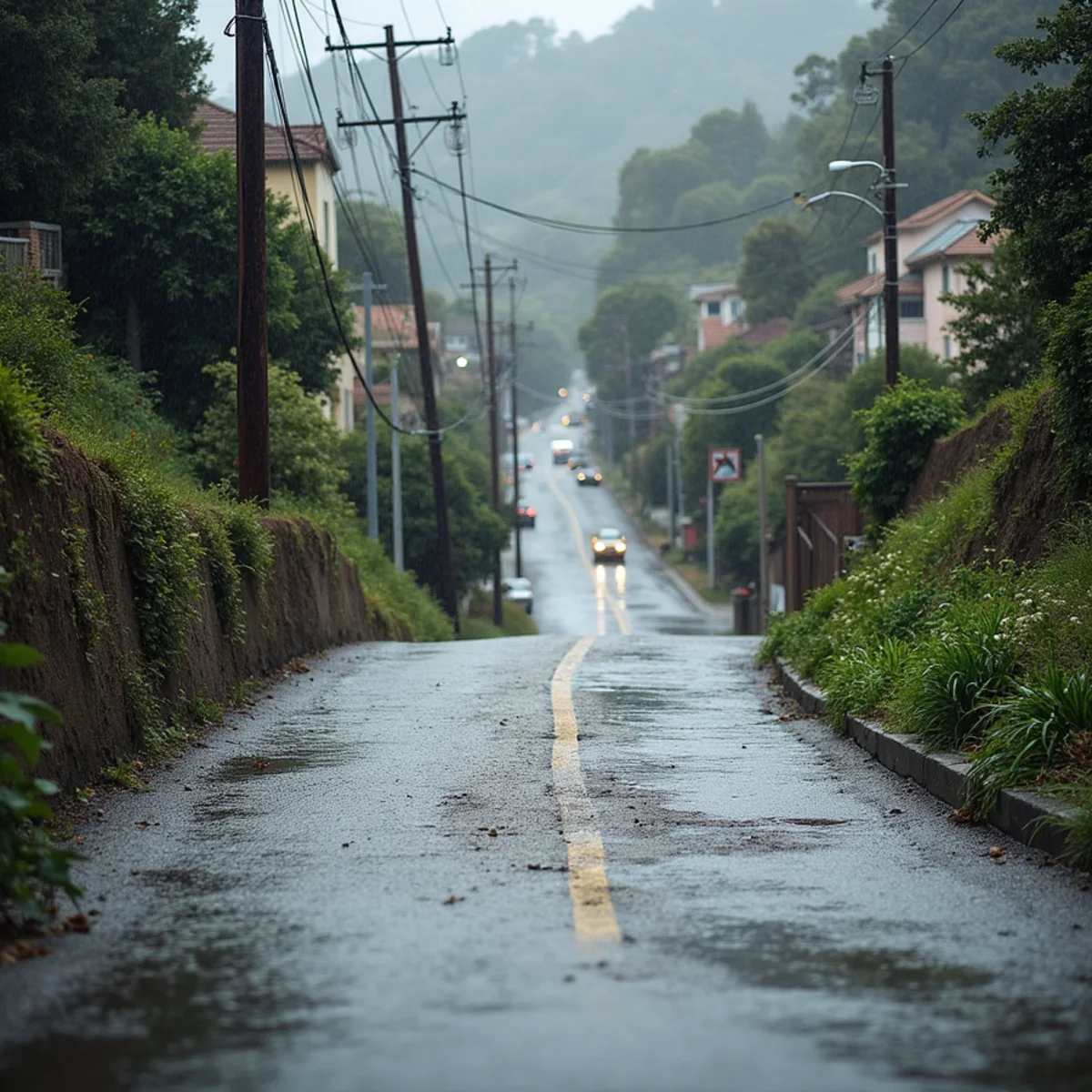
Water damage in the flatlands and water damage in the hills are two different problems. Down in the flats, water rises up — from storm drains, creeks, and a high water table. In the Oakland Hills — Montclair, Redwood Heights, Claremont Hills, and the winding streets above them — water comes down, and the slope itself is the source of the trouble.
The two ways hillside homes get wet
Runoff during storms
When an atmospheric river dumps rain on the hills, that water has to go somewhere, and gravity sends it downhill fast. It sheets across yards and streets, pools against the uphill side of houses, and pushes in wherever it finds a path — through foundation cracks, at the base of walls, and into daylight and walk-out basements at their low side. Saturated hillside soil then keeps feeding moisture in for days after the rain stops.
Soil creep over the years
The slower, sneakier problem is soil creep — the gradual downhill movement of soil on a slope. Over years, it pulls underground pipe sections out of alignment, so sewer laterals and supply lines that were fine for decades start to leak or separate at the joints. Add seismic movement from the nearby Hayward Fault, and those tired connections get a sudden jolt on top of the slow strain. It's a combination almost unique to hillside neighborhoods like Montclair.
Warning signs your drainage isn't keeping up
- Water pooling against the uphill side of your home after rain.
- Damp spots, efflorescence (white mineral staining), or seepage in a daylight basement or lower level.
- Erosion channels or bare soil where runoff is carving a path across your yard.
- A retaining wall that's bulging, leaning, or weeping water through its face.
- Unexplained damp spots that suggest a shifted, leaking underground pipe.
Solutions that actually work on a slope
Keeping a hillside home dry is about managing where the water goes before it reaches the house:
- French drains and area drains to intercept runoff uphill of the home and route it safely around and past the foundation.
- Proper grading so the ground slopes away from the house, not toward it.
- Well-maintained gutters and downspouts that carry roof water well away from the foundation, not dumping it at the base.
- Sound retaining walls with working weep holes and drainage behind them.
- Sump pumps for daylight basements that still take on water despite exterior measures.
Access matters in the hills
Montclair's steep, narrow, winding roads make emergency response slower if a company isn't set up for it. When you're choosing help, make sure they carry portable equipment that can reach a home a big truck can't get close to.
When water does get in
Hillside water intrusion needs fast extraction and, crucially, thorough drying — daylight basements and crawl spaces hold humidity and dry slowly, so surface-drying alone leaves a hidden mold risk. Our basement flooding and water damage services are built for the Oakland Hills, right down to the drying strategy for enclosed below-grade spaces and the drainage advice to stop it recurring.
Signs your hillside drainage is already failing
Hillside water problems rarely start as a flood — they start as small signals most homeowners walk past. Watch for water pooling against the uphill side of the house after rain, damp spots or white mineral staining on a lower-level wall, erosion channels cutting across the yard, and a retaining wall that's begun to lean, bulge, or weep through its face.
Inside, a daylight basement or garage that smells musty even in dry weather is telling you moisture is getting in and lingering. None of these are emergencies on their own, but together they're a hillside home asking for a drainage assessment before the next big storm forces the issue.
If your hillside home has taken on water, call us any time — we know these slopes and the homes on them.
Dealing with water damage in Oakland right now?
A local Oakland team answers live — 24/7, 365 days a year. We respond fast, document for insurance, and handle the whole job.
Frequently asked
It usually comes down to grading and drainage. Small differences in how the land slopes, where runoff channels, and how gutters discharge can send water toward one home and away from another. An assessment can pinpoint your specific path.
You can't stop the slope from moving, but you can reduce its impact with proper drainage that keeps soil from getting saturated, and by using flexible pipe connections that tolerate movement better than rigid ones.
A French drain is a gravel-filled trench with a perforated pipe that intercepts and redirects subsurface and runoff water before it reaches your foundation. On Oakland Hills lots, it's one of the most effective ways to keep hillside water moving around the house instead of into it.
It usually comes down to grading and drainage. Small differences in how the land slopes, where runoff channels, and how gutters discharge can send water toward one home and away from another. An assessment can pinpoint your specific path.
You can't stop a slope from moving, but you can reduce its impact — proper drainage keeps soil from getting saturated, and flexible pipe connections tolerate movement far better than rigid ones. That combination limits the leaks soil creep causes.
Yes. A retaining wall without working weep holes and drainage behind it traps water, bulges, and eventually fails. If yours is leaning, cracking, or weeping through its face, that's a drainage problem worth addressing before winter.
Keep exploring
Related services