Sump Pump Maintenance for Oakland Homes: A Seasonal Checklist
IICRC-certified restoration specialists — 15+ years restoring Oakland & East Bay homes.
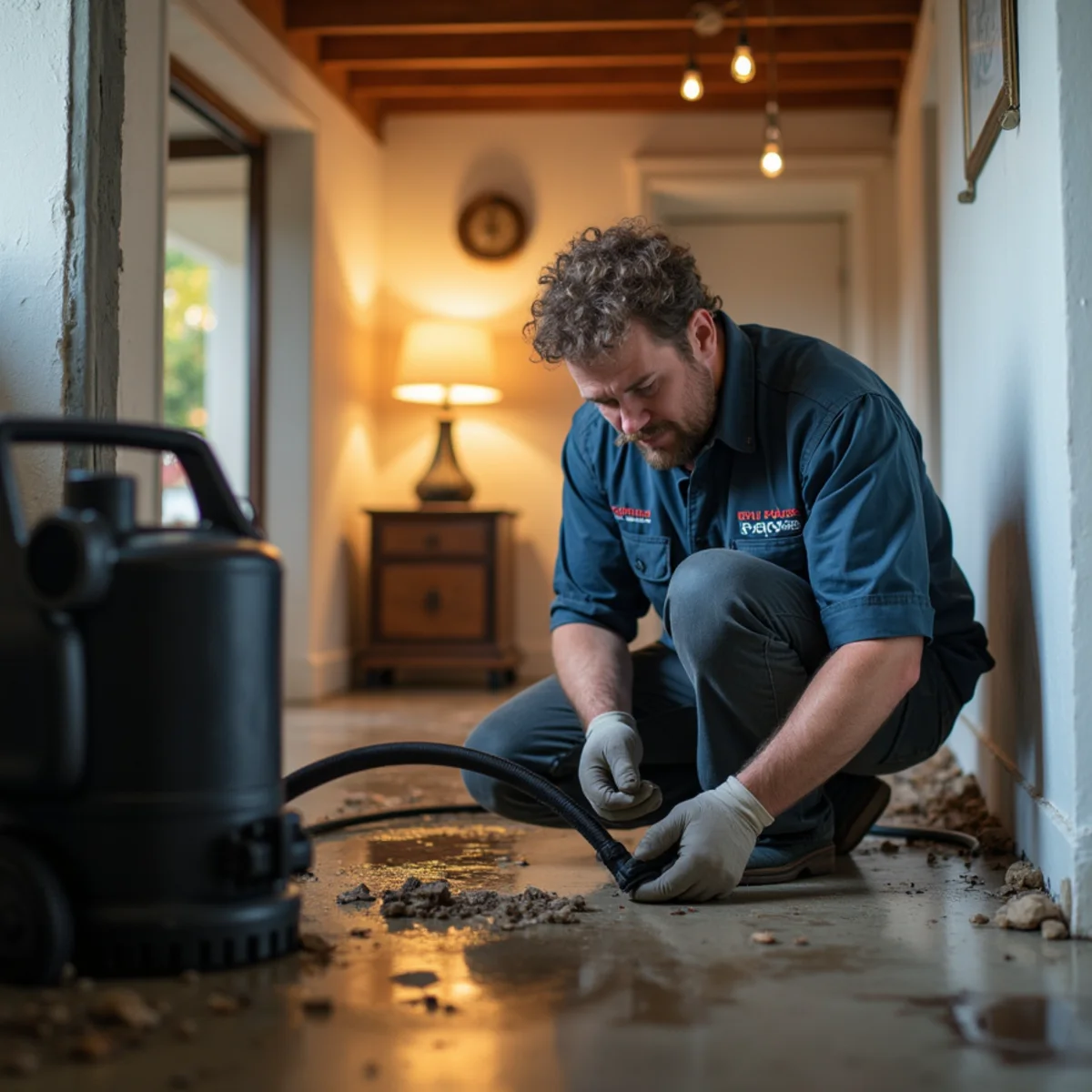
A sump pump is one of the most important defenses a flood-prone Oakland home has — and one of the most neglected. It sits quietly in a pit for months, then is asked to perform flawlessly the moment a big storm hits. The homes that stay dry are the ones whose owners tested the pump before the season, not during it.
Who needs a sump pump in Oakland
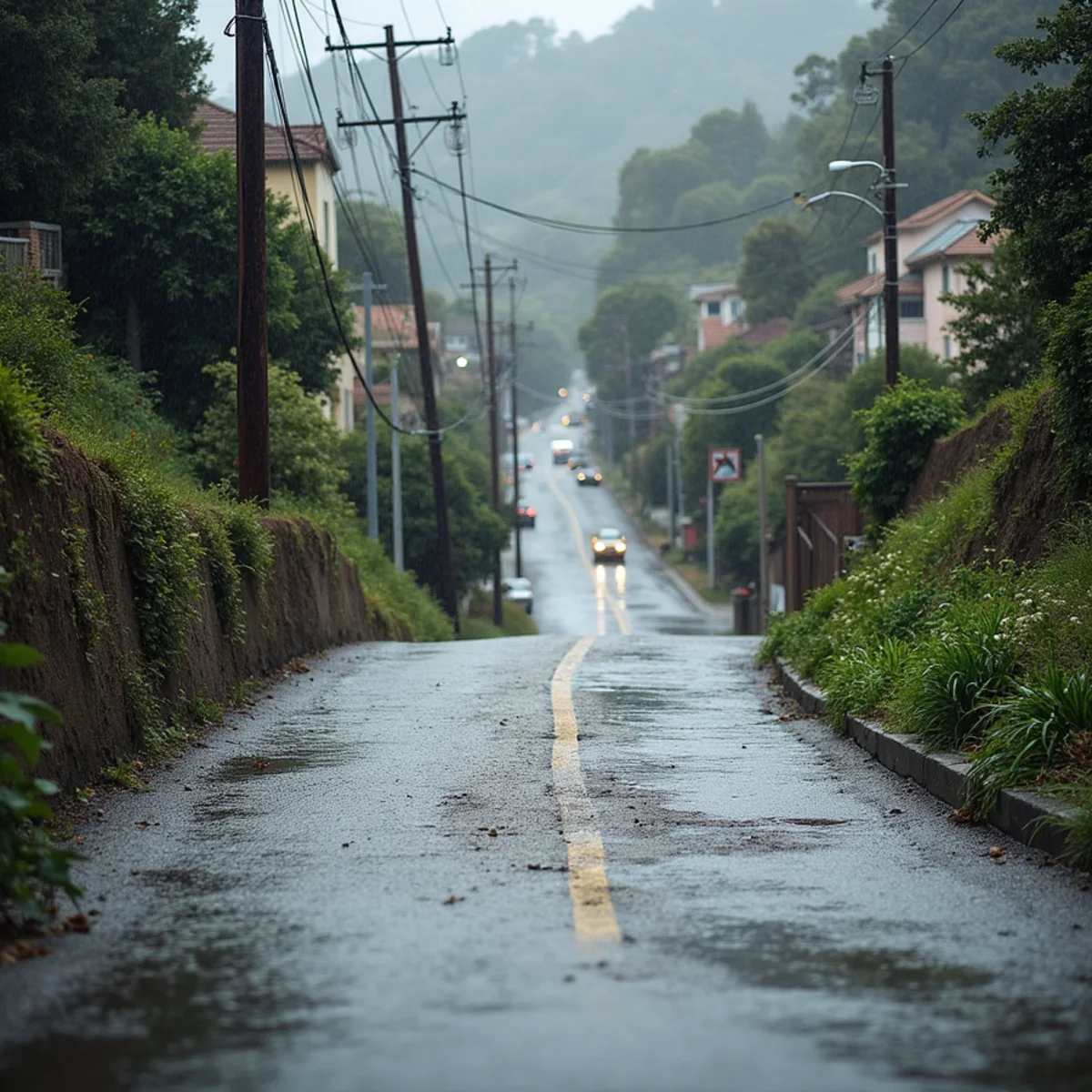
Sump pumps earn their keep in two Oakland situations: flatland homes near Lake Merritt, the Estuary, and the bay, where a high water table pushes groundwater up; and hillside homes with daylight or walk-out basements that take on storm runoff at their low side. If your basement or crawl space has ever had standing water, a working sump pump is a wise investment.
The seasonal maintenance checklist
Run through this before storm season each fall, and again mid-season if you get heavy rain:
- 1Test it. Slowly pour a bucket of water into the sump pit until the float rises. The pump should switch on, pump the water out, and shut off cleanly. If it doesn't, troubleshoot or replace it now.
- 2Check the float and switch. Make sure the float moves freely and isn't jammed against the pit wall — a stuck float is one of the most common failure points.
- 3Clear the pit. Remove debris, gravel, and sediment from the sump pit so it can't clog the intake.
- 4Inspect the discharge line. Confirm water actually flows out and away from the house, that the line isn't clogged or frozen, and that the check valve is working so water doesn't flow back into the pit.
- 5Confirm power. Verify the pump is plugged into a working outlet (ideally a GFCI) and that the cord is in good shape.
Battery backup is not optional
Oakland's biggest storms often knock out power exactly when you need the pump most. A battery backup system keeps your sump pump running through an outage — without it, a power failure during a storm means a flooded basement no matter how good the pump is.
Consider a backup pump and an alarm
For homes that flood easily, redundancy pays off. A secondary backup pump takes over if the primary fails, and a water alarm alerts you the moment the pit rises abnormally — so you learn about a problem from your phone, not from ruined belongings. Smart models can notify you even when you're away.
When to replace
Sump pumps typically last around 7 to 10 years. If yours is near that age, struggles during your test, cycles on and off erratically, or makes unusual noises, replace it proactively before storm season rather than gambling on it lasting one more winter. A new pump is far cheaper than a flooded basement.
If your basement floods anyway
Even a good sump pump can be overwhelmed by an extreme storm or fail at the worst moment. If water gets in, fast extraction and thorough drying is what prevents mold — and below-grade spaces need extended drying because they hold humidity. Our basement flooding restoration service handles exactly this, and we can advise on whether your sump setup needs an upgrade.
When it's time to replace instead of repair
A sump pump gives you warning signs before it quits, if you know what to listen for. Replace it — don't nurse it — if it's near or past the 7-to-10-year mark, if it struggles or fails your bucket test, if it cycles on and off erratically, or if it's started making grinding or rattling noises. A pump that only sometimes works is a pump you can't count on during a storm.
For homes that flood easily, redundancy is worth the money: a secondary backup pump takes over if the primary fails, and a water alarm alerts you the moment the pit rises abnormally. A new pump and a backup cost far less than a single flooded basement, and they buy the one thing you can't get back — reliability at 2 a.m. in a downpour.
Test your pump this fall, and keep our number handy in case a storm still gets the better of it.
Dealing with water damage in Oakland right now?
A local Oakland team answers live — 24/7, 365 days a year. We respond fast, document for insurance, and handle the whole job.
Frequently asked
Test it at least twice a year — before storm season in the fall and again midway through — plus after any long dormant stretch. A quick bucket test takes five minutes and is the best insurance against a surprise failure.
In Oakland, yes. Major storms frequently cause power outages at the exact moment you need the pump, and a pump without backup power is useless during an outage. A battery backup is the most important upgrade you can make.
At least twice a year — before storm season and again mid-winter — plus after any long dry stretch. A five-minute bucket test, pouring water in until the float lifts, is the best insurance against a surprise failure during a storm.
Typically 7 to 10 years. If yours is near that age, struggles during a test, cycles erratically, or makes new noises, replace it proactively before storm season rather than gambling on one more winter.
In Oakland, yes. Big storms routinely knock out power at the exact moment you need the pump, and a pump without backup power is useless in an outage. It's the most important upgrade you can make.
Keep exploring
Related services