Hard Water Damage Prevention: Protecting Appliances in EBMUD's Service Area
IICRC-certified restoration specialists — 15+ years restoring Oakland & East Bay homes.
It's easy to blame water damage on dramatic events — the burst pipe, the winter flood. But a steady share of the appliance failures we see in Oakland trace back to something invisible and gradual: hard water. In EBMUD's service area, the minerals in your water are slowly working against every appliance that uses it, and a little maintenance prevents a lot of leaks.
What hard water actually does
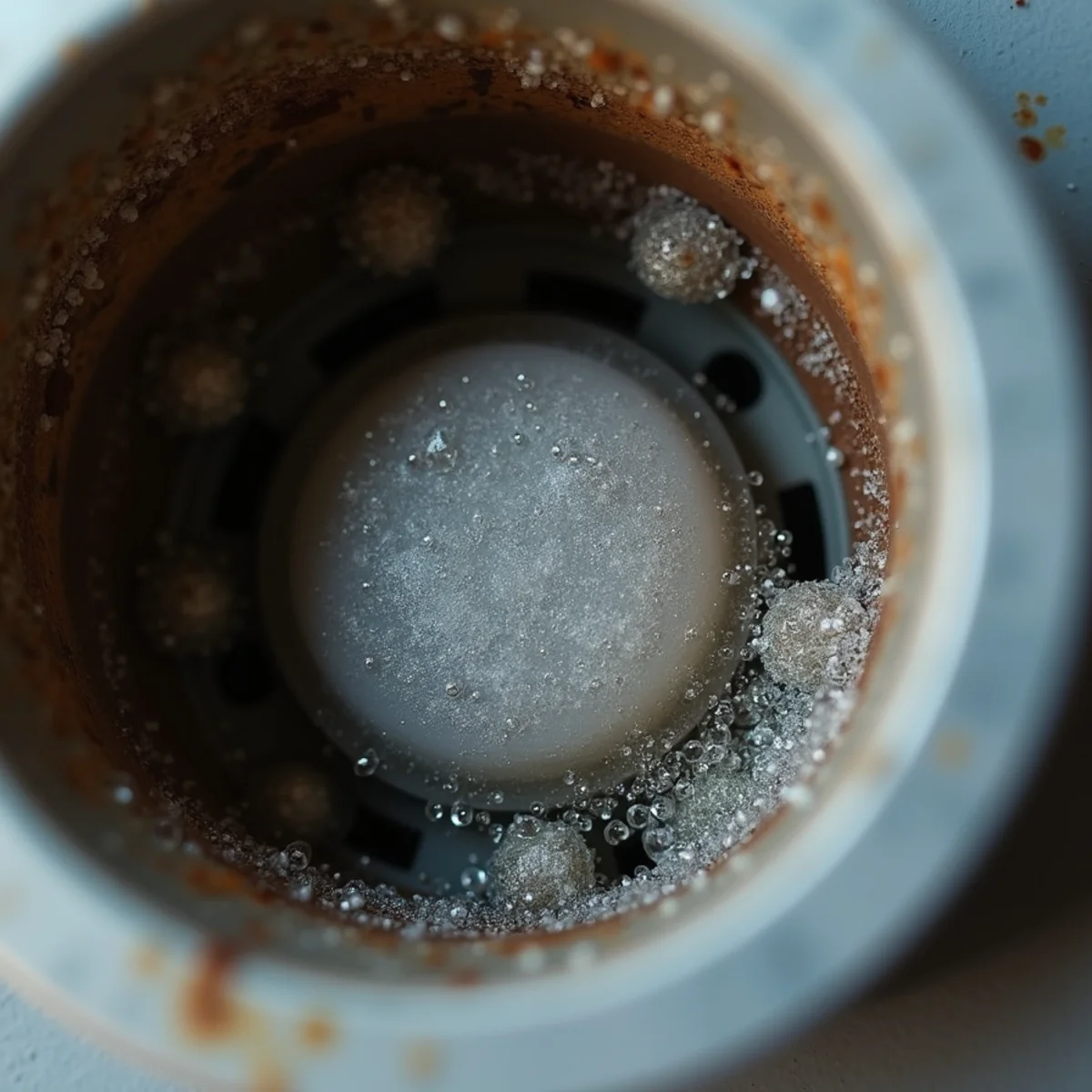
Hard water carries dissolved minerals — mostly calcium and magnesium. Every time that water is heated or sits in an appliance, some of those minerals precipitate out and build up as scale. Over months and years, that scale:
- Coats and insulates water heater elements, making them work harder and corrode faster.
- Collects as sediment at the bottom of the water heater tank, accelerating rust and eventual tank failure.
- Clogs and stiffens valves, seals, and supply lines in dishwashers and washing machines until they leak.
- Narrows fixtures and lines, stressing the whole system.
The end result is appliances that fail earlier — and appliance failures are one of the most common causes of household water damage.
The appliances most at risk
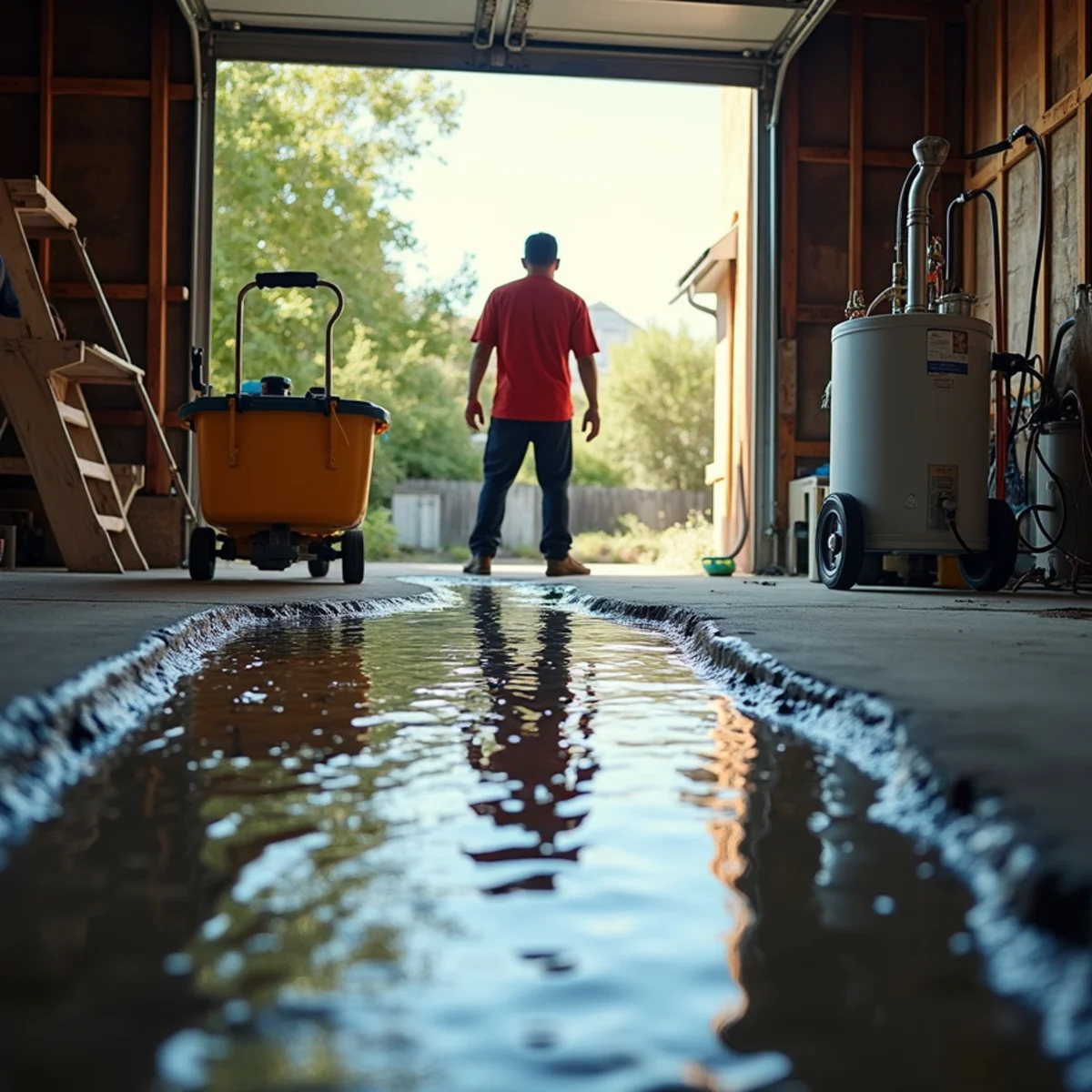
Water heaters top the list. Scale sediment builds in the tank until the unit corrodes through and fails, often dumping its entire 40-plus-gallon contents across a garage or utility room. Dishwashers and washing machines are next — hard water wears their seals and supply connections until they weep or burst. Even refrigerator ice makers and their water lines get gummed up with mineral deposits.
Watch the 10-year mark
A water heater in Oakland's hard-water area that's past 10 years old is on borrowed time. Signs of trouble include rumbling or popping sounds (sediment boiling), rusty hot water, moisture around the base, and reduced hot-water capacity. Replace proactively rather than after a flood.
The maintenance that prevents failures
You can dramatically extend appliance life and cut your leak risk with a few habits:
- Flush your water heater periodically to drain out sediment before it builds up — an annual flush is a good target in hard-water areas.
- Consider a whole-home water softener or a scale-reduction system to cut the mineral load reaching all your appliances.
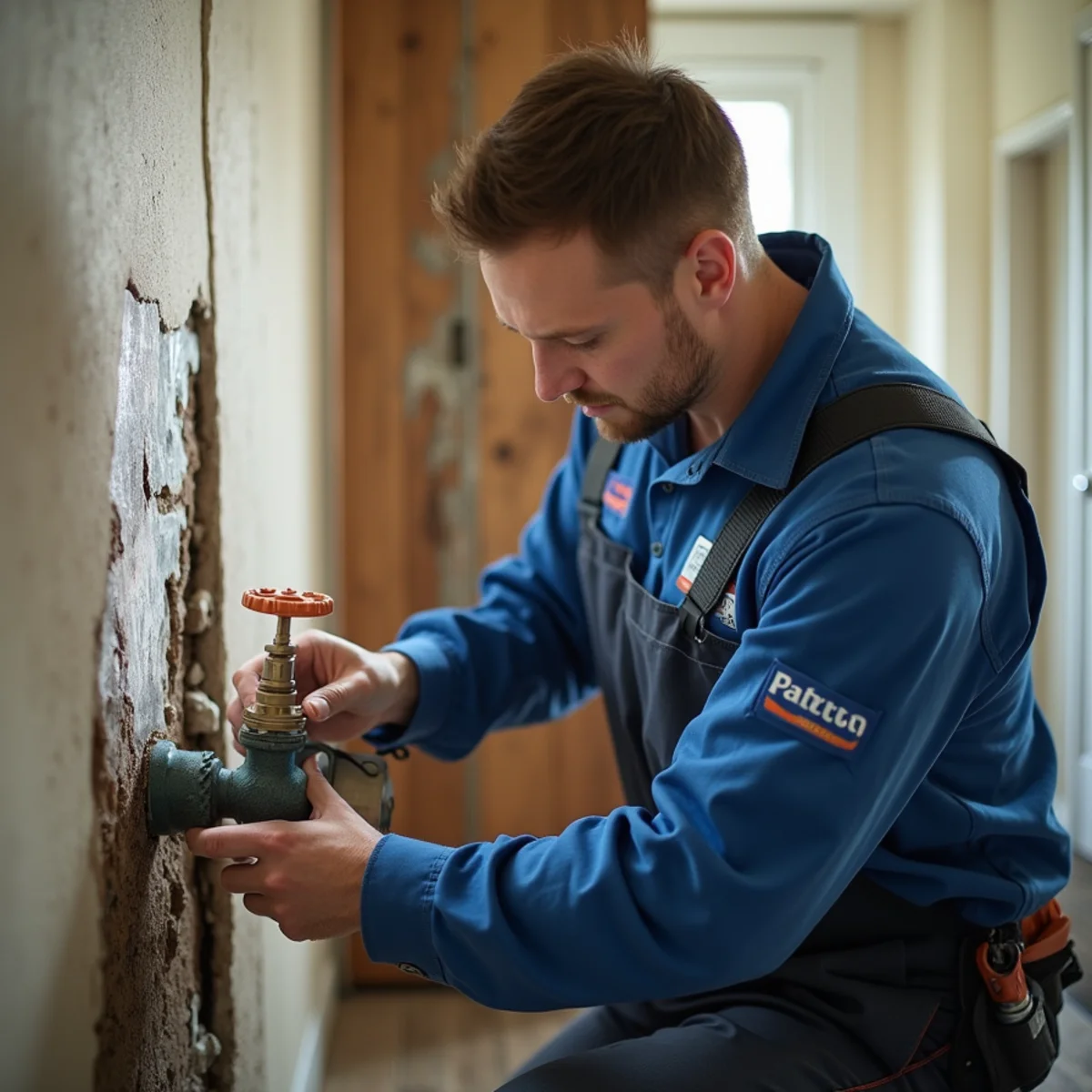
- Replace rubber washing-machine hoses with steel-braided ones and check appliance supply lines yearly.
- Descale dishwashers and coffee makers periodically per the manufacturer's guidance.
- Install a smart leak detector with automatic shutoff near your water heater and laundry — it catches sudden failures before they flood the room.
When an appliance does let go
Appliance leaks have a way of hiding. Water spreads under cabinets, behind the unit, and into the subfloor before you ever see a puddle, so by the time the floor warps, moisture is already where you can't reach it. That's why professional drying targets the enclosed spaces — under cabinets, behind appliances, into the subfloor — that household fans never dry.
A simple hard-water maintenance calendar
Hard water does its damage slowly, so the defense is a little routine maintenance on a schedule. Once a year, flush your water heater to clear the sediment that accelerates corrosion, and descale the dishwasher and any coffee maker per the manufacturer's guidance. Annually, check appliance supply lines and replace rubber washing-machine hoses with steel-braided ones.
Watch water heaters especially closely once they pass ten years — rumbling or popping sounds, rusty hot water, or moisture at the base all say the end is near. For a whole-home fix, a water softener or scale-reduction system cuts the mineral load reaching every appliance at once, extending the life of the whole system.
Our appliance leak and water damage service handles exactly these failures across Oakland, and we're happy to point out the aging supply lines and water heaters worth replacing before they become the next emergency. Call us any time a leak gets away from you.
Dealing with water damage in Oakland right now?
A local Oakland team answers live — 24/7, 365 days a year. We respond fast, document for insurance, and handle the whole job.
Frequently asked
EBMUD water is on the moderately hard side, and over years the mineral scale it deposits is enough to shorten the life of water heaters and appliances noticeably. Regular maintenance and, for some homes, a softener make a real difference.
In short, you shut off power/gas and the cold supply, connect a hose to the drain valve, and drain the tank to clear sediment before refilling. Many owners have a plumber do it during annual maintenance — the key is doing it regularly in a hard-water area.
It's on the moderately hard side, and over years the mineral scale it deposits is enough to shorten the life of water heaters, dishwashers, and valves. Regular maintenance, and for some homes a softener, makes a real difference.
In short: shut off power or gas and the cold supply, connect a hose to the drain valve, and drain the tank to clear sediment before refilling. Many owners have a plumber do it during annual maintenance — the key is doing it regularly in a hard-water area.
It won't stop every failure, but by cutting the mineral load reaching your appliances it slows the scale buildup that wears out seals, valves, and heating elements, which is a leading cause of the slow appliance leaks we see in Oakland.
The water heater. Scale sediment collects in the tank, accelerates corrosion, and eventually leads to a tank failure that empties across the floor. Dishwashers and washing machines are next as hard water wears their seals and supply lines.
Keep exploring
Related services