What to Do Immediately After Water Damage in Your Oakland Home
IICRC-certified restoration specialists — 15+ years restoring Oakland & East Bay homes.
If water is spreading through your Oakland home right now, don't read this whole article first — call for help, then come back while you wait. What you do in the first hour makes a bigger difference than almost anything that happens later. Fast, calm action limits the damage, protects your family, and makes your insurance claim far smoother.
Here's the exact playbook, in order.
1. Stop the water at the source
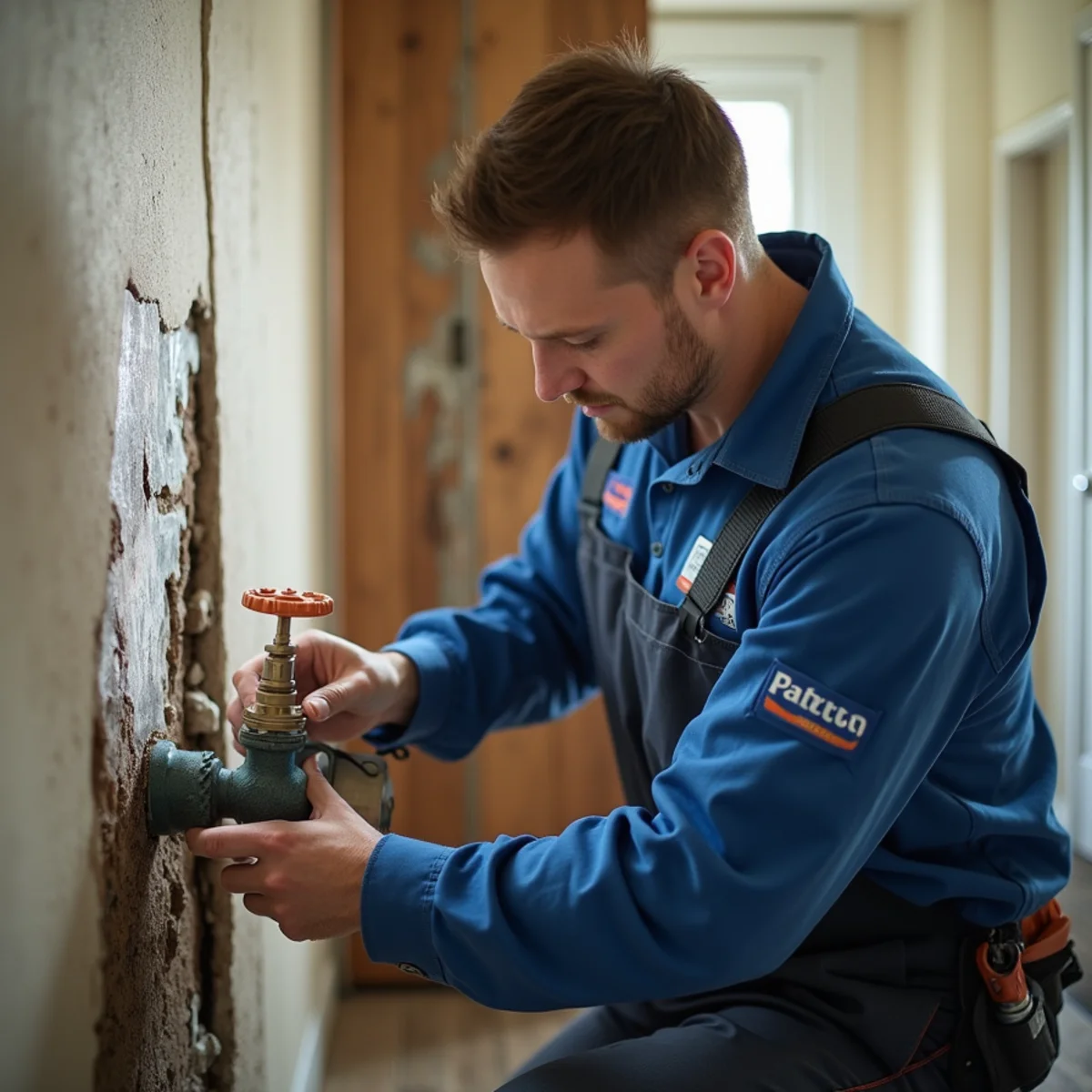
If the water is coming from a pipe, an appliance, or a fixture inside the house, shut off the main water valve. In most Oakland homes it's near the water meter at the street, in the basement, in a crawl space, or under the kitchen sink. Find it now, before you ever need it — and know that in older homes with galvanized plumbing, the shutoff valve itself may be stiff or corroded. Use a wrench if it won't turn by hand, but don't force it to the point of snapping it off.
If the water is coming from outside — storm runoff, a creek, a backed-up drain — you can't shut it off. Move to protecting people and belongings instead.
2. Kill the power to wet areas
Water and electricity are a deadly combination. Before anyone steps into standing water, cut power to the affected areas at the breaker panel. If you can't reach the breaker without walking through the water, stop — wait for professionals. No belonging is worth an electric shock.
Never do this
Don't enter a room with standing water while the power is still on, and don't use a household vacuum to suck up water. Shop vacs and household vacuums aren't built for it and pose a real shock hazard.
3. Document everything before you move it
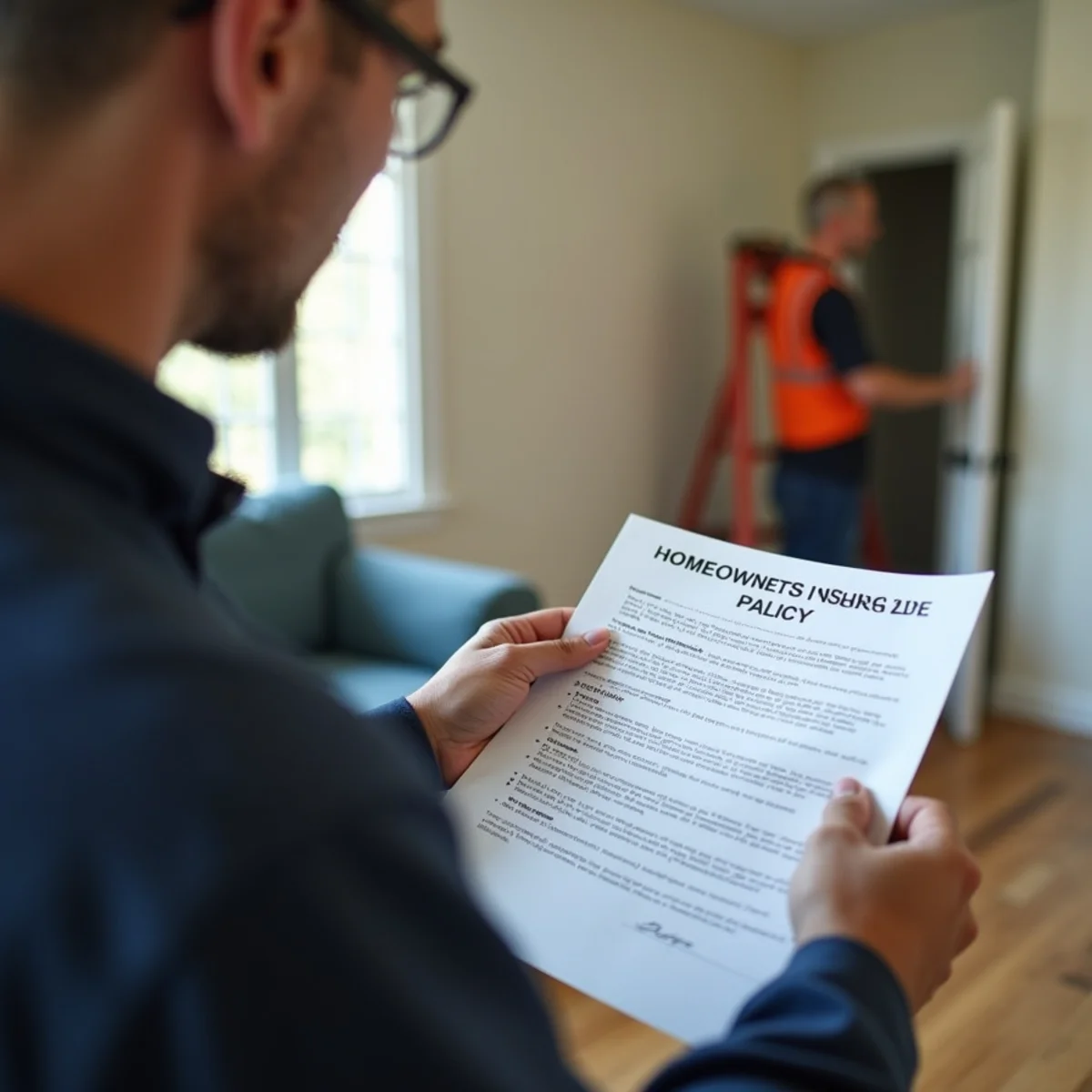
Before you touch a thing, take photos and video of every affected area. Wide shots of each room, close-ups of the water source, and video showing how deep the standing water is. This is the single most valuable thing you can do for your insurance claim — adjusters need visual evidence of the damage to process it accurately, and you can't recreate it once cleanup begins.
Keep any damaged items until your adjuster has documented them. Don't throw anything out yet.
4. Call a local restoration company
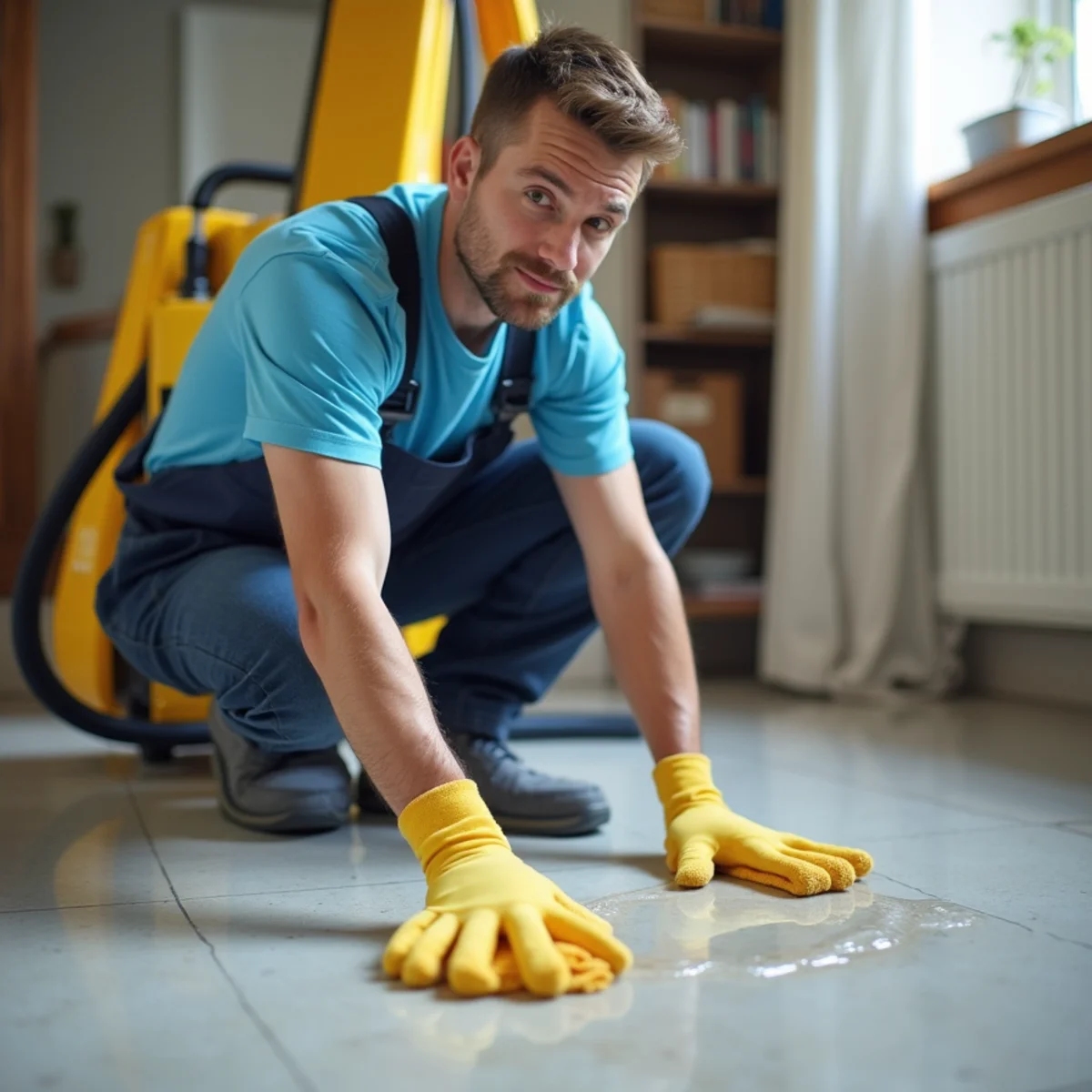
Call a 24/7 restoration team and get a crew dispatched. The clock matters here: mold can begin growing within 24 to 48 hours, and hidden moisture behind walls and under floors keeps doing damage the whole time. A professional crew arrives with truck-mounted extractors that remove hundreds of gallons in minutes — far more than any tool you have at home.
When you call, have your address, the source of the water, whether the power is still on, and your insurance provider ready. A good local company will even walk you through finding your shutoff while the crew is on the way.
5. Start limiting the damage safely
Once the power is off and you've documented everything, you can take a few safe steps while you wait:
- Move small valuables, electronics, and furniture out of the wet area if you can do it safely.
- Lift curtains and cords off the floor and put foil or wood blocks under furniture legs to stop staining.
- Blot up what you can with towels — but don't lift carpet or padding yourself, which can spread contamination and complicate drying.
- Open windows for airflow only if the water is clean; if it's contaminated, keep the HVAC off so you don't spread it through the ducts.
Know the water you're dealing with
Not all water is equal. Clean water from a supply line is Category 1. Gray water from a dishwasher or washing machine is Category 2. Black water from a sewage backup or outdoor flooding is Category 3 and genuinely hazardous. In Oakland, storm and creek flooding and combined-sewer backups are almost always Category 3 — keep your family and pets away from it entirely and let trained, protected crews handle it.
Whatever the source, speed is your ally. The faster the water comes out and drying starts, the less you'll lose.
What to have ready when you call
The faster you can answer a few questions, the faster we can dispatch and start helping over the phone. Before you call — or while it's ringing — try to have these on hand: your address and the fastest way in, the source of the water if you know it, whether the electricity is still on, and the name of your insurance company. None of it is required to get help, but each one shaves time off the response.
If you can, grab a few photos or a short video on your way to the phone. It helps us understand what we're walking into, and it becomes the first evidence in your insurance claim — and the first hour is when that documentation is most valuable.
When you're ready, our team is here 24/7 for emergency water extraction and full water damage restoration across Oakland — call any time, day or night.
Dealing with water damage in Oakland right now?
A local Oakland team answers live — 24/7, 365 days a year. We respond fast, document for insurance, and handle the whole job.
Frequently asked
Mold can begin growing within 24 to 48 hours of water exposure. That's why fast extraction and professional drying matter so much — the goal is to get everything dry before that window closes.
Household fans can't move enough air to dry wall cavities, subfloors, and padding before mold starts, and they do nothing for hidden moisture. Professional drying uses commercial dehumidifiers and monitored moisture readings to dry the structure to the core.
Keep exploring
Related services
Areas we serve