DIY Water Damage Cleanup: What Oakland Homeowners Can (and Can't) Handle
IICRC-certified restoration specialists — 15+ years restoring Oakland & East Bay homes.
Not every drop of water requires a professional crew. A cup of water knocked onto the floor is a towel job, not an emergency. But the line between 'handle it yourself' and 'call for help' isn't always obvious — and getting it wrong can turn a minor incident into a mold problem or a health hazard. Here's the honest breakdown for Oakland homeowners.
What you can usually handle yourself
A small amount of clean water (Category 1) that you catch quickly is often a reasonable DIY job. Think:
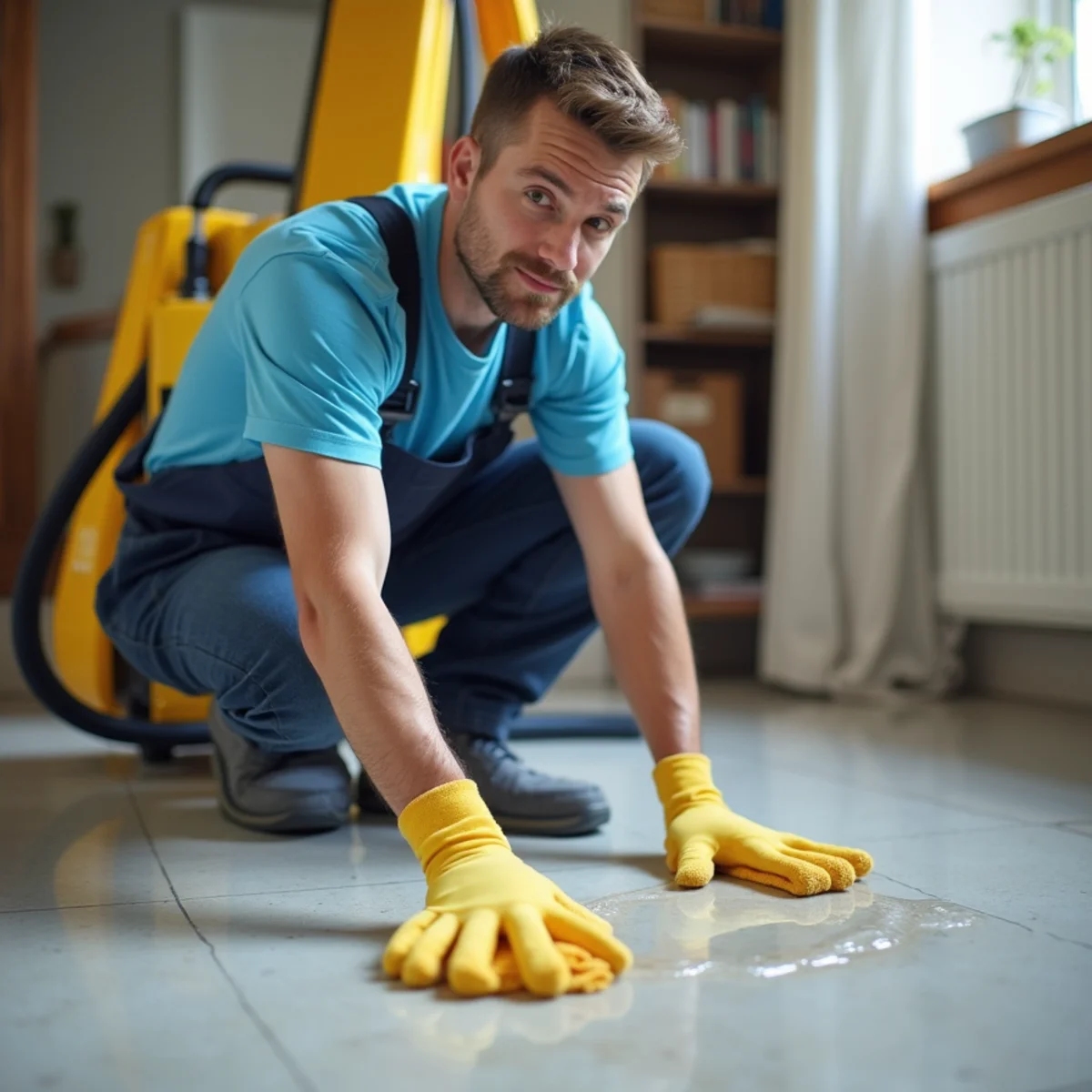
- A small, fresh spill or overflow of clean water on a hard, non-porous floor.
- A minor sink or tub overflow you catch within minutes.
- A little condensation or a small drip you've identified and stopped.
For these, blot up the water, dry the area thoroughly, run a fan and open windows, and keep an eye on the spot for any lingering dampness or smell over the next few days. If it dries clean and stays that way, you're fine.
What you should never DIY
Some situations are genuinely hazardous or beyond what home tools can address. Call a professional — don't try to handle these yourself:
- Any sewage backup or Category 3 black water. This is the big one in Oakland, where combined-sewer backups are common. Sewage carries pathogens that cause serious illness, and it can't just be wiped up — affected porous materials must be removed and everything disinfected.
- Flooding from outside — storms, creeks, storm drains. Floodwater is contaminated and often more extensive than it looks.
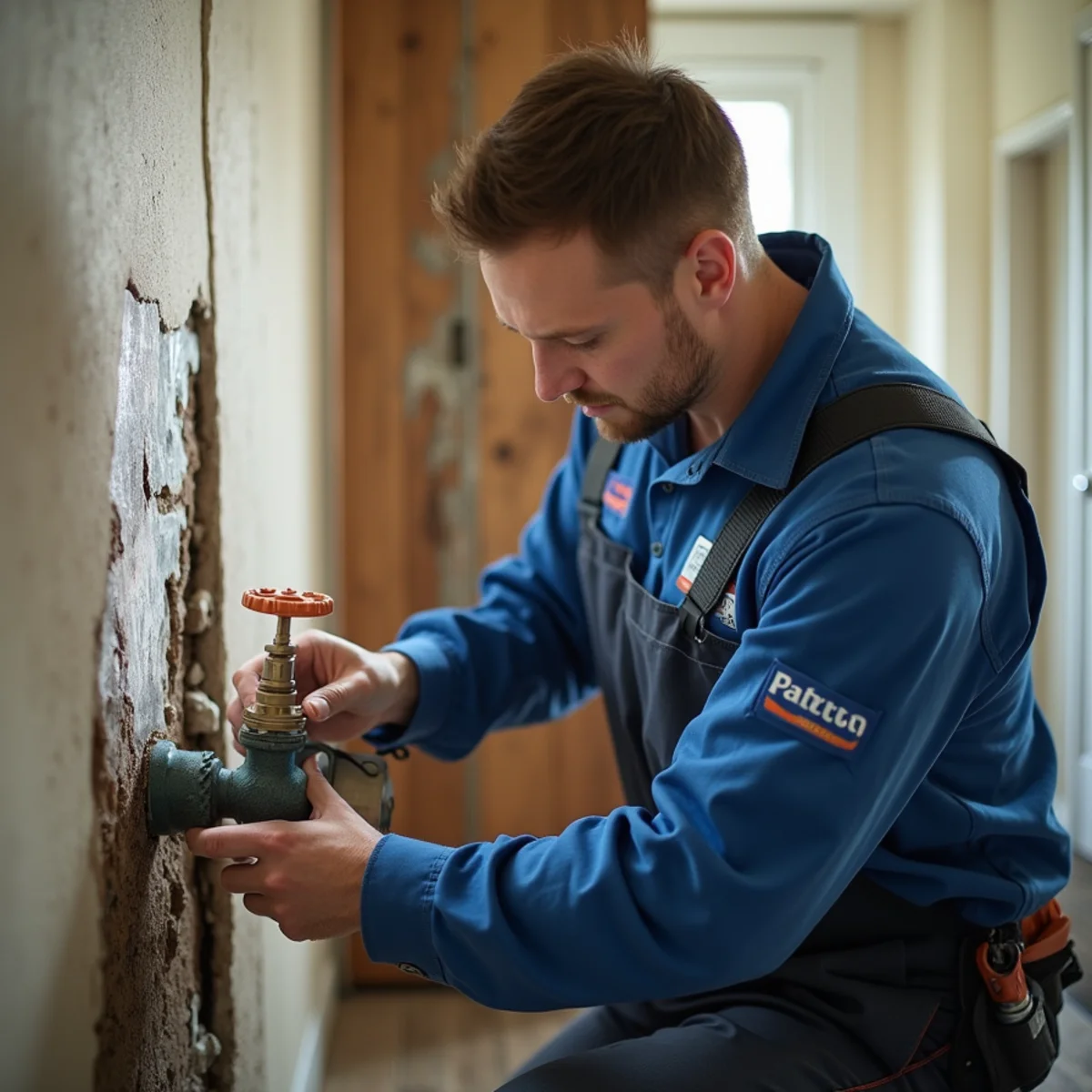
- Water that's soaked into walls, under flooring, or into a subfloor. If the pad is wet or the drywall is holding water, household tools can't dry it before mold starts.
- Any water near electrical outlets, panels, or standing water with the power on.
- A large volume of water, or water that's been sitting for more than a day or two.
The 24-to-48-hour rule
Mold can begin growing within 24 to 48 hours of water exposure. If water has soaked into porous materials and you can't get them genuinely dry — not just dry on the surface — within that window, it's a job for professional drying equipment.
Why the pad and subfloor change everything
Here's the trap that catches well-meaning DIYers: the surface dries, so it looks solved, but the water underneath doesn't. Carpet padding acts like a sponge, and subfloor holds moisture where no household fan can reach it. A shop vac removes standing water but leaves the materials saturated. Days later, the musty smell shows up, and now there's mold in a wall cavity or under the floor. Professional extraction and monitored drying exists precisely because surface-drying isn't enough.
The tools professionals bring that you don't have
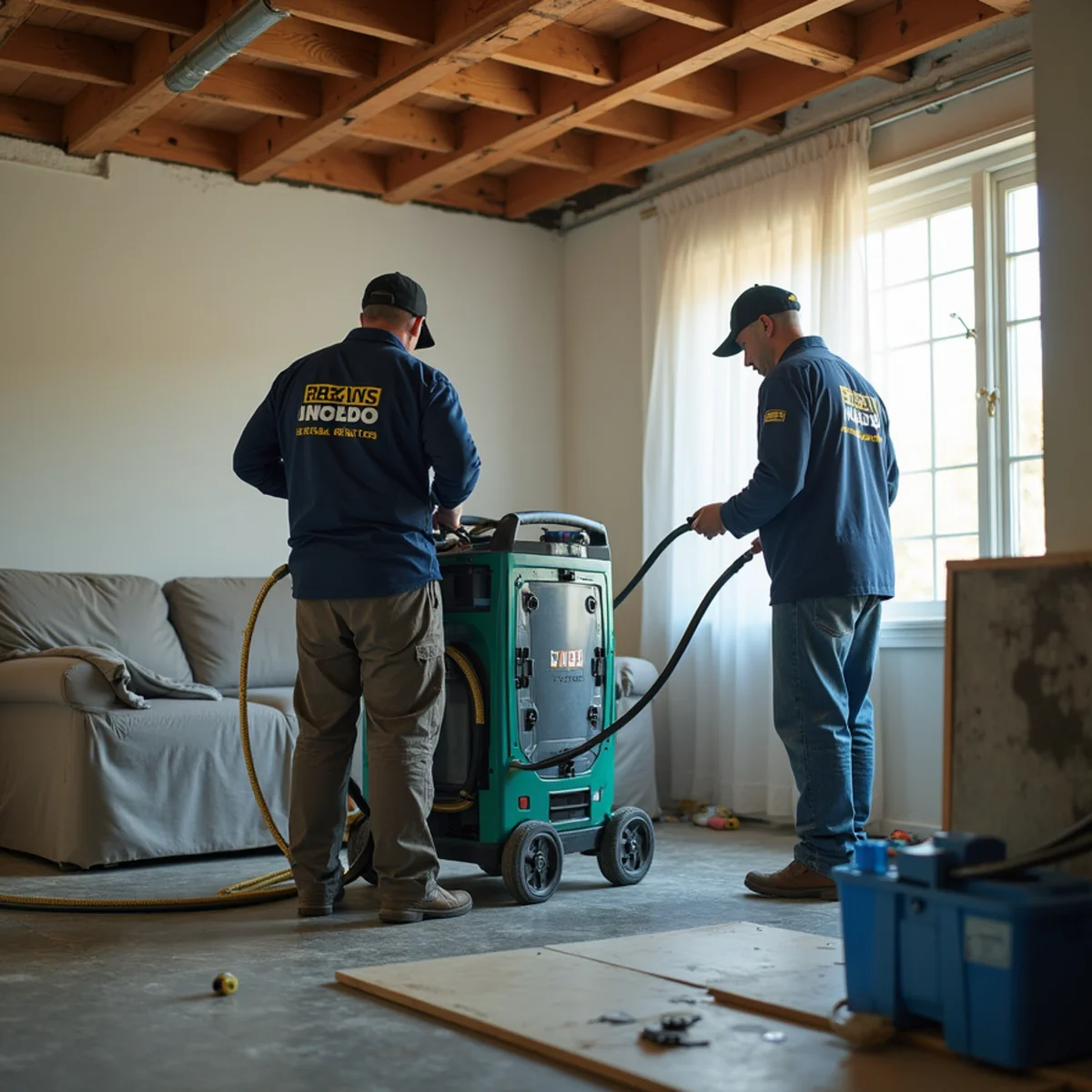
It's not just labor — it's equipment. A restoration crew arrives with truck-mounted extractors that pull out hundreds of gallons, commercial LGR dehumidifiers and air movers that dry the structure to the core, and moisture meters and thermal cameras that verify the hidden areas are actually dry before closing up. That's a different category of capability than a wet vac and box fans.
When in doubt, get an inspection
If you're not sure which side of the line your situation falls on, a professional inspection is worth it — better to confirm it's minor than to discover a hidden problem months later. Our team can assess the damage, check for hidden moisture, and tell you honestly whether it's a DIY job or something we should handle. If it's minor, we'll say so.
The tools that separate a dry-out from a mold problem
The reason professional drying works where a shop vac and box fans don't comes down to equipment. A restoration crew arrives with truck-mounted extractors that pull hundreds of gallons, commercial LGR dehumidifiers and high-velocity air movers that dry the structure to the core, and moisture meters and thermal cameras that confirm the hidden areas are actually dry before anything is closed up.
That last part is the difference-maker. A homeowner can get a surface looking and feeling dry while the pad, subfloor, or wall cavity underneath is still saturated — and in a few days, that hidden moisture becomes mold. Monitored, verified drying exists precisely because dry to the touch and dry to the meter are two very different things.
For anything involving sewage, flooding, or water that's soaked in, call us any time — those are exactly the jobs where fast professional response saves you the most.
Dealing with water damage in Oakland right now?
A local Oakland team answers live — 24/7, 365 days a year. We respond fast, document for insurance, and handle the whole job.
Frequently asked
A wet/dry shop vac can handle a small amount of clean standing water on a hard surface, but never use a regular household vacuum on water. And remember that even a shop vac only removes surface water — it doesn't dry saturated carpet pad, drywall, or subfloor.
Even clean water becomes a problem if it soaks into porous materials and can't be dried within a day or two, and clean water sitting more than 48 hours can degrade toward contaminated. If it's soaked in or been sitting, professional drying prevents the hidden mold you can't see coming.
Clean water comes from a supply line or a fresh appliance overflow; gray water from a dishwasher or washing machine; black water is sewage or anything from outside, storm and creek flooding included. In Oakland, treat any backup or outdoor water as contaminated and leave it to a professional.
If it was clean water, you caught it fast, and there's no lingering damp or musty smell after a few days, you're probably fine. If it soaked into a wall base, under flooring, or into a cabinet, a quick moisture check is cheap insurance against hidden mold.