How Long Does Water Damage Restoration Take? An Oakland Homeowner's Timeline
IICRC-certified restoration specialists — 15+ years restoring Oakland & East Bay homes.
After the initial shock of water damage, the question every homeowner asks is simple: how long until my home is back to normal? The honest answer is that it depends on the severity — but the process follows a predictable arc, and knowing the phases helps you plan. Here's a realistic timeline for a typical Oakland home.
The short version
For most losses, structural drying takes 3 to 5 days, and the full process including repairs runs about 1 to 2 weeks. A minor, contained leak can wrap up faster; a major loss with hardwood, plaster, or a flooded basement takes longer. You'll get a specific timeline after the inspection, once the crew knows exactly what they're dealing with.
Phase by phase
Emergency response & extraction — Day 1 (hours)
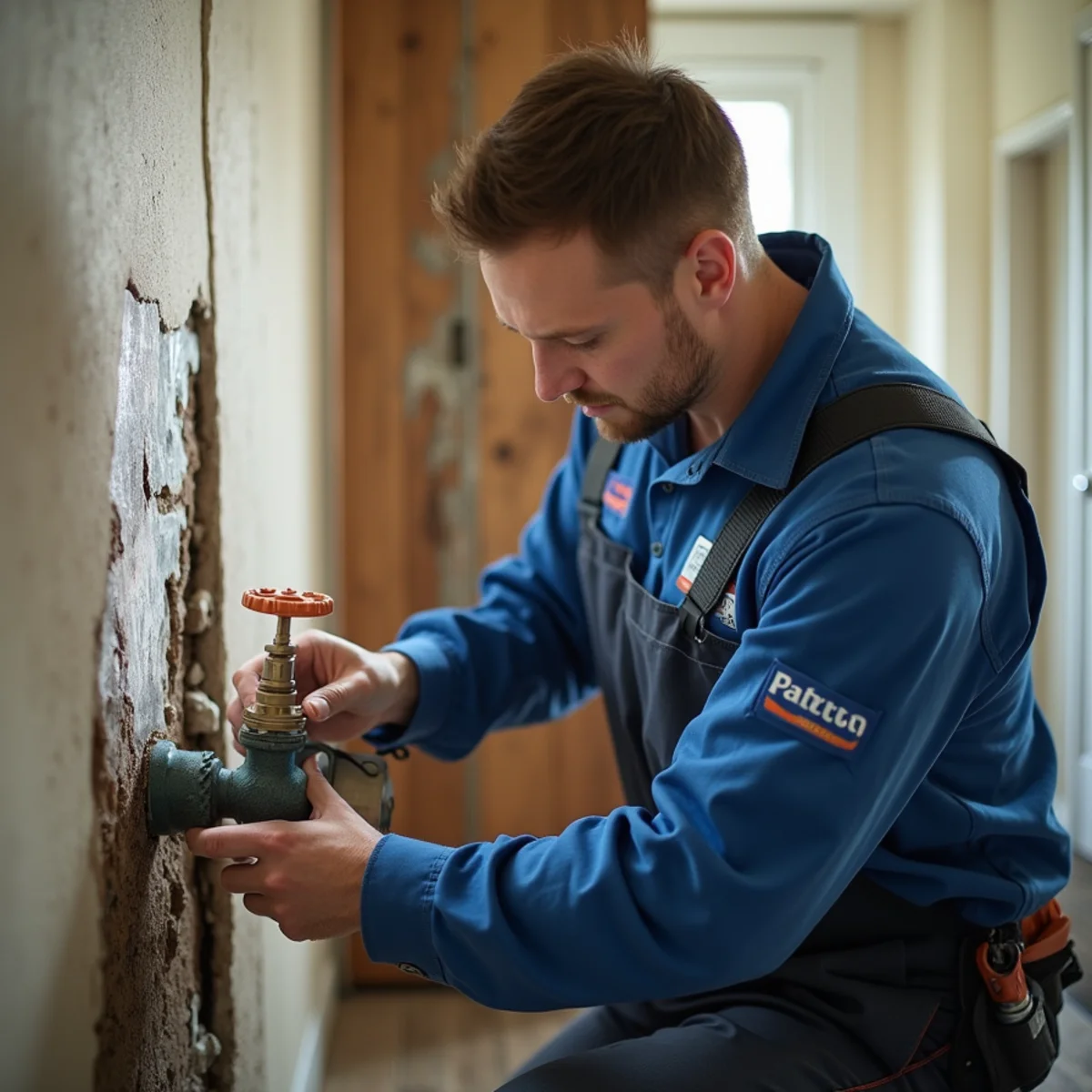
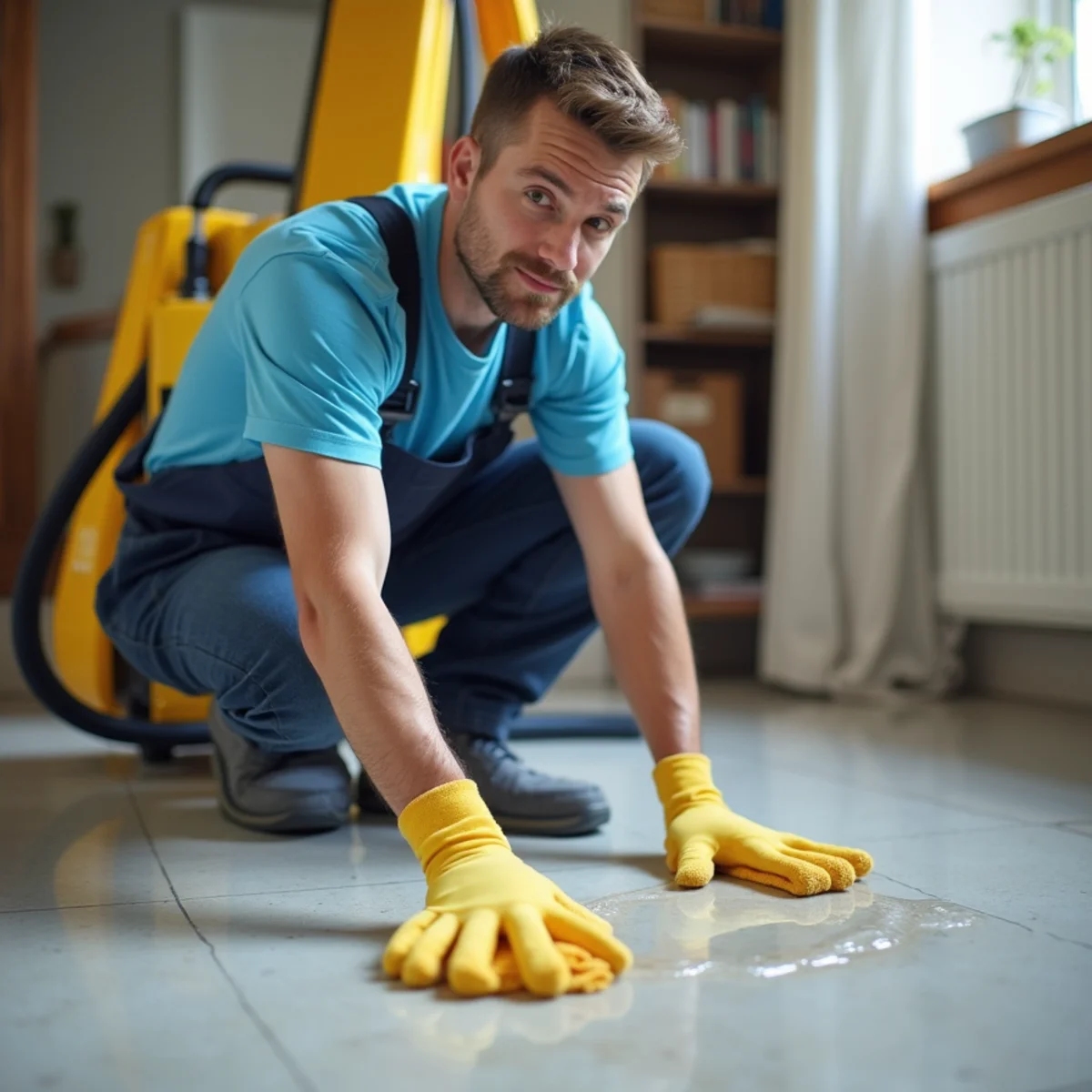
The crew arrives, confirms safety, stops or confirms the water source is off, and extracts standing water the same visit. This is the fast, urgent part, and it's the part that most limits the total damage. Getting water out within hours rather than days is what protects your subfloor, framing, and belongings.
Inspection & drying setup — Day 1
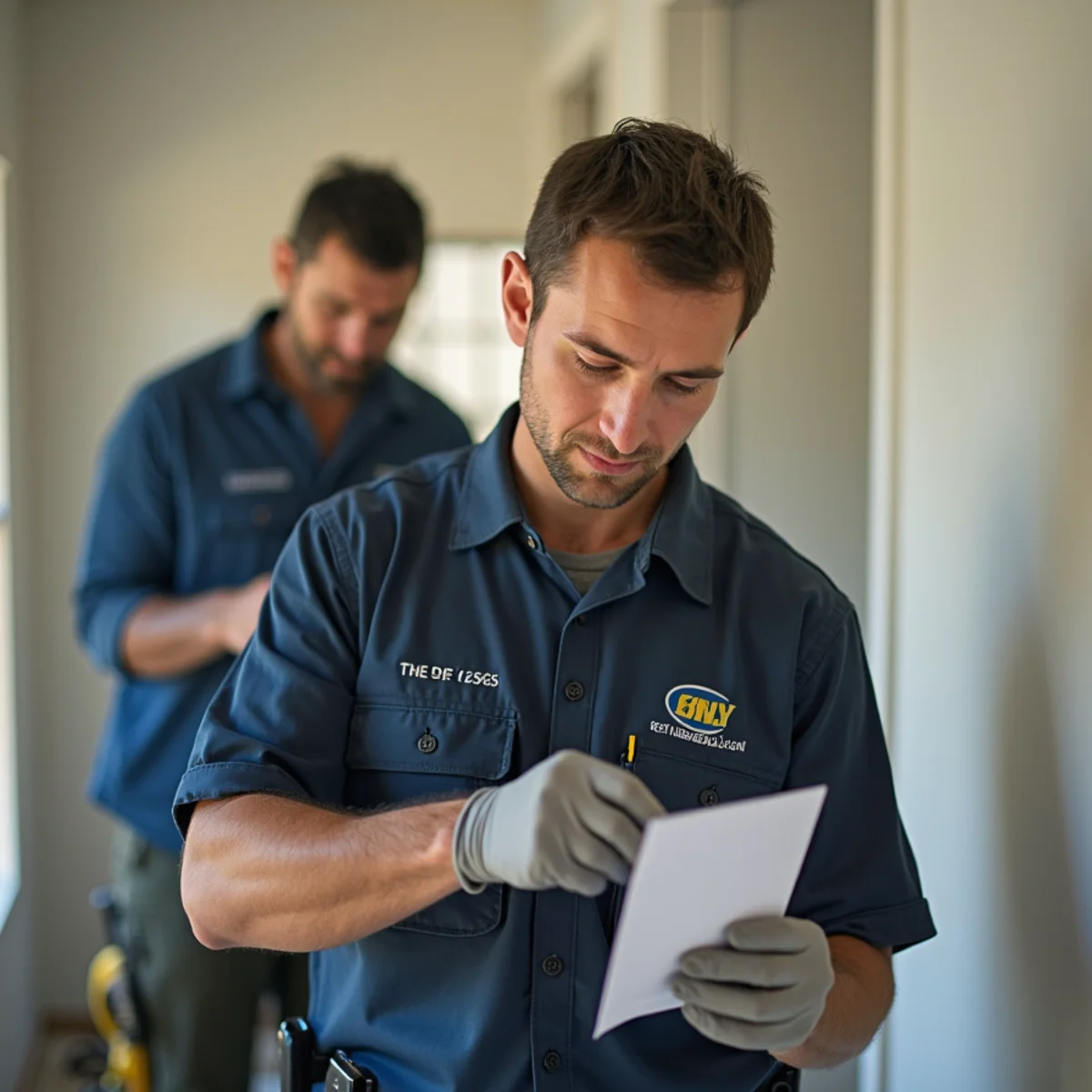
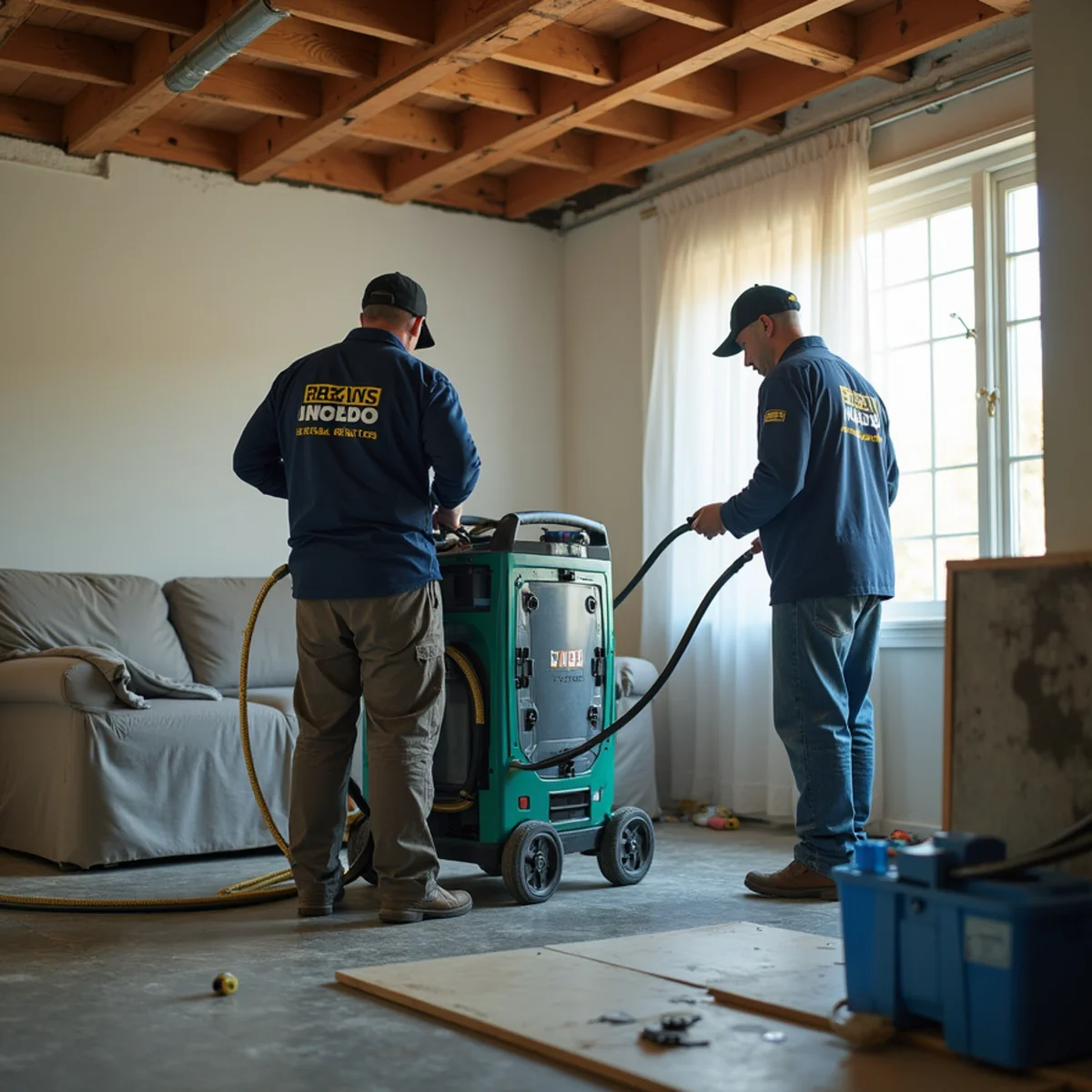
Technicians map the moisture with meters and thermal imaging, classify the damage by category and class, provide a written estimate, and place drying equipment — LGR dehumidifiers and air movers — positioned to dry the structure, including hidden wall and floor cavities.
Structural drying — Days 2 to 5 (or more)
This is the phase you can't rush. Equipment runs continuously while technicians return daily to check moisture readings and reposition it until the structure is dry to the core. Class 1 and 2 losses often dry in 3 to 5 days. Dense materials — hardwood, plaster, concrete — hold moisture longer and can push drying past a week.
Why drying can't be rushed
Closing up walls before the structure is genuinely dry — dry to the meter, not just to the touch — is how you end up with mold behind fresh paint. Proper drying is verified with moisture readings, and that verification is what protects you from a repeat problem.
Cleaning & sanitizing — overlaps with drying
Affected surfaces are cleaned and, for gray or black water, treated with antimicrobial products. HEPA air scrubbers run to control odor and airborne particles. For a sewage or flood loss, this phase is more involved than for a clean-water leak.
Repairs & reconstruction — Days 6 to 14 (varies widely)
Once everything is dry, the rebuild begins: drywall, flooring, trim, paint, and any structural repairs. This is the phase with the most variation — replacing a small section of drywall is quick, while restoring a flooded basement with hardwood, or matching the plaster and hand-textured ceilings of an older Oakland home, takes longer and more care.
Final inspection — the last day
A final walkthrough confirms moisture readings are normal, all repairs are complete, and you have the documentation for your records and insurance claim.
What makes a job faster or slower
- Water category — clean water is quicker than contaminated water requiring decontamination.
- How fast mitigation started — water caught in hours dries faster and does less damage than water that sat for days.
- Materials involved — drywall and carpet dry faster than hardwood, plaster, and concrete.
- The size of the affected area and the extent of the rebuild.
- In Oakland's older homes, matching original materials and finishes adds care and time to the repair phase.
The takeaway
What can slow a restoration down
Most delays trace back to a handful of factors, and knowing them helps set expectations. Contaminated water adds a decontamination step; dense materials like hardwood, plaster, and concrete release moisture slowly and can push drying past a week; and a large or multi-room loss simply takes longer to dry and rebuild than a contained one.
Two more are worth naming. Water that sat for days before mitigation started does more damage and takes longer to reverse, which is why fast response shortens everything downstream. And in Oakland's older homes, matching original plaster textures, vintage tile, or historic trim adds care, and time, to the repair phase that a modern drywall-and-carpet room wouldn't need.
Plan for roughly 1 to 2 weeks for a typical loss, understand that drying is the phase that sets the pace, and know that the fastest way to a shorter timeline is calling for help early — the sooner extraction and drying start, the less there is to repair. Our team gives you a clear, specific timeline after inspecting your Oakland home, and we keep you updated at every phase.
Dealing with water damage in Oakland right now?
A local Oakland team answers live — 24/7, 365 days a year. We respond fast, document for insurance, and handle the whole job.
Frequently asked
Not safely. Drying takes as long as the materials take to reach normal moisture levels, verified by meter. Rushing it risks sealing in moisture and causing mold. The best way to shorten the overall timeline is to start extraction and drying as early as possible.
Often yes for a contained clean-water loss — you can usually stay in unaffected areas. For sewage, extensive damage, or a job that shuts off key areas, temporary relocation may be needed. Your crew will advise based on your specific situation.
Square footage and the number of affected rooms matter, but the bigger driver is what got wet. A large room of drywall and carpet can dry faster than a small room with saturated hardwood or plaster, because dense materials hold moisture far longer.
Pre-1940 homes here are full of plaster and hardwood rather than modern drywall and carpet, and those materials release moisture slowly. We often run equipment a day or two longer on historic Rockridge and Temescal homes, and we verify with a meter before closing anything up.
Keep exploring
Related services
Areas we serve