How Much Does Water Damage Restoration Cost in Oakland?
IICRC-certified restoration specialists — 15+ years restoring Oakland & East Bay homes.

It's the first question almost everyone asks, and it's the hardest one to answer honestly before anyone has seen the damage: what will this cost? Water damage isn't a fixed-price service like a furnace tune-up. Two homes on the same Oakland street with what looks like the same leak can have bills that differ by thousands, because what you pay is driven by what got wet, how long it stayed wet, and how far the water spread out of sight.
This guide walks through the real cost drivers so you can read any estimate with confidence — and spot a lowball quote that will cost you more later.
The four things that move the price most
Most of the variation in a water damage bill comes down to four factors. Everything else is detail.
1. The category of water
Clean water from a supply line (Category 1) is the cheapest to deal with. Gray water from a dishwasher or washing machine (Category 2) needs sanitizing. Black water from a sewage backup or outdoor flooding (Category 3) is hazardous — it requires protective equipment, antimicrobial treatment, and usually the removal and disposal of porous materials it touched. In Oakland, combined-sewer backups and creek flooding are almost always Category 3, and that category alone can double or triple the cost of an otherwise similar loss.
2. How much area is affected — and what it's made of
A single wet room costs less than water that has wicked into three. But square footage matters less than material. Modern drywall and synthetic carpet dry relatively fast. The dense plaster, lath, and old-growth hardwood common in pre-1940 Oakland homes hold moisture far longer, need more drying days, and sometimes can't be saved. A small room of saturated hardwood can cost more to restore than a large room of drywall.
3. How long the water sat
This is the factor you control. Water that's extracted within hours is a drying job. Water that sat for two days is a mold job, a demolition job, and a drying job. Mold can begin within 24 to 48 hours, and once it's in wall cavities the scope jumps from 'dry it out' to 'open it up, remediate, and rebuild.' Calling fast is the single biggest thing you can do to keep the number down.
4. Whether there's structural or hidden damage
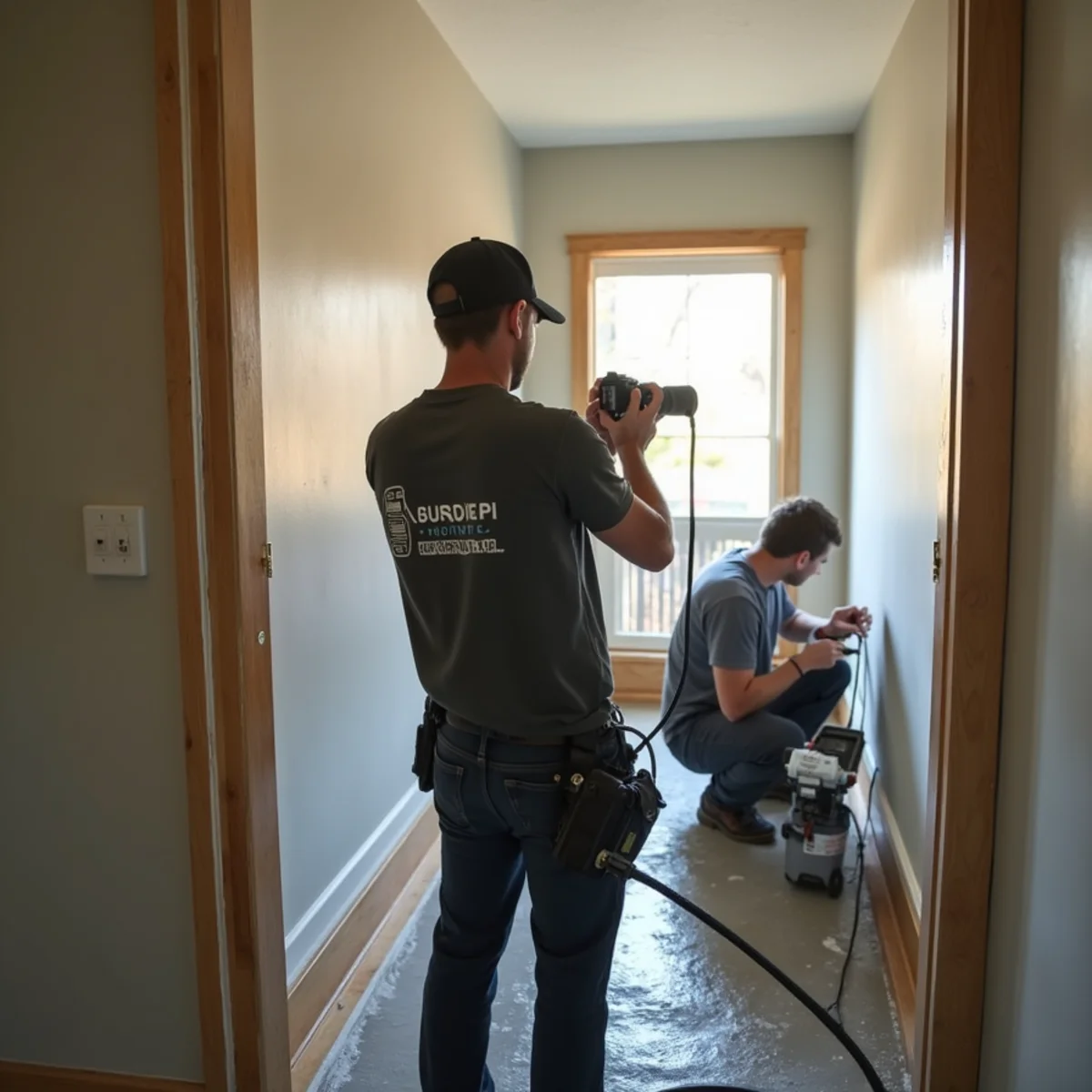
Surface water is cheap compared to water that reached the subfloor, the framing, or the ceiling below. Hidden moisture behind walls and under floors is where small losses quietly become large ones — which is why a proper assessment uses moisture meters and thermal imaging rather than just looking.
What a typical job actually includes
When you compare quotes, make sure they cover the same scope. A complete restoration generally includes:
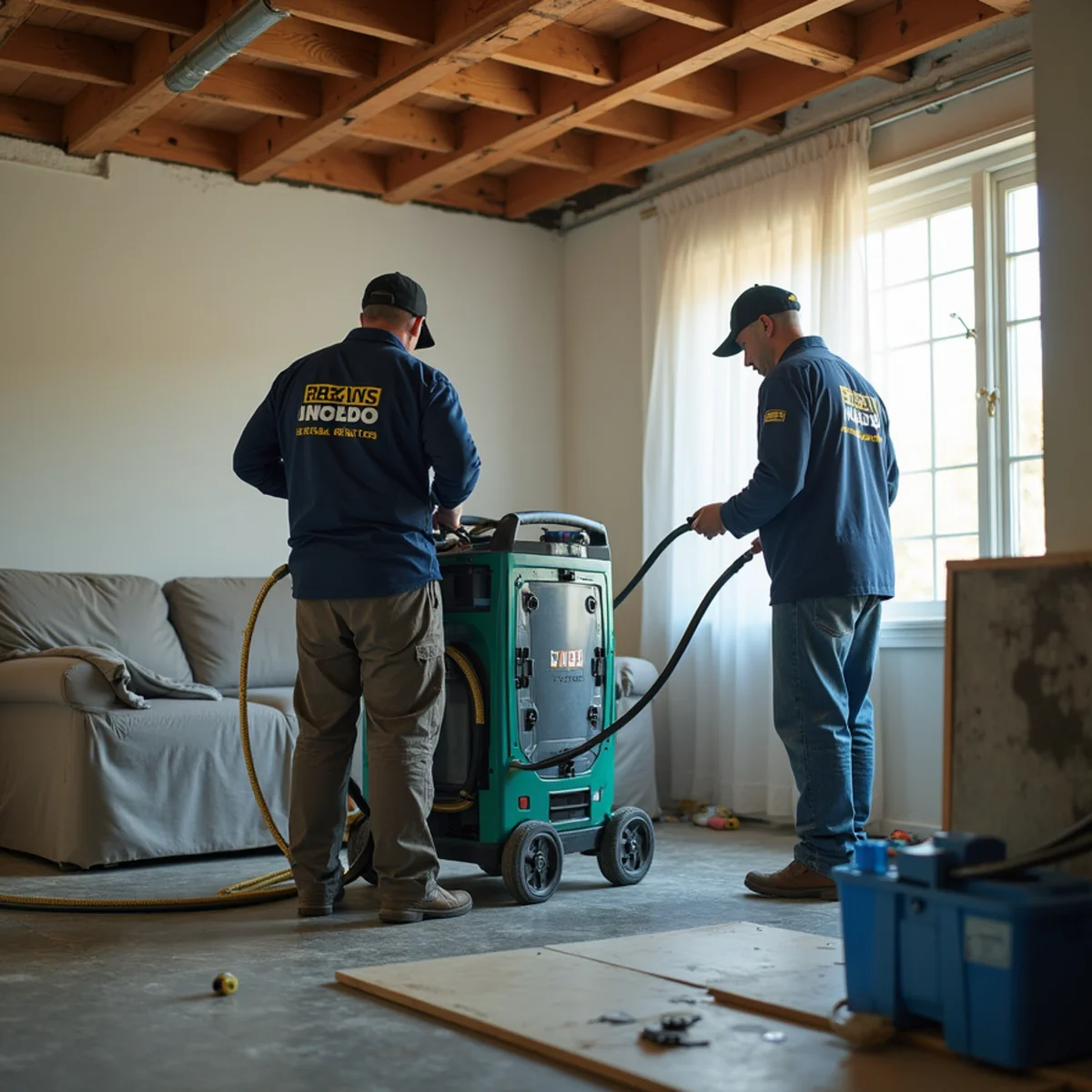
- Emergency extraction of standing water with truck-mounted equipment
- Removing unsalvageable materials (soaked carpet pad, swollen baseboards, contaminated drywall)
- Structural drying with commercial dehumidifiers and air movers, usually over three to five days
- Daily moisture monitoring until materials reach verified dry readings
- Antimicrobial treatment where the water was contaminated
- Mold remediation if growth has already started
- Reconstruction — drywall, paint, flooring, trim — to put the home back together
Why the cheapest quote is often the most expensive
A quote far below the others usually skips drying days or verification. Materials that feel dry on the surface but aren't will grow mold inside the wall weeks later — and the second job, plus the mold remediation, costs more than doing it right once.
Rough ranges — and why your number will differ
As a very general guide: a small, clean-water cleanup caught early might land in the mid-hundreds to low thousands of dollars. A multi-room loss, a sewage backup, or a job that needs demolition and rebuild can reach well into five figures. Those ranges are wide on purpose — anyone who gives you a precise figure without seeing the damage is guessing. A real estimate comes from an on-site assessment where someone measures the moisture, identifies the water category, and maps how far it spread.
How insurance changes what you pay
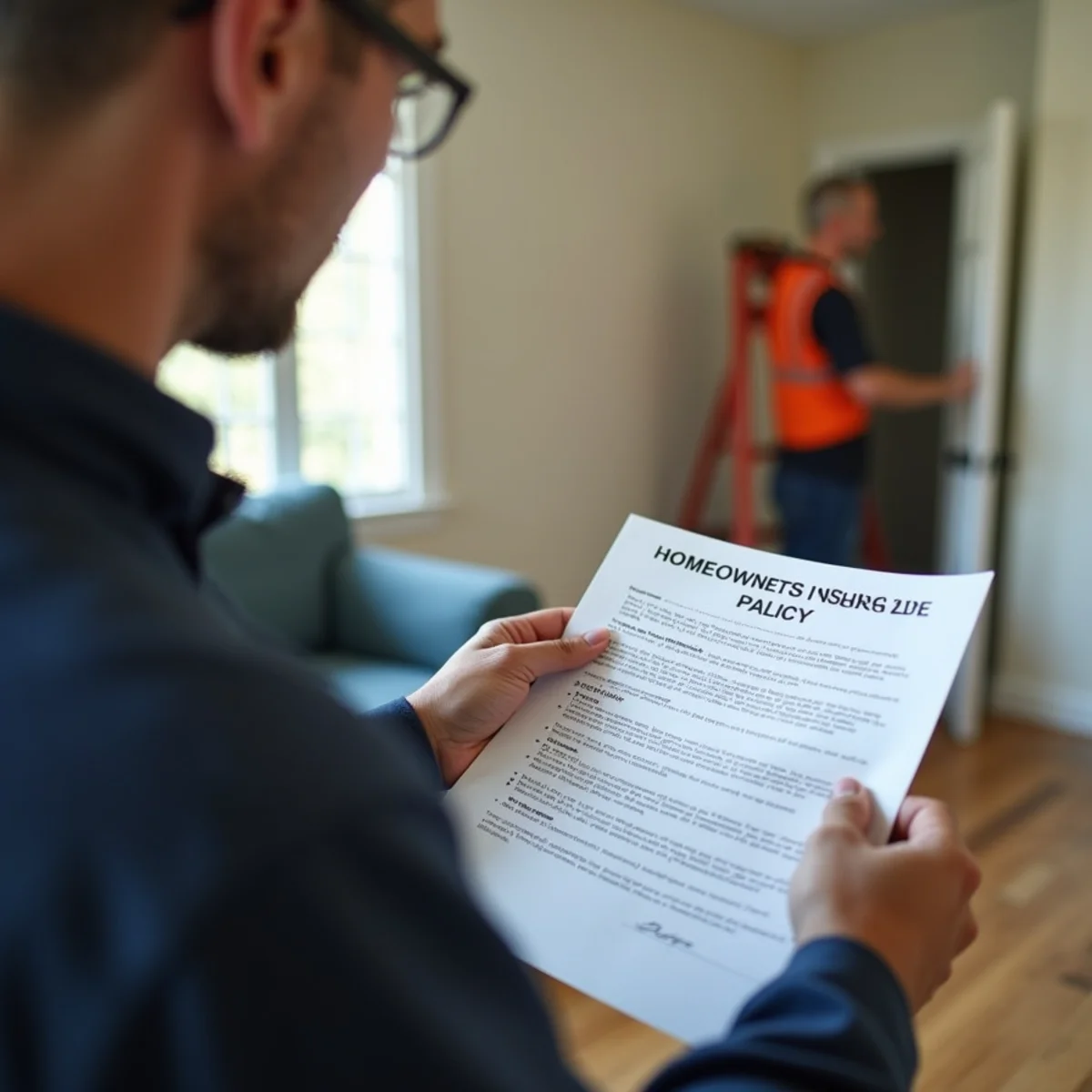
For most Oakland homeowners, the number that matters isn't the total bill — it's the out-of-pocket amount after insurance. A standard homeowners policy typically covers sudden, accidental water damage (a burst pipe, a failed water heater), which means you often pay only your deductible while the policy covers the rest. Gradual damage from long-term leaks, and most outdoor flooding, are usually excluded — flooding needs separate flood coverage. We bill insurance directly on covered claims, so you aren't fronting the full amount and waiting to be reimbursed. Our guide to whether homeowners insurance covers water damage and the step-by-step claim process cover this in detail.
The practical takeaway: don't let a worst-case total scare you out of calling. Find out what's covered first — the fast, documented response that limits damage is also what protects the claim.
Getting an accurate number for your home
The honest path to a real price is a free on-site assessment. A local crew can walk your home, take moisture readings, identify the water category, and give you a written scope and estimate — often the same day. If it's an active emergency, extraction starts immediately and the estimate follows; stopping the damage always comes first.
Dealing with water damage in Oakland right now?
A local Oakland team answers live — 24/7, 365 days a year. We respond fast, document for insurance, and handle the whole job.
Frequently asked
Not an accurate one, and you should be cautious of anyone who does. A real estimate needs an on-site look at the water category, how far it spread, and what materials are affected. We can give a free assessment — usually same day — and start emergency extraction right away if it's urgent.
Usually, if the damage was sudden and accidental — a burst pipe, an overflowing appliance, a failed water heater. You typically pay your deductible and the policy covers the rest. Gradual leaks and outdoor flooding are generally excluded. We bill covered claims directly so you're not fronting the full amount.
Category 3 water is hazardous. It requires protective equipment, antimicrobial treatment, and removal of porous materials it contaminated rather than just drying them. In Oakland, combined-sewer backups and creek flooding fall into this category, which raises the scope and cost.
Significantly. Fast extraction keeps a loss in the 'drying' stage. Water left for 24 to 48 hours turns into a mold and demolition job, which costs far more. Speed is the main cost lever you actually control.
Keep exploring
Areas we serve