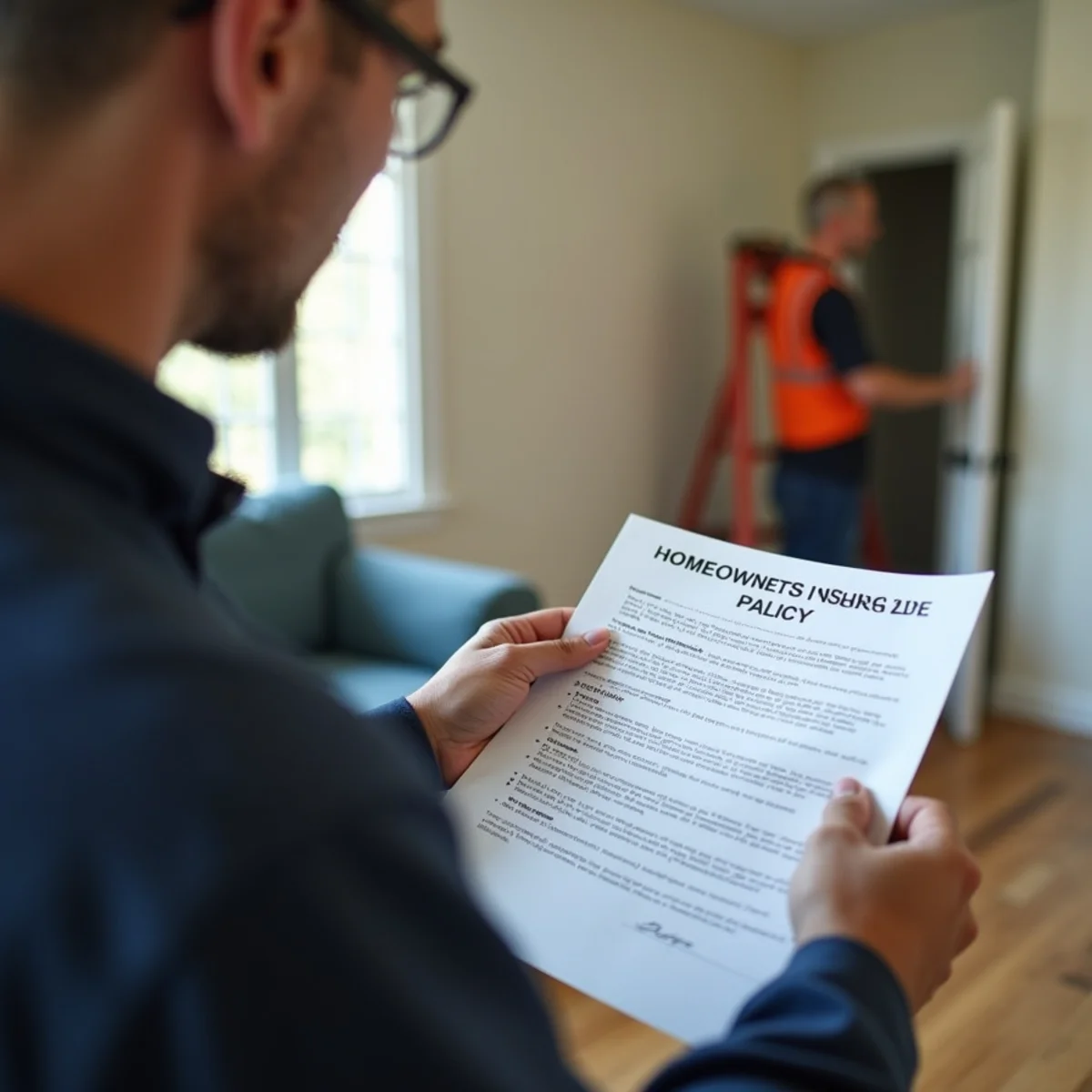
How to File a Water Damage Insurance Claim in Oakland (Step by Step)
IICRC-certified restoration specialists — 15+ years restoring Oakland & East Bay homes.
A water damage insurance claim is largely decided in the first 24 hours — before an adjuster ever sees your home. What you photograph, what you save, and how quickly you act all shape whether the claim is paid in full, reduced, or denied. This is the companion to our guide on whether homeowners insurance covers water damage: that one answers 'am I covered?', this one answers 'how do I actually file and get paid?'
Step 1: Stop the damage — but document first
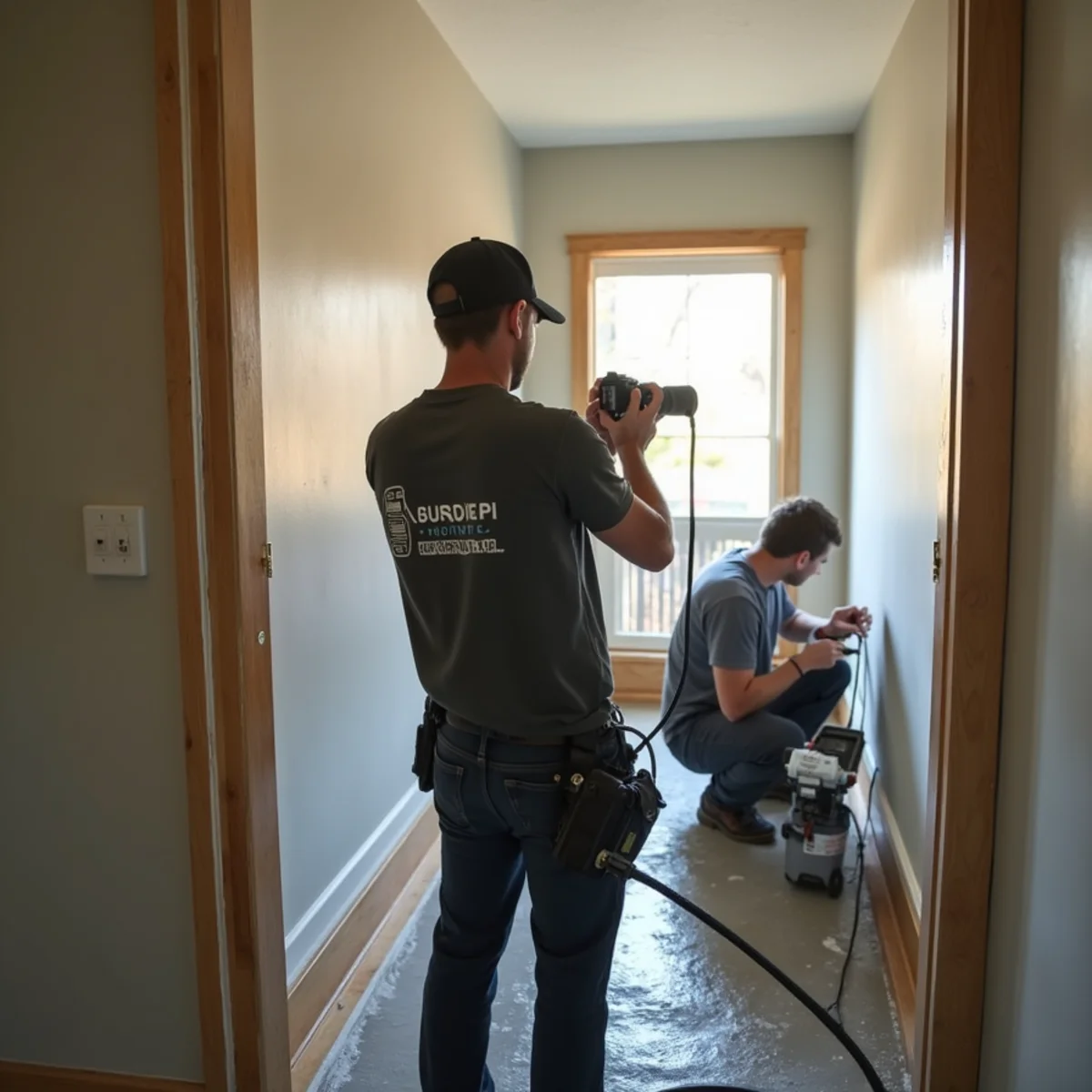
Your policy requires you to take reasonable steps to prevent further damage; this is called your duty to mitigate. If you don't, the insurer can deny the portion of the damage that spread because you waited. But before you move or remove anything, photograph and video everything: wide shots of each affected room, close-ups of the source, and footage showing how deep the water is. You can't recreate this evidence once cleanup starts, and it's the backbone of the claim.
The balance that trips people up
You must act fast to limit damage, AND preserve evidence of the original loss. The answer is simple: document thoroughly first (a few minutes of photos and video), then start mitigation. A restoration crew can do both at once — they document as they extract.
Step 2: Call your insurer and open the claim
Report the loss as soon as it's safe to. Have your policy number, the date and time you discovered the damage, and the source ready. Write down your claim number and the name of everyone you speak with. Ask two specific questions up front: what's my deductible, and is this type of loss covered under my policy? That tells you immediately whether you're looking at a covered claim or an out-of-pocket repair.
Step 3: Bring in a restoration company early
You do not have to wait for the adjuster to start mitigation — and you shouldn't, because mold starts within 24 to 48 hours. A professional restoration company produces exactly the documentation adjusters rely on: moisture readings, a written scope of work, photos of hidden damage found with thermal imaging, and an itemized estimate in the format insurers expect. That paper trail is often the difference between a claim paid in full and one that's disputed.
You choose the restoration company — not the insurer
Your insurer may recommend a company from their preferred vendor program. You're free to use them, but you're not required to. You have the right to choose your own licensed restoration contractor, who works for you rather than for the insurer's cost targets.
Step 4: Work with the adjuster
An adjuster will inspect the damage, either in person or sometimes virtually. Walk them through your documentation, point out every affected area including the hidden moisture your restoration company found, and keep your receipts for anything you've spent (emergency extraction, a hotel if the home is unlivable, replacement essentials). If your contractor's estimate and the adjuster's differ, those gaps can be negotiated — this is normal, and detailed documentation is your leverage.
Step 5: Direct billing and getting paid
On a covered claim, a restoration company that bills insurance directly can invoice your insurer for the mitigation and repair work, so you only pay your deductible rather than fronting the whole amount and waiting to be reimbursed. Confirm this arrangement before work begins and make sure the scope the insurer approves matches the scope your contractor is performing.
Why water damage claims get denied — and how to avoid it
Most denials come down to a handful of causes:
- Gradual damage: slow, long-term leaks are almost always excluded. Insurers cover sudden and accidental events, not neglected maintenance.
- Flooding without flood coverage: rising outdoor water — storm runoff, creek overflow — isn't covered by standard homeowners policies. That needs separate flood insurance.
- Failure to mitigate: damage that spread because you delayed can be excluded, even on an otherwise covered loss.
- Thin documentation: without photos and a professional scope, the insurer can dispute how much damage the event actually caused.
- Missed deadlines: policies require prompt notice. Waiting weeks to report weakens the claim.
The through-line: sudden losses, documented fast and mitigated promptly, get paid. That's also exactly what good restoration does — which is why the fast call that limits your damage is the same call that protects your claim.
A note for Oakland homeowners
Two local patterns matter here. First, combined-sewer backups: coverage for sewer backup is often an add-on endorsement, not standard — check whether you carry it. Second, the sudden-versus-gradual line hits older homes hard. A galvanized pipe that finally bursts is sudden and usually covered; the same pipe seeping for months behind a wall is gradual and usually isn't. Fast detection, which our guide on spotting hidden water damage can help with, keeps losses on the covered side of that line.
Dealing with water damage in Oakland right now?
A local Oakland team answers live — 24/7, 365 days a year. We respond fast, document for insurance, and handle the whole job.
Frequently asked
No. Your policy requires you to prevent further damage, and mold starts within 24 to 48 hours. Document thoroughly with photos and video first, then begin mitigation. A restoration company documents as it works, which gives the adjuster exactly what they need.
No. You can use an insurer's preferred vendor, but you have the right to choose your own licensed restoration contractor — one who works for you, not for the insurer's cost targets.
The most common reasons are gradual damage (long-term leaks are excluded), outdoor flooding without flood coverage, failing to mitigate quickly, or insufficient documentation. Sudden, accidental losses that are documented and mitigated promptly are typically paid.
On a covered claim, a restoration company can bill your insurer directly for the work, so you pay only your deductible instead of fronting the full cost and waiting for reimbursement. Confirm the arrangement before work starts.
Keep exploring
Areas we serve