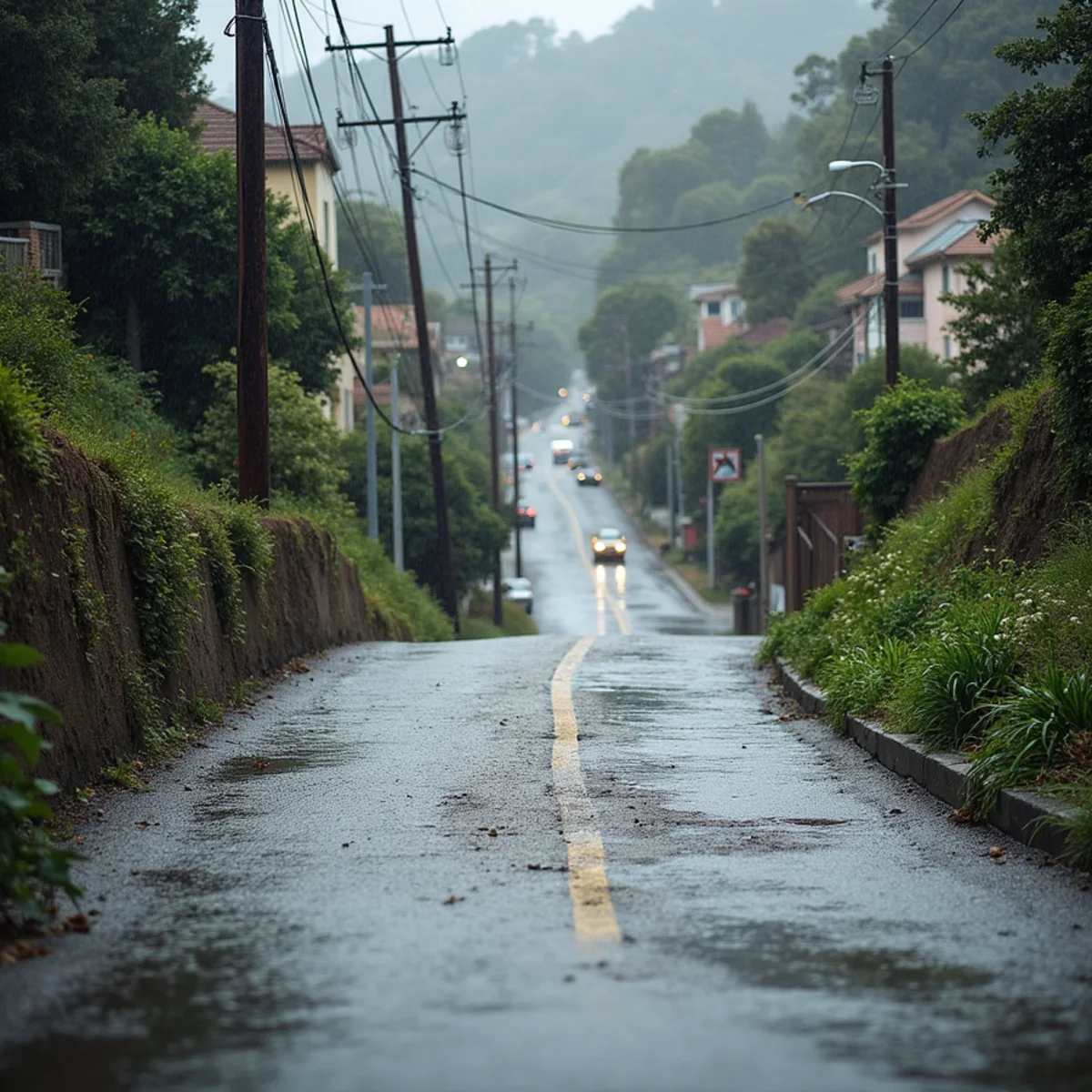
Wildfire Season Aftermath: Mudslide and Debris Flow Risks in the Oakland Hills
IICRC-certified restoration specialists — 15+ years restoring Oakland & East Bay homes.
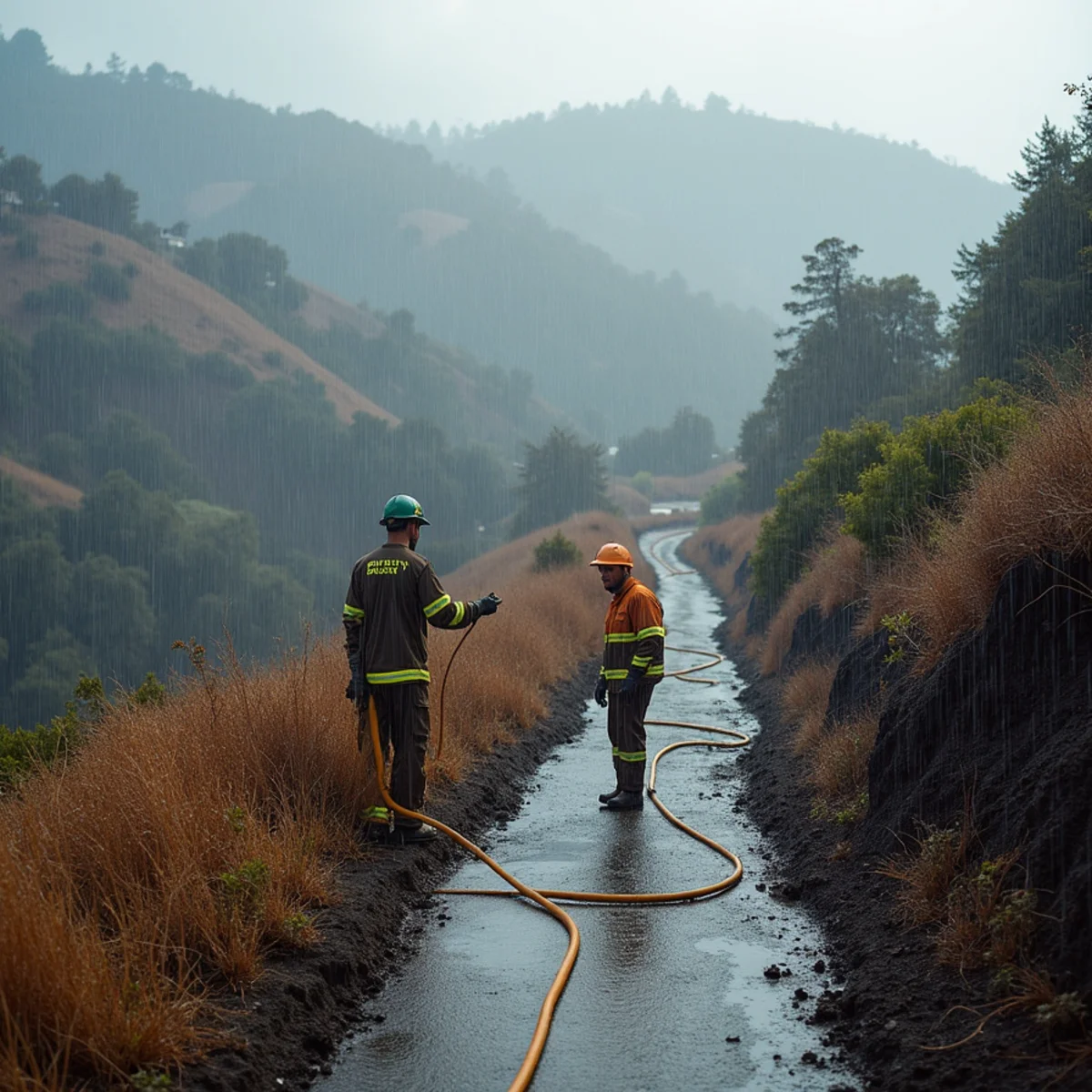
The Oakland Hills carry a memory that shapes how residents think about risk: the 1991 firestorm, one of the most destructive urban wildfires in American history. But the fire itself isn't the end of the danger. The winter after a fire brings a second, less-discussed hazard — mudslides and debris flows on the burned slopes above homes.
Why burned slopes flood and slide
A healthy hillside absorbs rain — vegetation slows the water, and roots hold the soil. Fire changes both. It burns away the plants that would have slowed and soaked up the rain, and intense heat can bake the soil into a water-repellent (hydrophobic) layer that sheds water instead of absorbing it.
The result: when winter rain hits a burn scar, far more water runs off, far faster, carrying loose soil, ash, and debris downhill with it. On the steep slopes of the Oakland Hills, that can mean fast-moving mud and debris flows that threaten the homes below — and ordinary flooding for homes in the runoff path.
How long does the risk last?
The heightened danger is greatest in the first winter or two after a fire, before vegetation regrows and stabilizes the slope. During that window, even a moderate atmospheric river can trigger runoff and debris flow that the same slope would have shrugged off before it burned. It's a risk worth taking seriously if you live below a recently burned area.
Protecting your home
If you're downhill of a burn scar or on a steep Oakland Hills lot, focus on managing and diverting water:
- Keep gutters, downspouts, and area drains clear so your own roof water isn't adding to the problem.
- Make sure the ground and any swales direct runoff around your home, not toward it.
- Consider professionally placed barriers, sandbags, or straw wattles to divert or slow debris flow — the city and county sometimes provide guidance and materials after a fire.
- Have an evacuation plan and heed warnings; debris flows move fast and are dangerous to people, not just property.
Water damage vs. life safety
A mudslide or debris flow is first a life-safety emergency — never try to ride one out to protect belongings. Once it's safe, water and mud intrusion becomes a restoration problem, and that's where we can help.
Cleaning up after mud and debris intrusion
Mud and debris-flow water is contaminated — it's carried soil, ash, and whatever was on the slopes and streets it crossed, making it Category 3 black water. Cleanup means removing the mud and saturated materials, decontaminating every surface, and drying the structure thoroughly, since hillside intrusion soaks into wall bases and subfloors.
What to do the moment a debris flow threatens
A debris flow is a life-safety event first and a property problem second, and the two call for very different responses. If heavy rain is falling on a burn area above you and you hear a rumbling or see mud and water moving, do not try to protect belongings — get to higher ground inside the home or evacuate if advised. Debris flows move fast and are far more powerful than they look.
Once it's genuinely safe, the cleanup begins — and mud-and-debris water is contaminated Category 3 water carrying soil, ash, and whatever it crossed. That means removing saturated materials, decontaminating surfaces, and drying the structure, not just shoveling out mud. Documenting everything as you go supports whatever coverage — flood, mudslide, or other — ends up applying.
Our storm damage and flood restoration crews handle post-fire mud and water intrusion across the Oakland Hills, and we know the access challenges of these steep, narrow streets. If your home has taken on mud or water, call us once you're safe and we'll get to work.
Dealing with water damage in Oakland right now?
A local Oakland team answers live — 24/7, 365 days a year. We respond fast, document for insurance, and handle the whole job.
Frequently asked
Possibly. Homes downhill of a burn scar can be threatened by mud and debris flowing from the burned slope above, even if the home itself was untouched by fire. Location relative to the burned area is what matters most.
It's complicated and depends on your policy — mudslide and debris flow can fall under different coverage than either fire or standard flood. Document everything and consult your insurer; we provide the damage documentation that supports whatever claim applies.
It's greatest in the first winter or two after a fire, before vegetation regrows and stabilizes the slope. During that window, even a moderate atmospheric river can trigger runoff and debris flow that the same hillside would have shrugged off before it burned.
Possibly. Homes downhill of a burn scar can be threatened by mud and debris flowing from the burned slope above, even if the home itself was untouched by fire. Your location relative to the burned area matters more than whether your own lot burned.
It's complicated and depends on your policy — mudslide and debris flow can fall under different coverage than either fire or standard flood. Document everything and check with your insurer; we provide the damage documentation that supports whatever claim applies.
Keep gutters and drains clear so your own roof water isn't adding to the problem, make sure the ground and any swales direct runoff around the house, and consider professionally placed barriers or wattles to slow debris. And always heed evacuation warnings — a debris flow is a life-safety event first.
Keep exploring
Related services