Backwater Valve Installation: Protecting Your Oakland Home from Sewer Backups
IICRC-certified restoration specialists — 15+ years restoring Oakland & East Bay homes.
If you live in one of Oakland's older, low-lying neighborhoods, a sewer backup is one of the worst — and most preventable — kinds of water damage. The single most effective defense is a device most homeowners have never heard of: a backwater valve. Here's what it is, how it protects you, and what it takes to install one.
What a backwater valve does
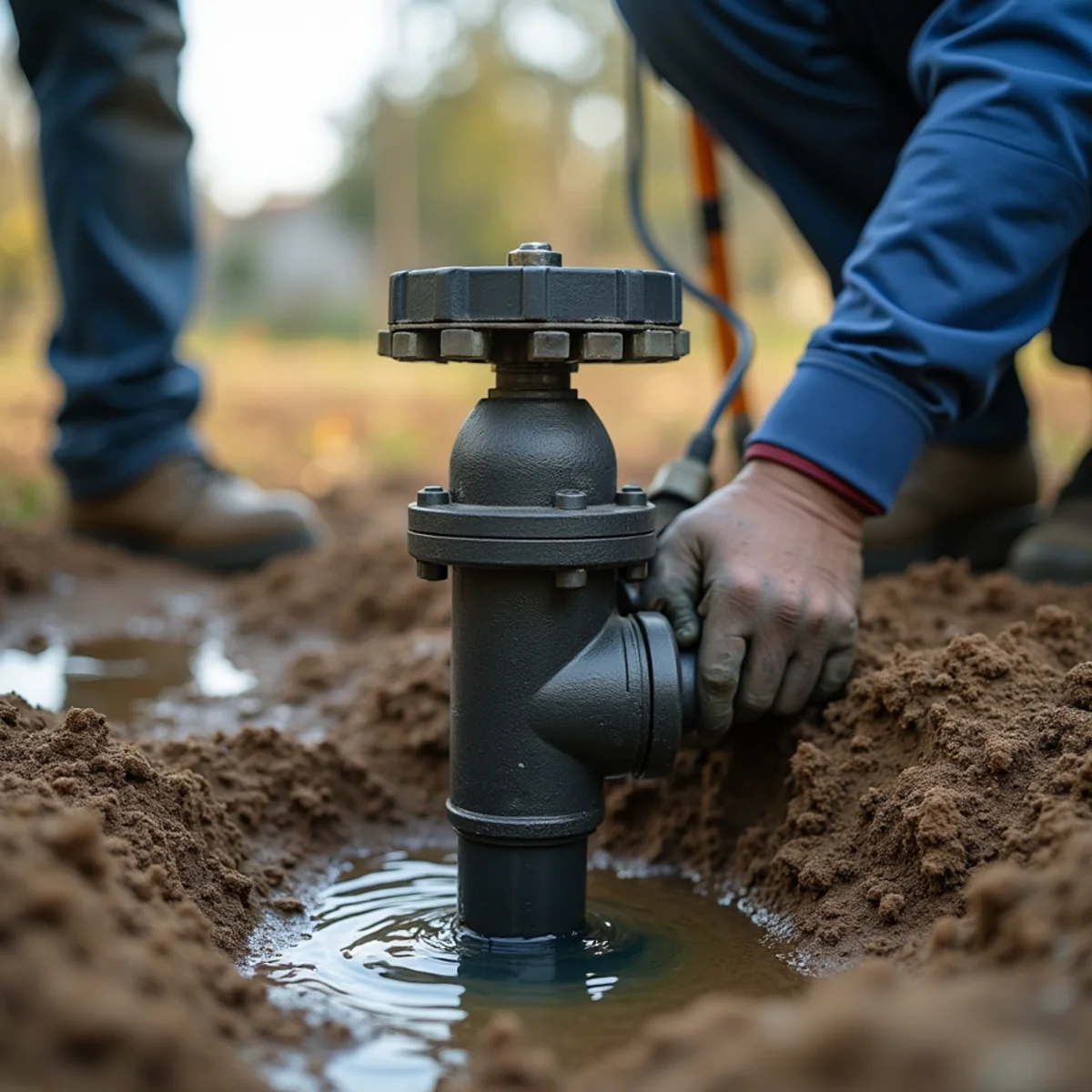
A backwater valve (also called a backflow or backwater prevention valve) is a one-way gate installed on your home's main sewer lateral — the pipe that carries waste from your house to the city main. Under normal conditions, wastewater flows freely out through it. But if the city sewer surcharges and water tries to flow backward toward your house, the valve's flap swings shut, sealing your home off from the backup.
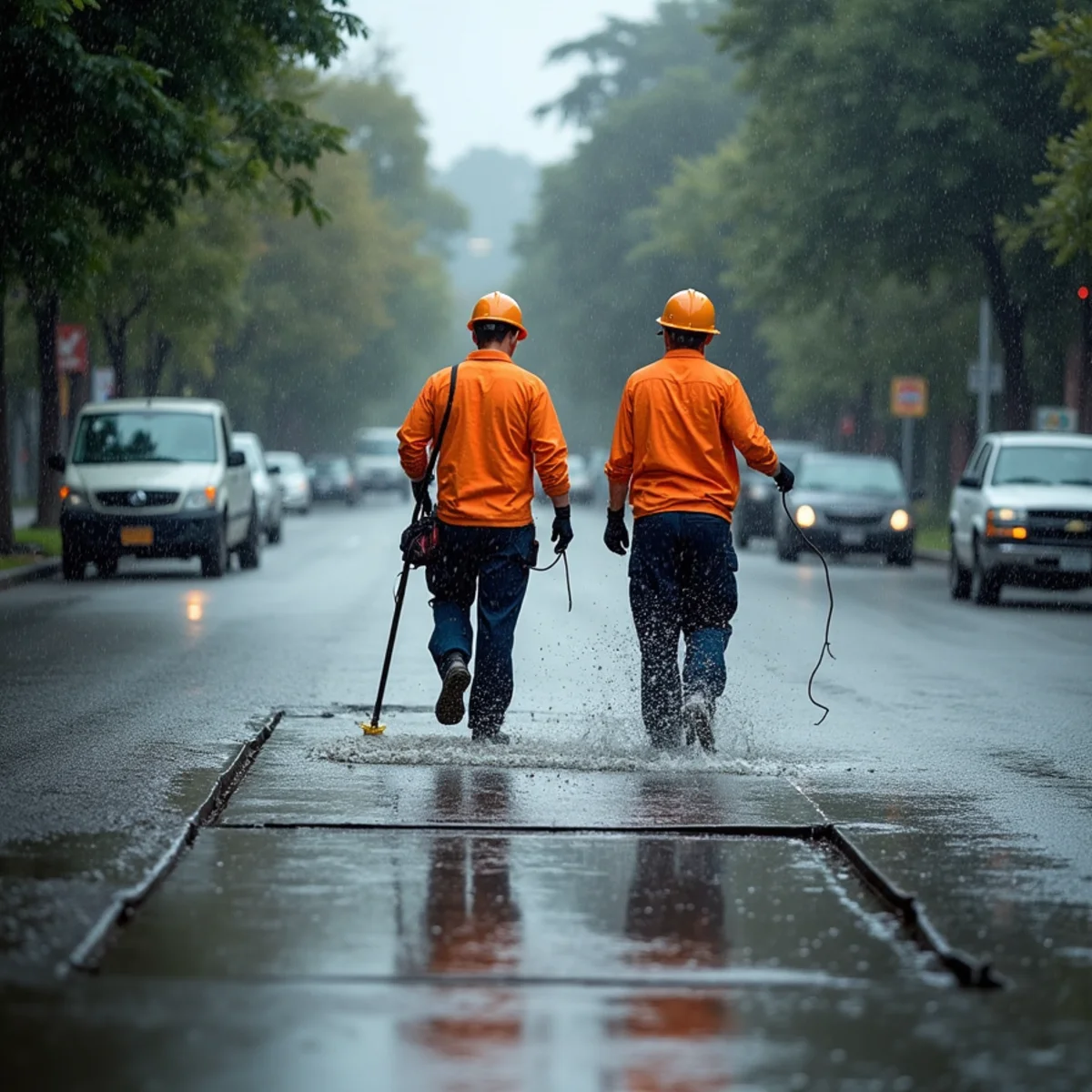
In a city like Oakland, where the combined sewer system can be overwhelmed during heavy storms and push sewage back toward the lowest fixtures in your home, that one-way gate can be the thing that keeps Category 3 black water out of your basement.
Who needs one most
A backwater valve is especially worth it if you:
- Live in a low-lying or flatland Oakland neighborhood (West Oakland, Fruitvale, deep East Oakland).
- Have a basement or floor drains below street level.
- Have experienced a sewer backup before, even a minor one.
- Own an older home on an aging clay sewer lateral.
How installation works
Installing a backwater valve means accessing the sewer lateral, usually by excavating a section near where it leaves the house or opening a spot in a basement slab, then cutting in the valve with an accessible cleanout for maintenance. It's a job for a licensed plumber, and in Oakland it requires a permit from the Building Department — which is a good thing, because permitted, inspected work protects you.
Do it alongside a lateral inspection
If you're opening up the lateral anyway, it's the perfect time to have it scoped with a camera. If your clay lateral is cracked or root-invaded, you can address both the backup risk and the failing pipe in one project.
Maintenance keeps it working
A backwater valve only protects you if it can close cleanly, and that means keeping it maintained. Debris, grease, and roots can foul the flap over time. Plan to:
- Open the cleanout and inspect the valve periodically (at least annually, and before storm season).
- Clear any debris around the flap so it can seat fully.
- Check that the flap moves freely and the seal is intact.
- Be mindful that when the valve is closed during a backup event, you shouldn't run water in the house — it has nowhere to go until the city system drains.
Part of a bigger prevention plan
A backwater valve pairs naturally with the other defenses for Oakland's older homes: a sewer-lateral inspection and repair, a sewer-backup insurance endorsement, and — for flood-prone properties — a sump pump. Together, they turn a home that's vulnerable to every big storm into one that's genuinely protected.
How to know if you're a strong candidate
A backwater valve isn't necessary for every home, but for some Oakland properties it's close to essential. You're a strong candidate if you have a basement or floor drains below street level, if you've experienced any sewage backup before, if your home sits in a low-lying or flatland neighborhood, or if it's an older house on an aging clay sewer lateral.
If two or more of those describe your home, a valve is worth serious consideration — ideally installed alongside a lateral inspection so you address both the backup risk and any failing pipe in one project. Pair it with a sewer-backup insurance endorsement and you've closed the two biggest gaps that leave Oakland homeowners exposed during heavy storms.
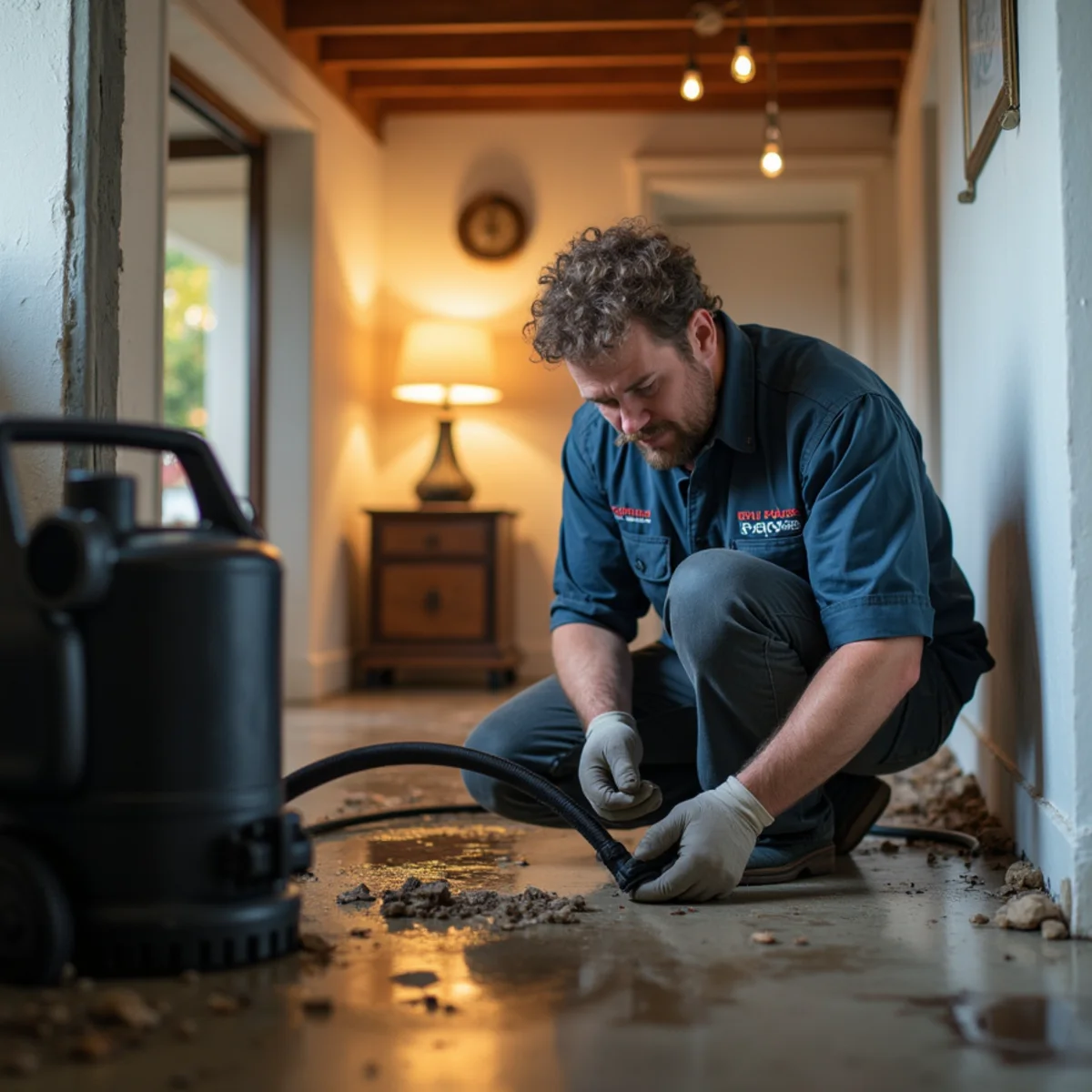
If you've already had a backup, our sewage cleanup crews handle the aftermath safely, and we can point you toward the prevention measures — including where a backwater valve fits — that keep it from happening again. Reach out any time.
Dealing with water damage in Oakland right now?
A local Oakland team answers live — 24/7, 365 days a year. We respond fast, document for insurance, and handle the whole job.
Frequently asked
Yes. Installing a backwater valve involves the sewer lateral and requires a permit from the Oakland Building Department, with the work done by a licensed plumber. Permitted, inspected work protects you and your future home sale.
It stops sewage from backing up through your sewer line, which is a major cause of basement contamination. It doesn't stop groundwater seepage or surface flooding — for those you may also want a sump pump and good exterior drainage.
It varies with access — whether the lateral is reached by excavation or through a basement slab — but it's modest next to the cost and health hazard of a sewage cleanup. Doing it alongside a lateral inspection saves on the shared excavation.
Yes. It involves the sewer lateral and requires a permit from the Oakland Building Department, with the work done by a licensed plumber. Permitted, inspected work protects you and matters at resale.
No — while the valve is shut against a surcharge, wastewater from your home has nowhere to go, so hold off on running water and flushing until the city system drains. That's a normal part of how the valve protects you.
Keep exploring
Related services