Why Oakland's Combined Sewer System Creates Water Damage Risks
IICRC-certified restoration specialists — 15+ years restoring Oakland & East Bay homes.
Most homeowners never think about the sewer system until it ends up on their basement floor. In Oakland, understanding how that system works — and why it fails during big storms — can be the difference between a dry home and a Category 3 sewage cleanup.
What a combined sewer system actually is
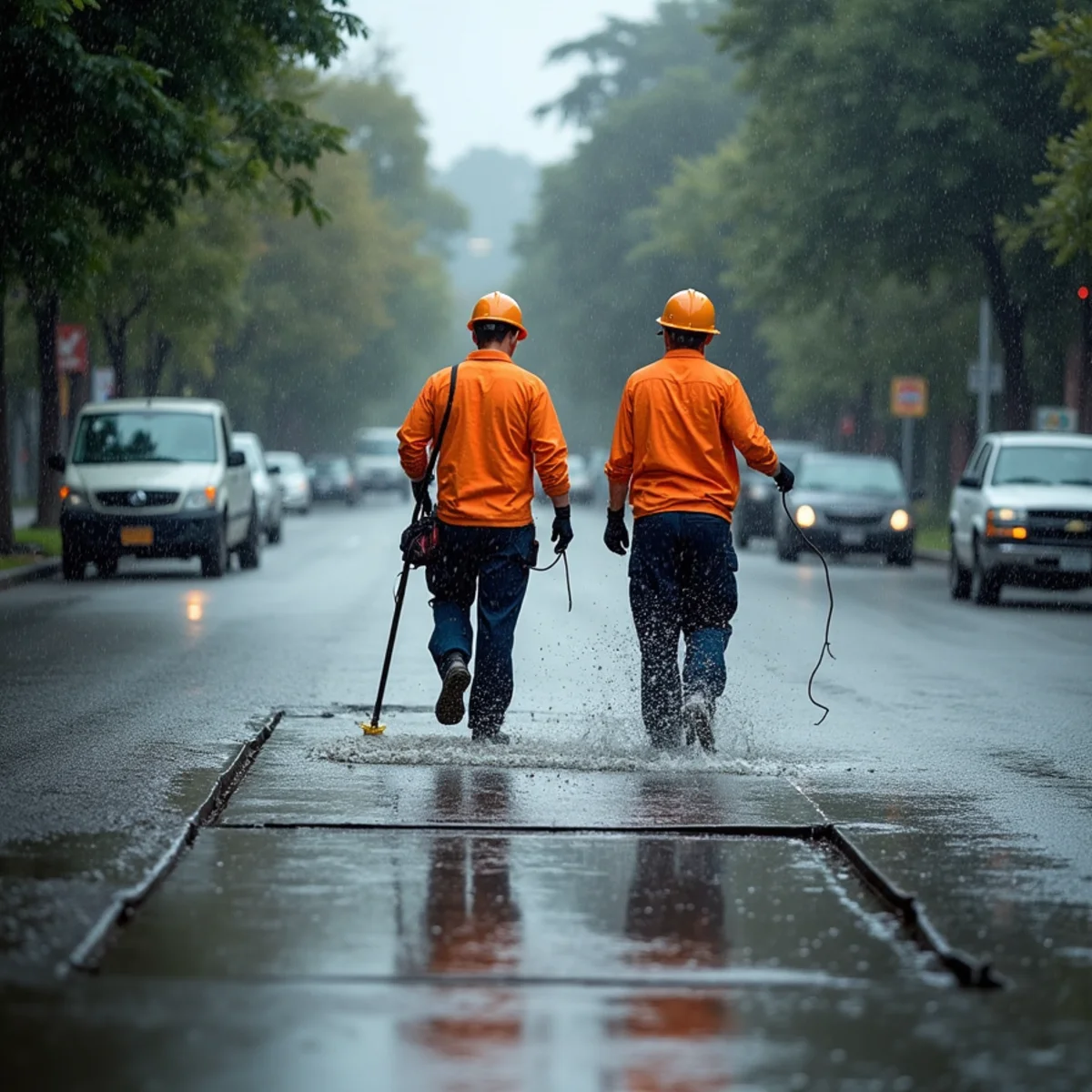
In much of Oakland, stormwater runoff and household sewage travel through the same set of pipes. On a normal day, that system carries wastewater to treatment without a problem. But when a heavy storm dumps rain faster than the pipes can handle, the combined flow of rainwater and sewage overwhelms the system — and it has nowhere to go but backward and up, into the lowest drains, toilets, and tubs in nearby homes.
This is called a combined sewer overflow, and it's not a rare, freak event in Oakland. It's a known, recurring winter hazard.
The 2023 storms made the risk impossible to ignore
During the atmospheric rivers of early 2023, Oakland's system was pushed far past its limits. Tens of millions of gallons of untreated sewage spilled into local waterways, and homes and yards across the East Bay — Castro Valley and the flatland neighborhoods among the hardest hit — saw sewage back up through their drains. It was a stark, citywide demonstration of how vulnerable the aging infrastructure really is.
Why older neighborhoods are hit hardest
Two things compound the risk in Oakland's older, flatter neighborhoods:
- Low elevation. Flatland neighborhoods like West Oakland, Fruitvale, and deep East Oakland sit low, so when the system backs up, they're the first to see it inside their homes.
- Aging sewer laterals. The private pipe connecting your home to the city main is often old clay pipe in pre-1950 homes — cracked, root-invaded, and easily overwhelmed. A compromised lateral makes a backup far more likely.
Environmental-justice communities in the flatlands have historically seen less infrastructure investment, which only deepens the exposure.
What you can do to protect your home
You can't fix the city's system, but you can defend your own house. Two measures do most of the work:
Install a backwater valve
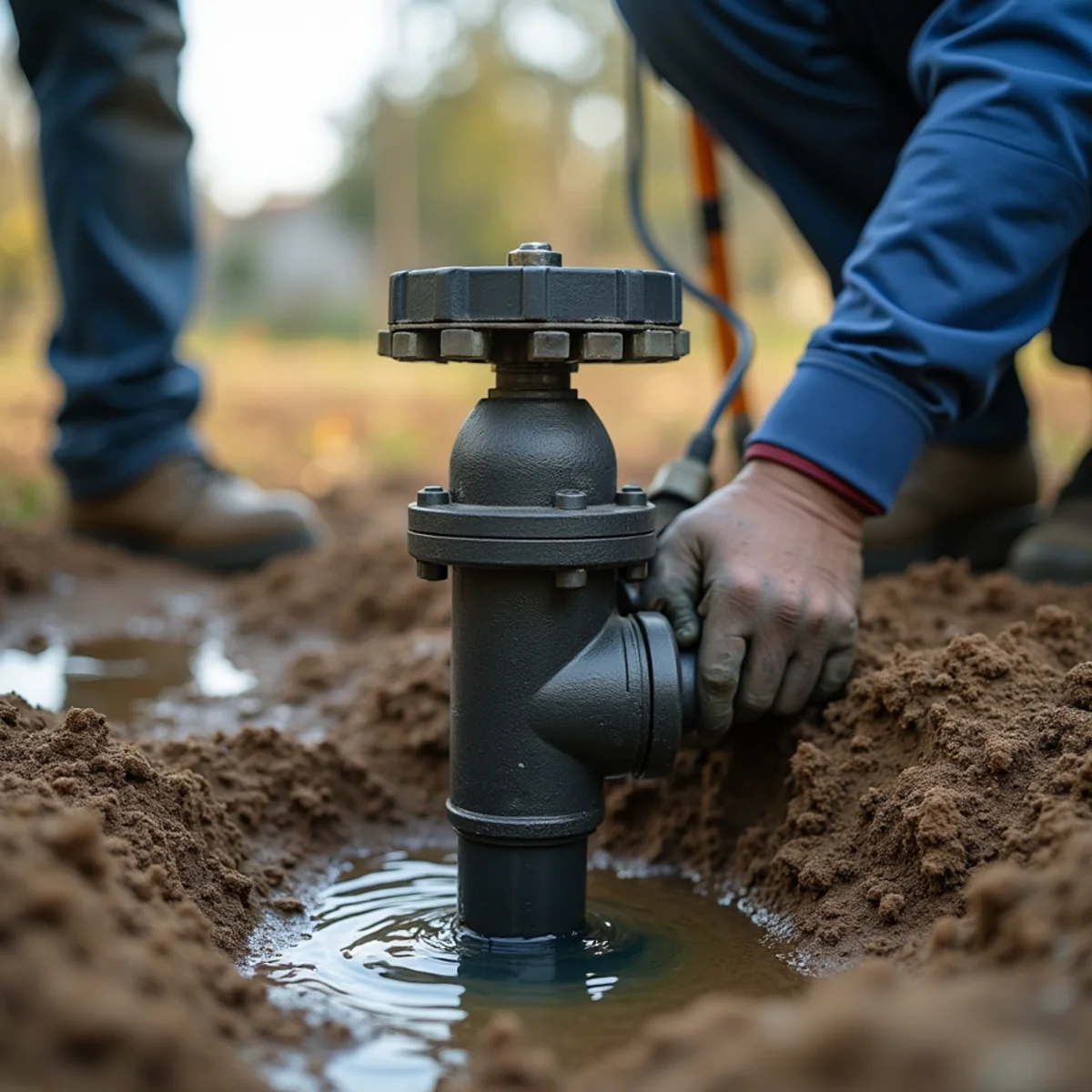
A backwater valve is a one-way gate installed on your sewer lateral. It lets wastewater flow out but slams shut if water tries to flow back in — stopping a combined-sewer backup before it reaches your fixtures. For homes in low-lying Oakland neighborhoods, it's one of the most effective defenses available.
Inspect (and possibly replace) your sewer lateral
If your home is older and you've never had the lateral scoped with a camera, that's the place to start. A cracked, root-filled clay lateral is both a backup risk and an EBMUD compliance issue during a home sale. Lining or replacing it removes a major failure point.
Before the next storm
Know where your cleanout is, consider a backwater valve, and if you have an old clay lateral, get it inspected. These steps are far cheaper than a sewage cleanup and the health hazards that come with it.
If it does back up
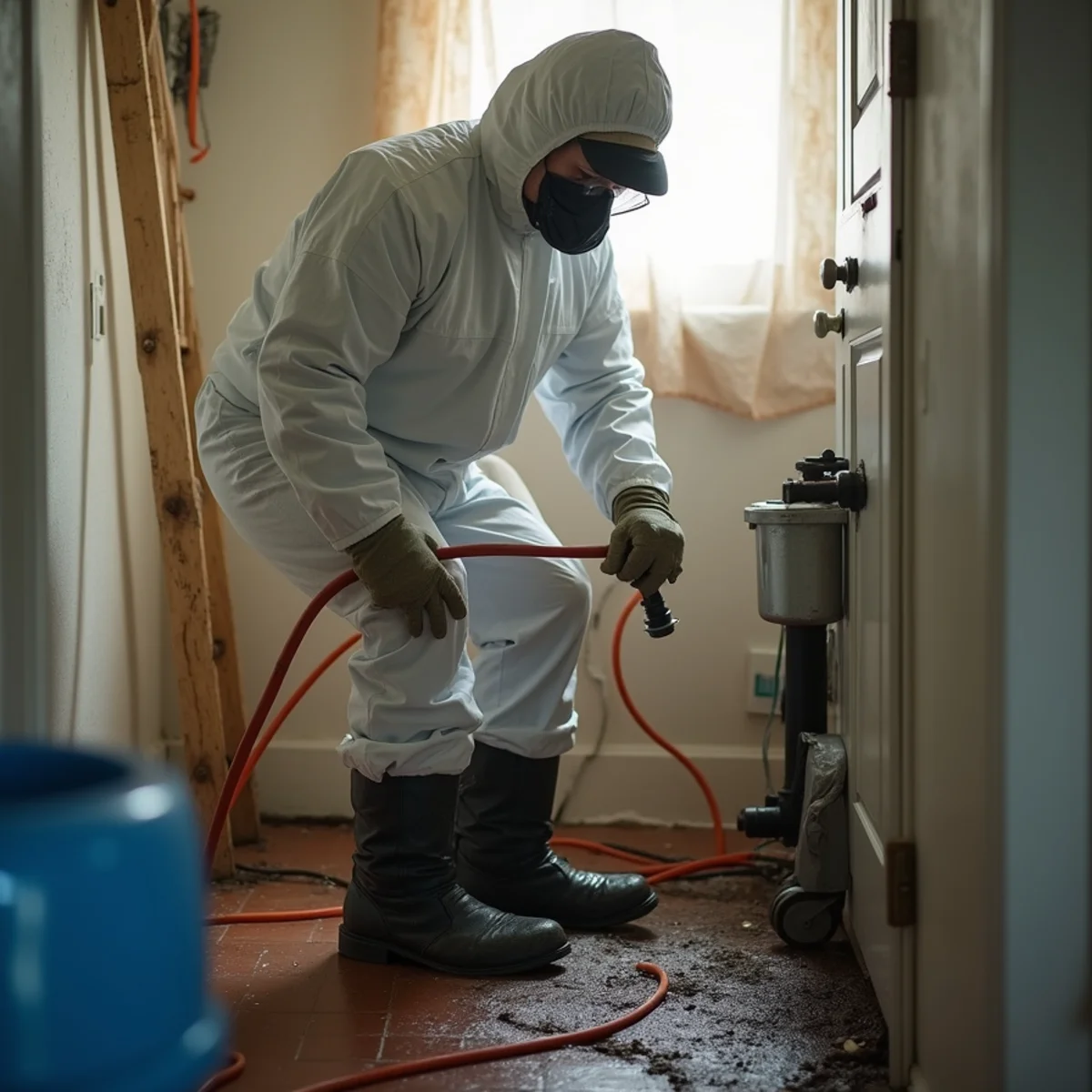
Sewage is contaminated black water — it carries bacteria, viruses, and parasites, and it can't just be mopped up. Keep your family and pets away from it, and call a professional. Proper sewage cleanup means containment, removal and disposal of affected porous materials, disinfection of every surface, and thorough drying. This is not a DIY job.
What a sewer-lateral inspection actually finds
If your Oakland home predates 1950 and you've never had the sewer lateral scoped, that camera inspection is one of the most useful things you can do. A plumber runs a small camera down the line and shows you exactly what's happening underground — cracked clay sections, offset joints where the pipe has shifted, and the root masses that snag debris and trigger backups.
Knowing the condition of your lateral turns a mystery into a plan. A minor root intrusion might be cleared and monitored; a badly cracked line is a candidate for lining or replacement before it fails during a storm. Either way, it's cheaper and far less stressful than a sewage cleanup, and in Oakland the lateral's condition often comes up at resale anyway.
If you've had a sewer backup anywhere in Oakland or the East Bay, our team handles sewage cleanup safely, 24/7 — and we can advise you on the prevention measures that keep it from happening again.
Dealing with water damage in Oakland right now?
A local Oakland team answers live — 24/7, 365 days a year. We respond fast, document for insurance, and handle the whole job.
Frequently asked
Older homes in low-lying, flatland Oakland neighborhoods with original clay sewer laterals are most at risk, especially during heavy storms. Recurring slow drains are an early warning sign of a failing lateral.
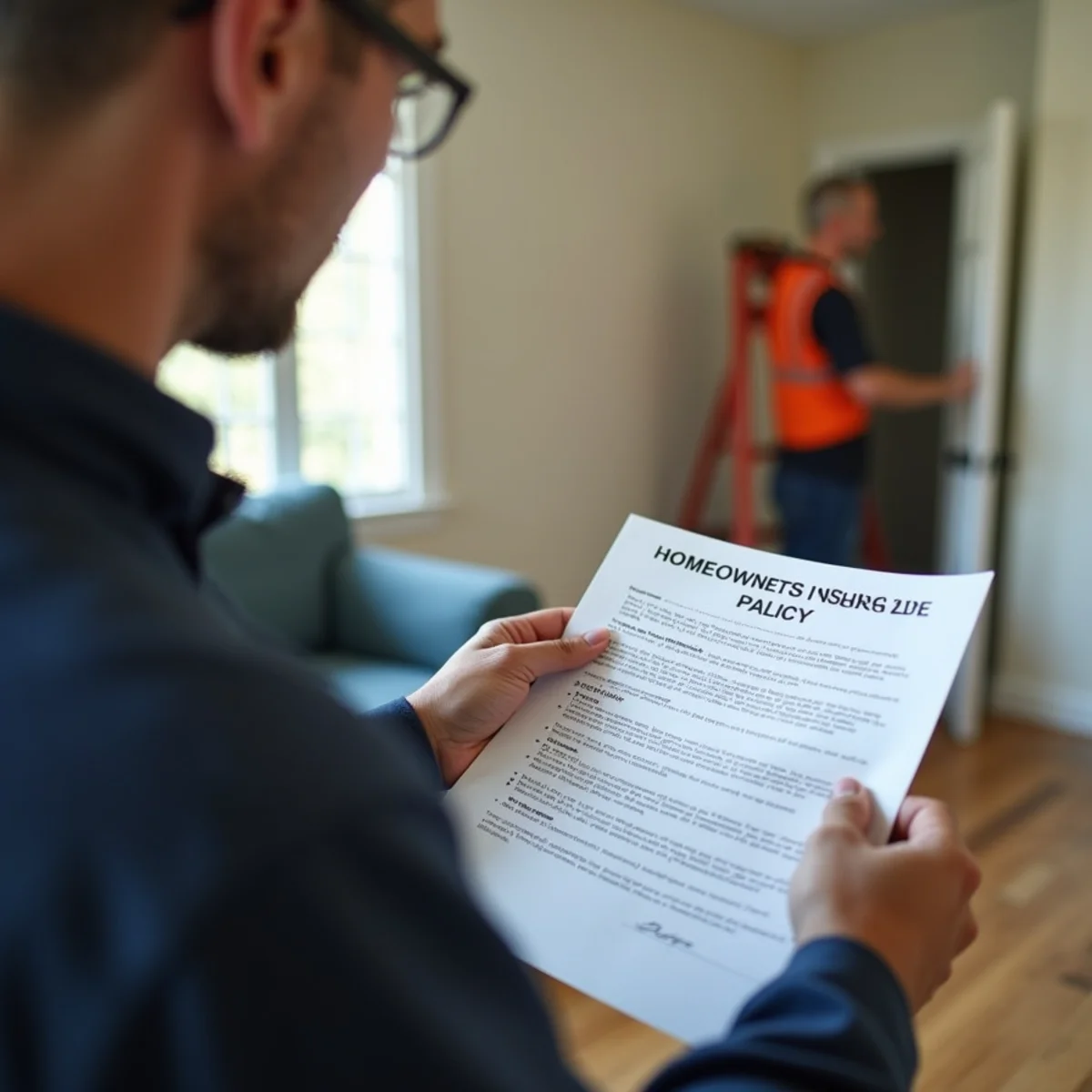
Only if you carry a specific sewer or water-backup endorsement — it's not part of most standard policies. It's an inexpensive add-on that's well worth it in older Oakland neighborhoods.
A clog usually affects one fixture. A sewer or lateral backup tends to hit the lowest drains in the house at once — a basement floor drain, a downstairs tub or toilet — and often worsens during heavy rain. That pattern points to the main line, not a single trap.
Yes. The flap has to close cleanly, so it should be inspected and cleared of debris at least once a year and before storm season. A valve fouled with roots or grease can't protect you when the system surcharges.
The private lateral — the pipe from your home to the city main — is the homeowner's responsibility, and in older neighborhoods it's often the failure point. Oakland ties lateral compliance to home sales, so it's worth scoping yours before it becomes an emergency.
Keep exploring
Related services