Sewage Backup in Your Oakland Home? What to Do (and What to Avoid)
IICRC-certified restoration specialists — 15+ years restoring Oakland & East Bay homes.
A sewage backup is the one kind of water damage you should never clean up yourself. What comes up through a floor drain, a toilet, or a basement during a backup is Category 3 water — "black water" — and it carries bacteria, viruses, and parasites that cause real illness. In Oakland, backups are common enough that it's worth knowing exactly what to do before it happens to you.
First: get everyone away from it
Treat sewage as the biohazard it is. Keep family and pets out of the affected area entirely — don't wade in, don't try to bail it, and don't let kids near it. If the sewage is widespread or you have anyone in the home who is elderly, pregnant, immunocompromised, or has respiratory issues, leave the area until it's professionally cleaned.
Then, if you can do it safely
- Stop using water. Every flush, sink, and shower can add to the backup. Tell everyone in the house to stop running water immediately.
- Shut off power to the affected area at the breaker — but only if you can reach the panel without stepping into the water.
- Open windows for ventilation if the weather allows, and keep the area closed off from the rest of the house.
- Turn off the HVAC so contaminated air and spores aren't pulled through the ducts into clean rooms.
- Photograph everything for your insurance claim before anyone starts cleanup.
What to never do
Don't use a household or shop vacuum on sewage, don't run fans that blow contaminated air around the house, and don't try to save soaked porous items (carpet, padding, drywall that got wet) by drying them — Category 3 water means they're contaminated and have to go. And never pour bleach down a backed-up drain hoping to "clean" it; it does nothing for the backup and creates fumes.
Why Oakland sees so many backups
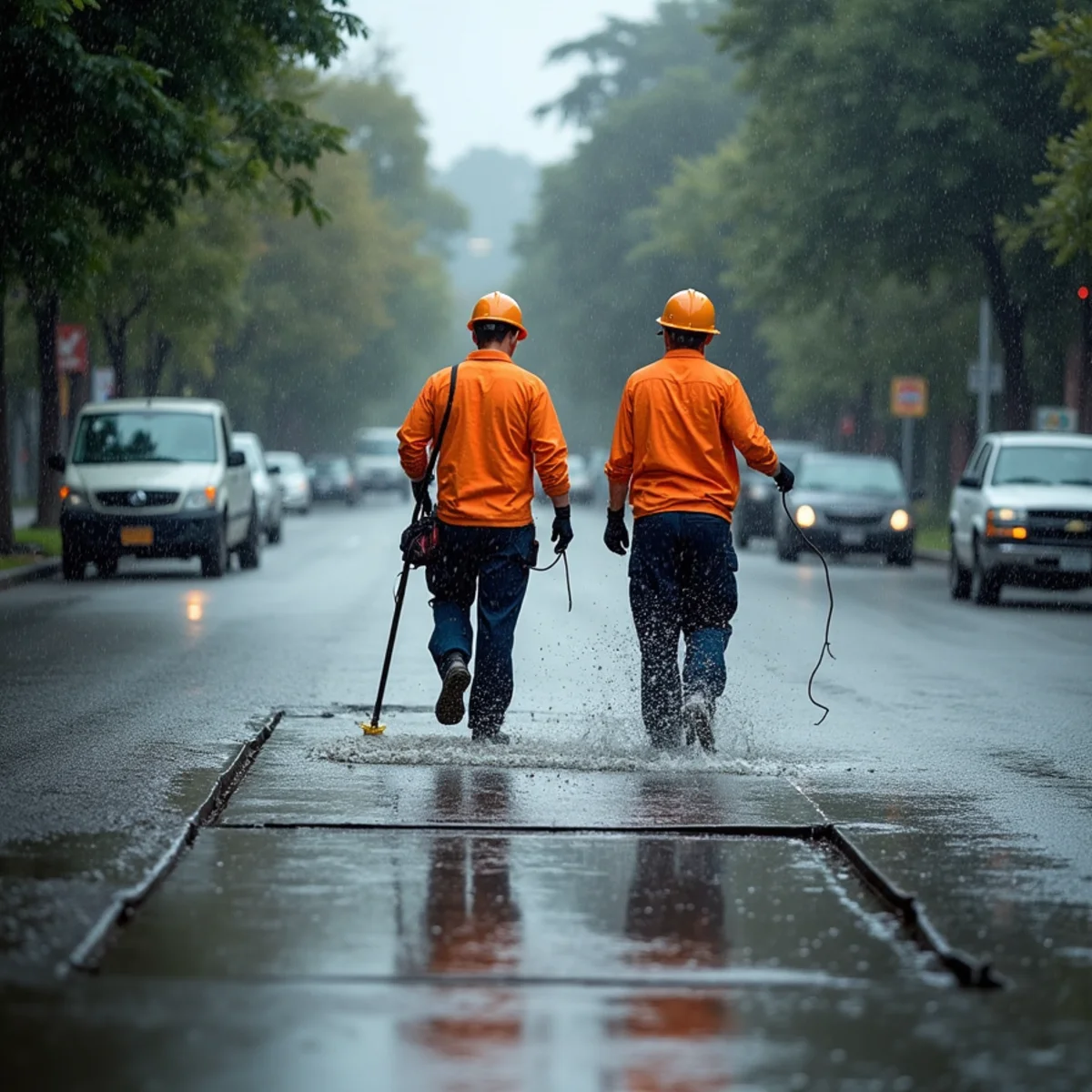
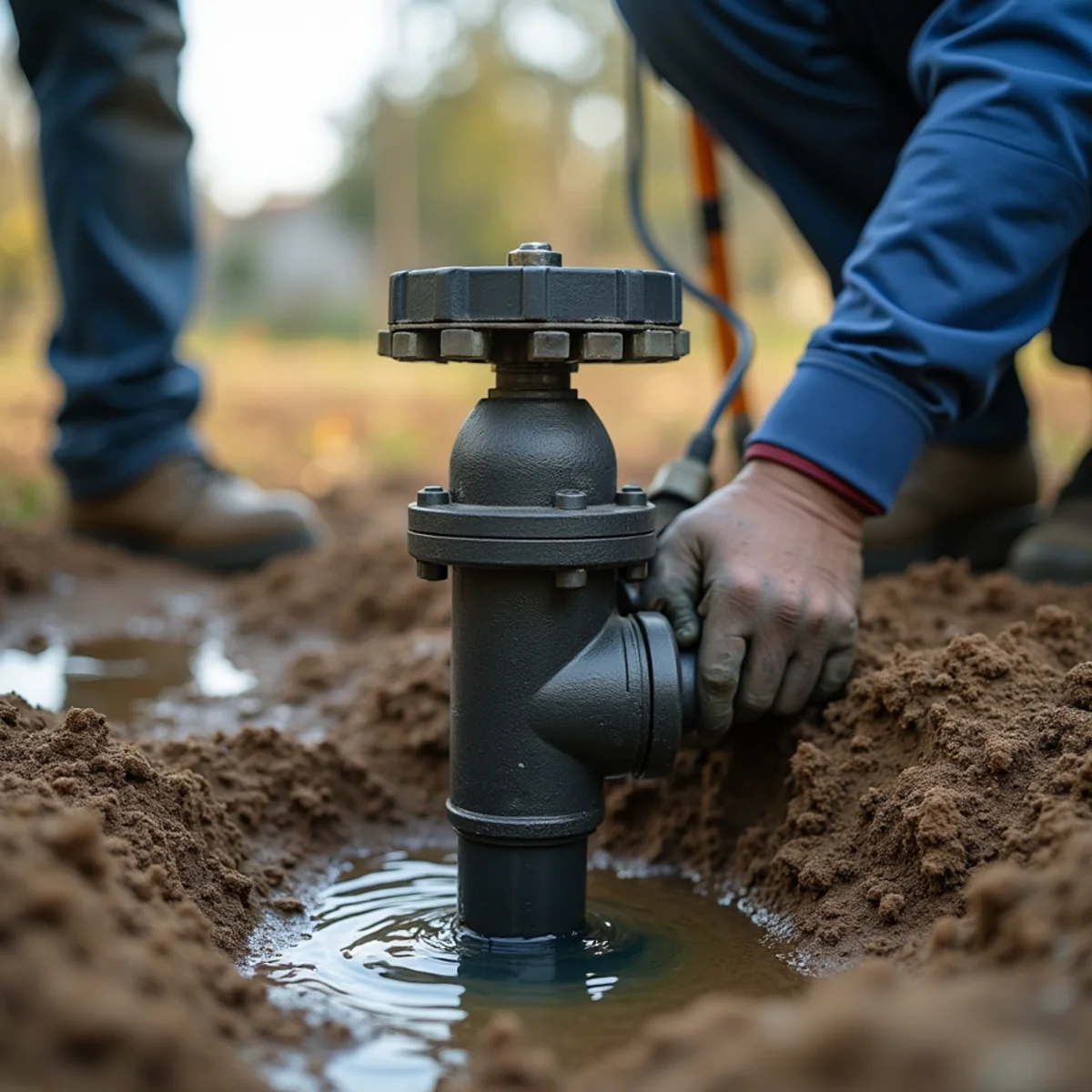
Much of older Oakland runs on a combined sewer system, where sewage and stormwater share the same pipes. In heavy rain — especially the atmospheric rivers that now define our winters — the system overloads and pushes water back up through the lowest fixtures in your home. That's why backups so often happen during big storms and show up first in basements and ground-floor bathrooms. Aging clay and cast-iron laterals and root intrusion do the rest. Our guide on Oakland's combined sewer system explains the risk in depth, and a backwater valve is the single best defense against it.
Why this is a job for professionals
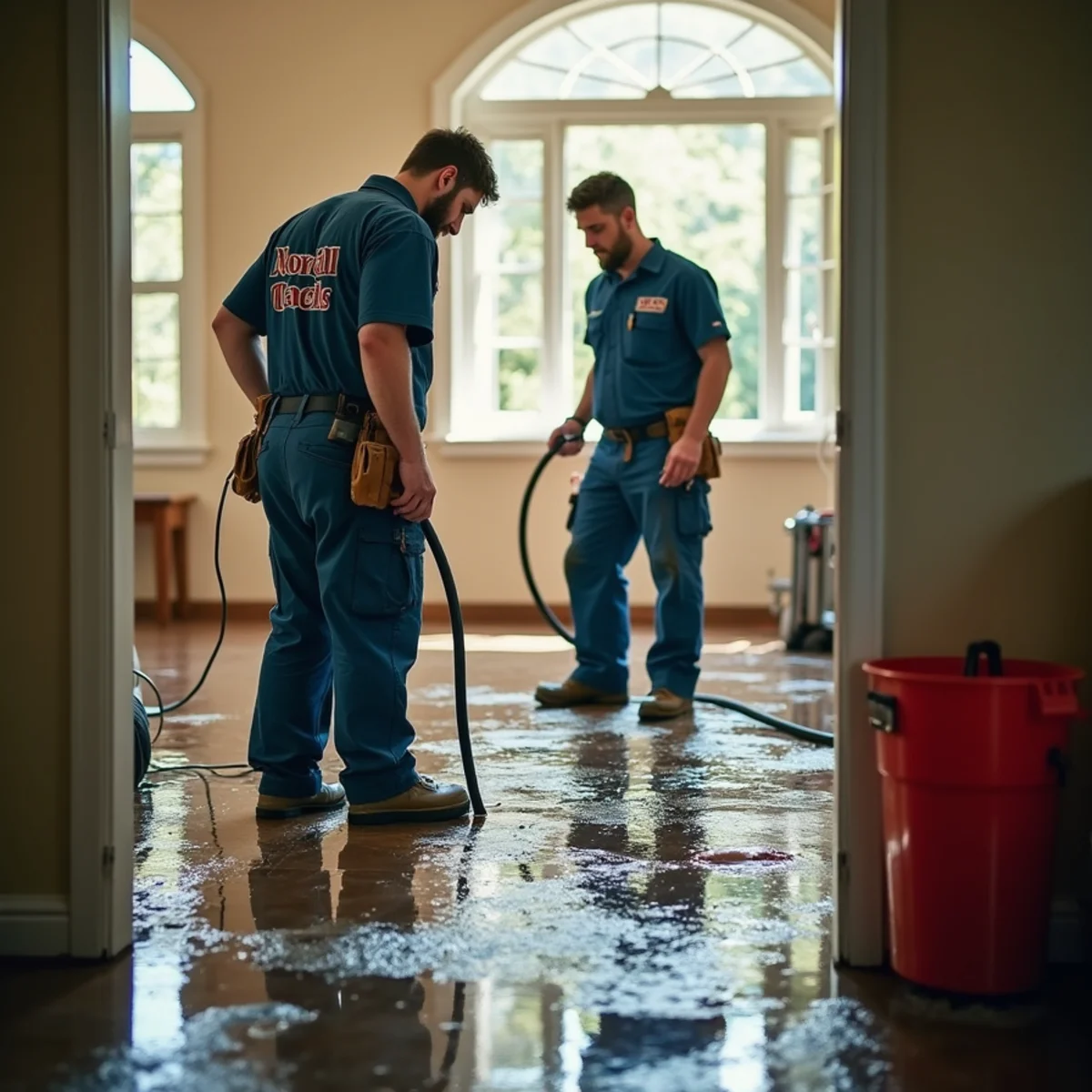
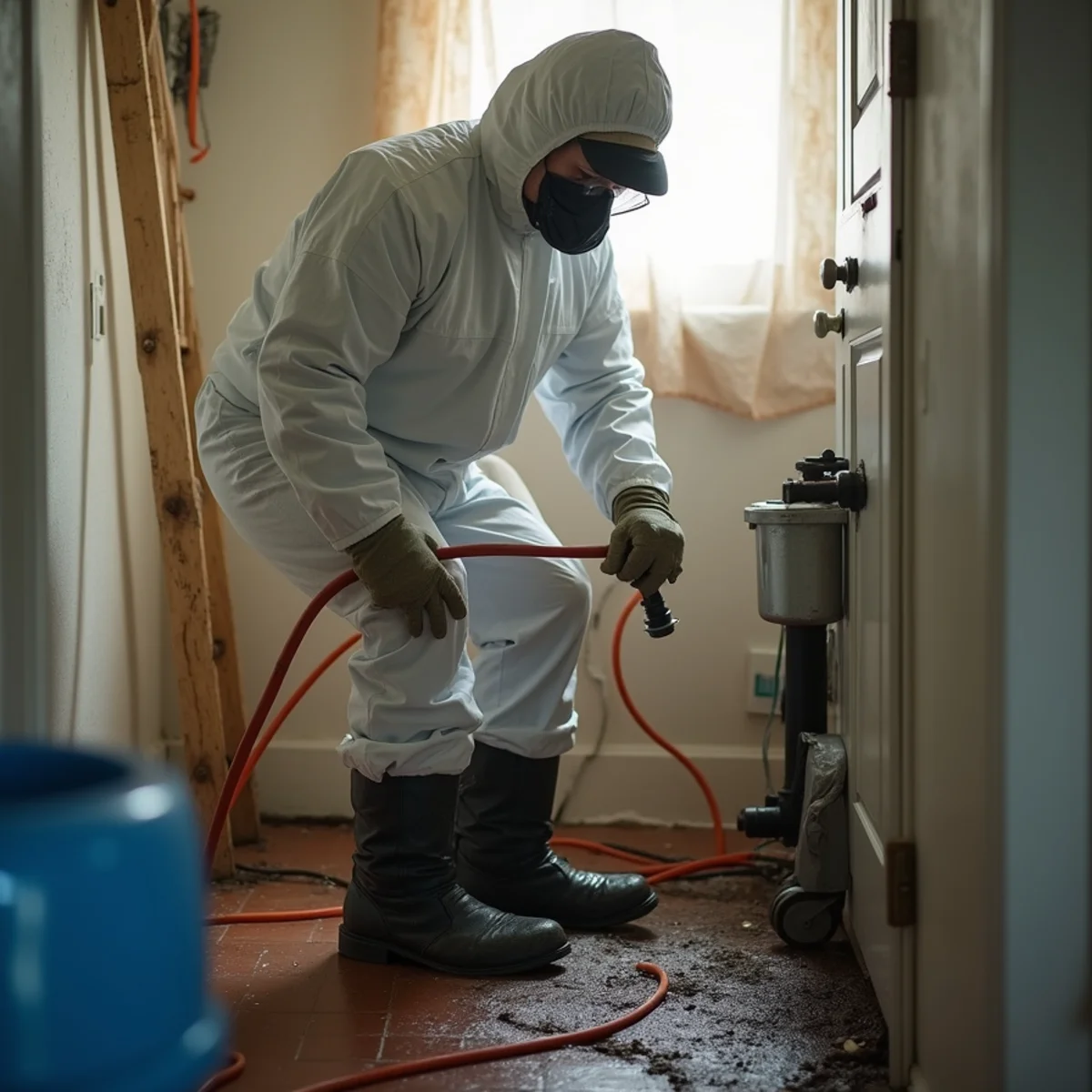
Sewage cleanup isn't mopping — it's remediation. Done right, it means protective equipment, extraction of the contaminated water, removal and disposal of porous materials that can't be disinfected, antimicrobial treatment of everything that stays, HEPA air filtration, and verified drying so mold doesn't follow. The health risk and the disposal requirements are exactly why this is the one water loss where DIY does more harm than good. A professional crew also documents the loss properly for your insurer — and sewage backup is often covered only if you carry a specific endorsement, so getting the documentation right matters.
What to do right now
If sewage is backing up in your Oakland home as you read this: get everyone clear of it, stop running water, and call a 24/7 crew that handles biohazard-grade cleanup. The faster contaminated water is extracted and the area is disinfected and dried, the less it spreads and the lower the health risk. This is a call worth making immediately, day or night.
Dealing with water damage in Oakland right now?
A local Oakland team answers live — 24/7, 365 days a year. We respond fast, document for insurance, and handle the whole job.
Frequently asked
Yes. It's Category 3 "black water" — it contains bacteria, viruses, and parasites. Exposure can cause gastrointestinal and respiratory illness and skin infections. It should be handled only with protective equipment, which is why it's not a DIY job.
No. Bleach on the surface doesn't address contamination soaked into carpet, padding, drywall, or the subfloor, and it can't make porous materials safe — those have to be removed and disposed of. Proper remediation also includes HEPA filtration and verified drying to prevent mold.
Often only if you carry a specific sewer/drain backup endorsement — it's frequently not part of a standard homeowners policy. Check your policy for that coverage. Either way, we document the loss thoroughly so you can file with the best possible support.
If you're on Oakland's combined sewer, a backwater valve is the most effective protection — it lets waste flow out but blocks it from surging back in during a storm. Keeping laterals clear of roots and avoiding flushing grease and wipes also help.
Keep exploring
Areas we serve