Why Oakland Basements Flood — and How to Keep Yours Dry
IICRC-certified restoration specialists — 15+ years restoring Oakland & East Bay homes.
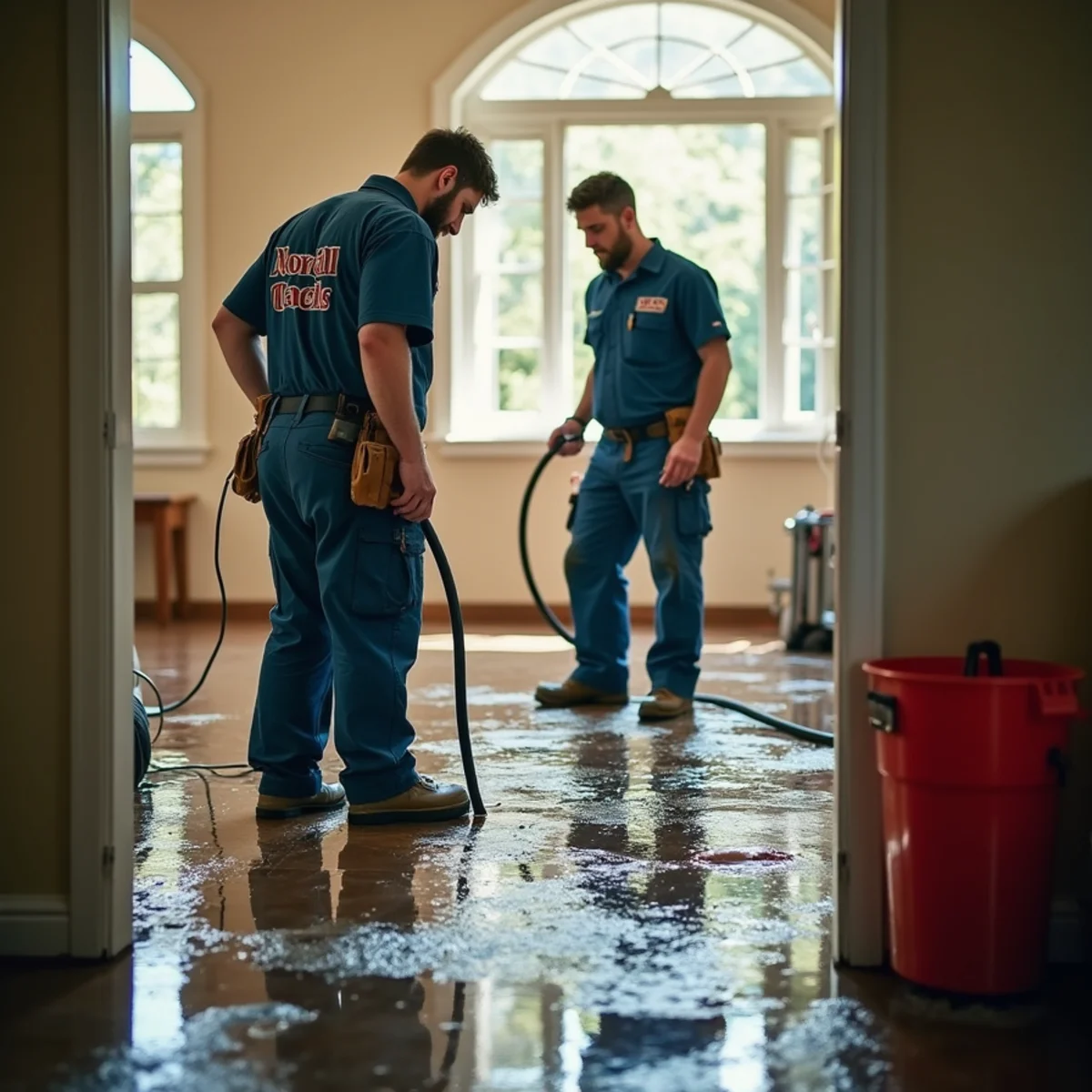
A flooded basement or lower level is rarely bad luck — it's almost always the same cause coming back until something changes. Oakland's geography makes this especially true: a home in the Montclair hills floods for completely different reasons than one in the West Oakland flatlands. Knowing which pattern is after your home is the first step to keeping it dry.
The main reasons Oakland basements and lower levels flood
1. Combined-sewer backups
Much of older Oakland is served by a combined sewer system, where stormwater and sewage share the same pipes. During heavy rain the system can overload and push water — Category 3, contaminated water — back up through the lowest drains in your home, which are usually in the basement or a ground-floor bathroom. If your flooding happens during big storms and smells foul, this is the likely culprit. Our guide to Oakland's combined sewer system goes deeper on why.
2. Hillside hydrostatic pressure
In the hills — Montclair, Redwood Heights, the Oakland Hills — rainwater saturates the slope and builds pressure against foundation walls. That pressure forces water through cracks, cold joints, and the seam where the wall meets the floor. This is why a hillside home can take on water even when no drain backed up: the ground itself is pushing it in.
3. A high water table in the flatlands
Closer to the estuary and the bay — parts of West and East Oakland, Jack London — the water table sits high, and in a wet winter it rises. When it rises above your floor slab, water seeps up through the slab and the base of the walls. Atmospheric-river storms, which dump weeks of rain in days, make this far worse.
4. Failed or missing sump pumps
A sump pump is the last line of defense for below-grade spaces, and it tends to fail at the worst possible moment — during the storm, when the power's out or the pump has silted up from disuse. A basement that stayed dry for years can flood the first time the pump doesn't run.
5. Surface water and grading
Sometimes it's simpler: downspouts dumping against the foundation, a driveway that slopes toward the house, or soil that's settled so water pools against the wall. Surface water that should run away from the home runs into it instead.
How to prevent it
Prevention depends on which cause you're fighting, but a few measures cover most Oakland homes:
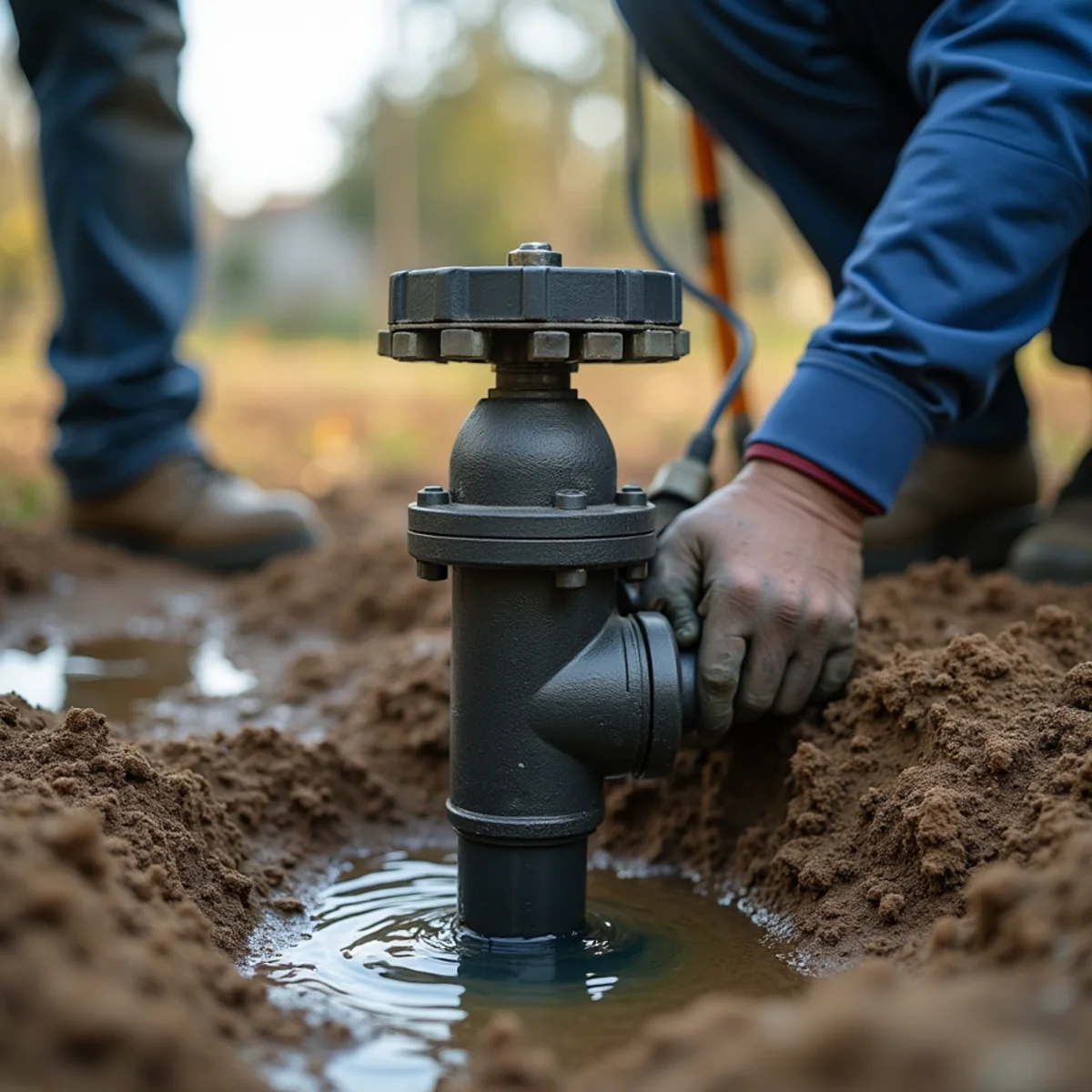
- Install a backwater valve if you're on the combined sewer — it lets waste flow out but blocks it from flowing back in during a surge. See our guide on backwater valve installation.
- Keep a working sump pump with a battery backup, and test it before the rainy season rather than during it. Our sump pump maintenance checklist walks through it.
- Extend downspouts well away from the foundation and regrade soil so it slopes away from the house.
- Seal foundation cracks and, on hillside homes, consider exterior drainage (French drains, curtain drains) to relieve hydrostatic pressure.
- Keep valuables and mechanicals off the basement floor — up on shelves or platforms.
If the water is contaminated, stay out
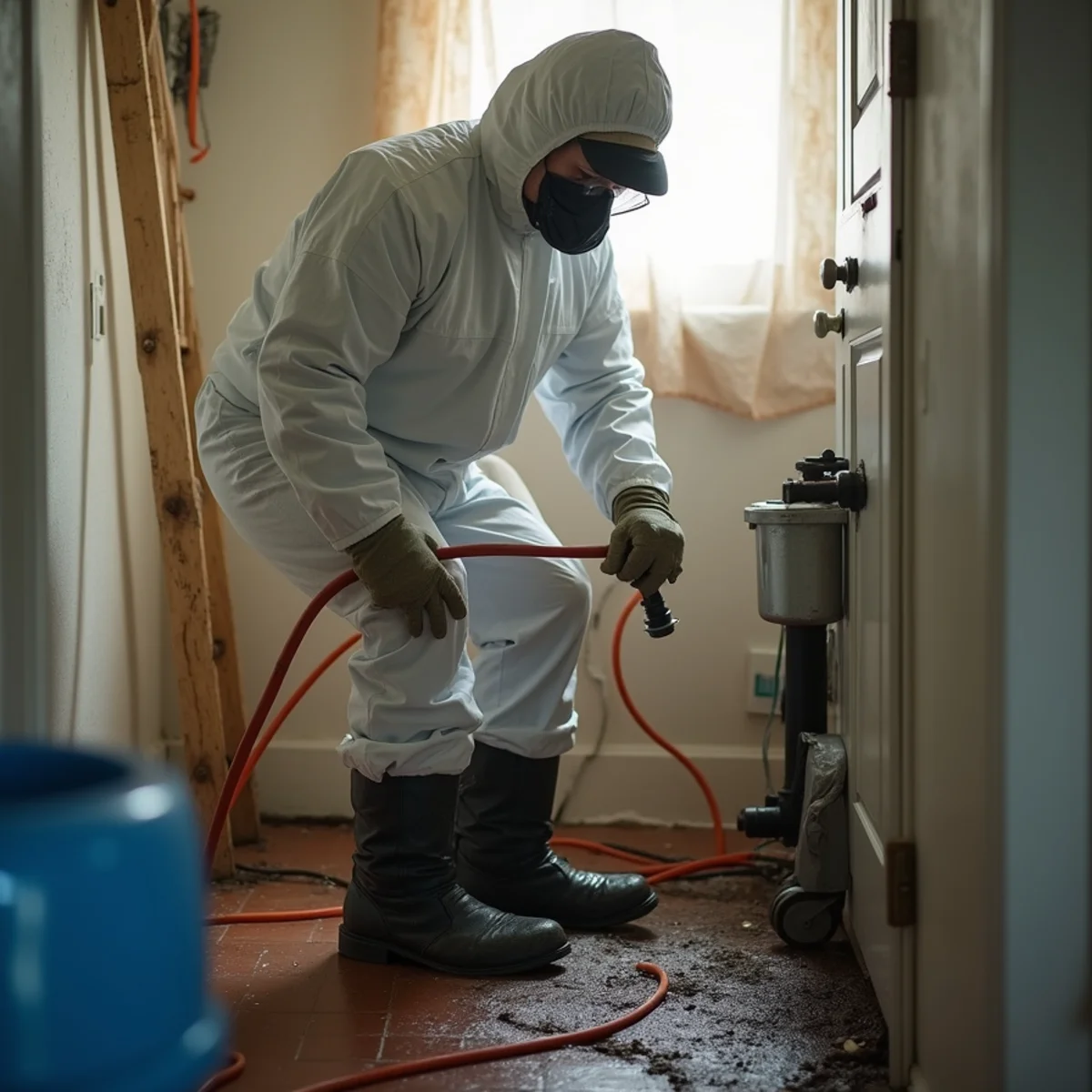
Basement flooding from a sewer backup or storm runoff is Category 3 — hazardous. Keep family and pets out of it entirely, don't try to wade in and bail, and let a crew with protective equipment handle extraction and sanitizing.
What to do when the basement is already flooding
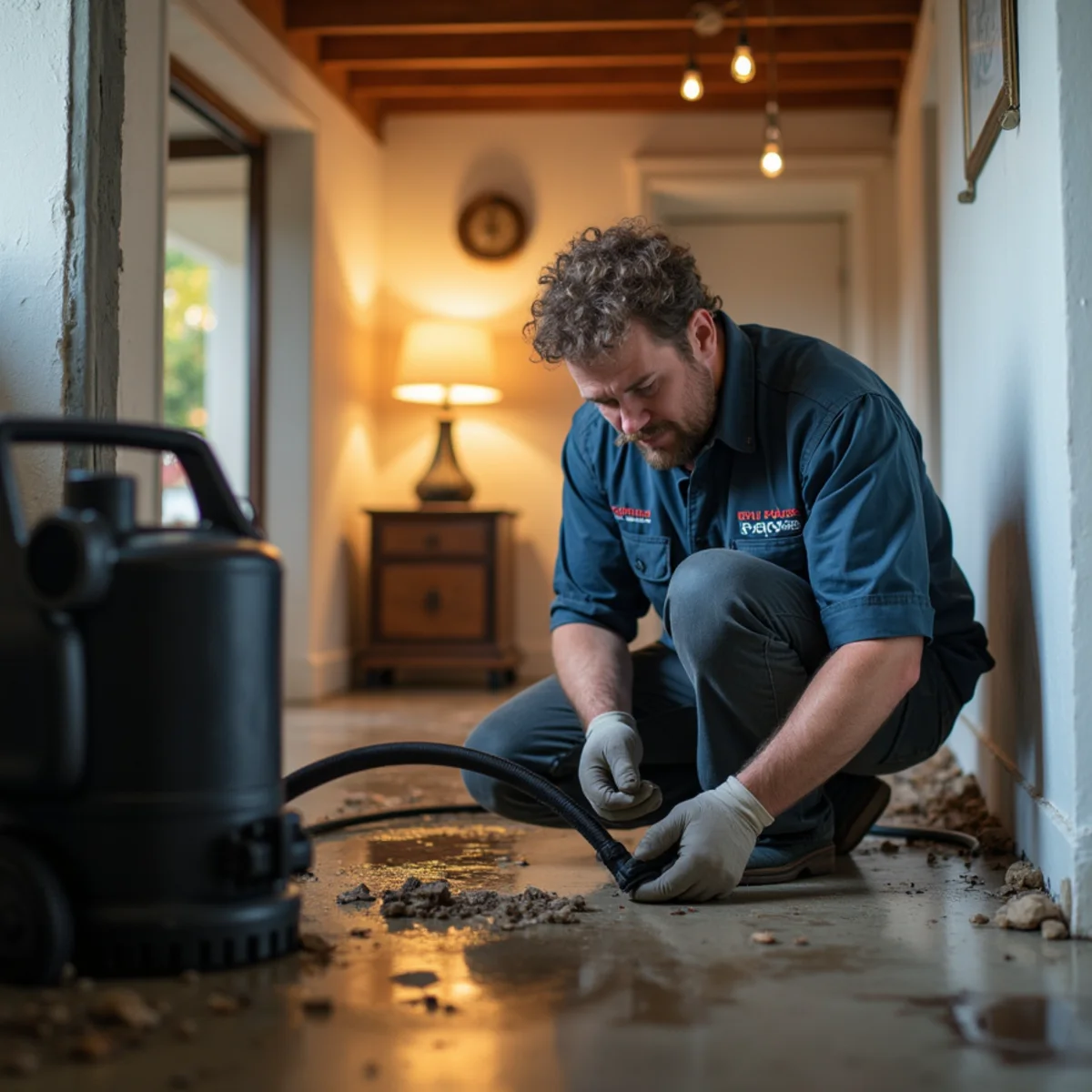
Safety first: if there's standing water, cut the power to the lower level at the breaker before anyone steps in, and treat any sewer or storm water as contaminated. Then get a 24/7 crew dispatched — truck-mounted extractors pull out hundreds of gallons far faster than anything you have at home, and the faster the water's out and drying starts, the less you lose to mold and structural damage. Document everything for insurance while you wait, and don't throw out damaged items until they're recorded.
A flooded lower level is one of the fastest losses to turn into a mold problem, because the space is enclosed, often humid, and easy to leave sitting. Moving quickly is what keeps a wet-vac afternoon from becoming a demolition job.
Dealing with water damage in Oakland right now?
A local Oakland team answers live — 24/7, 365 days a year. We respond fast, document for insurance, and handle the whole job.
Frequently asked
That points to either a combined-sewer backup (the system overloads and pushes water back up your drains) or a rising water table saturating the ground around your foundation. Both are storm-driven. A backwater valve helps with the first; drainage and sealing help with the second.
It depends on the source. A burst pipe or failed appliance is usually covered. Sewer backup is often covered only if you carry a specific endorsement, and outdoor flooding needs separate flood insurance. Check your policy for sewer backup coverage specifically.
Clean water from a pipe, maybe — if it's shallow and you dry it fast. Sewer or storm water is contaminated and needs protective equipment and sanitizing. And any flooding that reached walls or the subfloor needs professional moisture verification, because an enclosed basement grows mold quickly.
It depends on the cause, but for homes on Oakland's combined sewer, a backwater valve plus a maintained sump pump with battery backup prevents the two most common and most damaging scenarios.
Keep exploring
Areas we serve