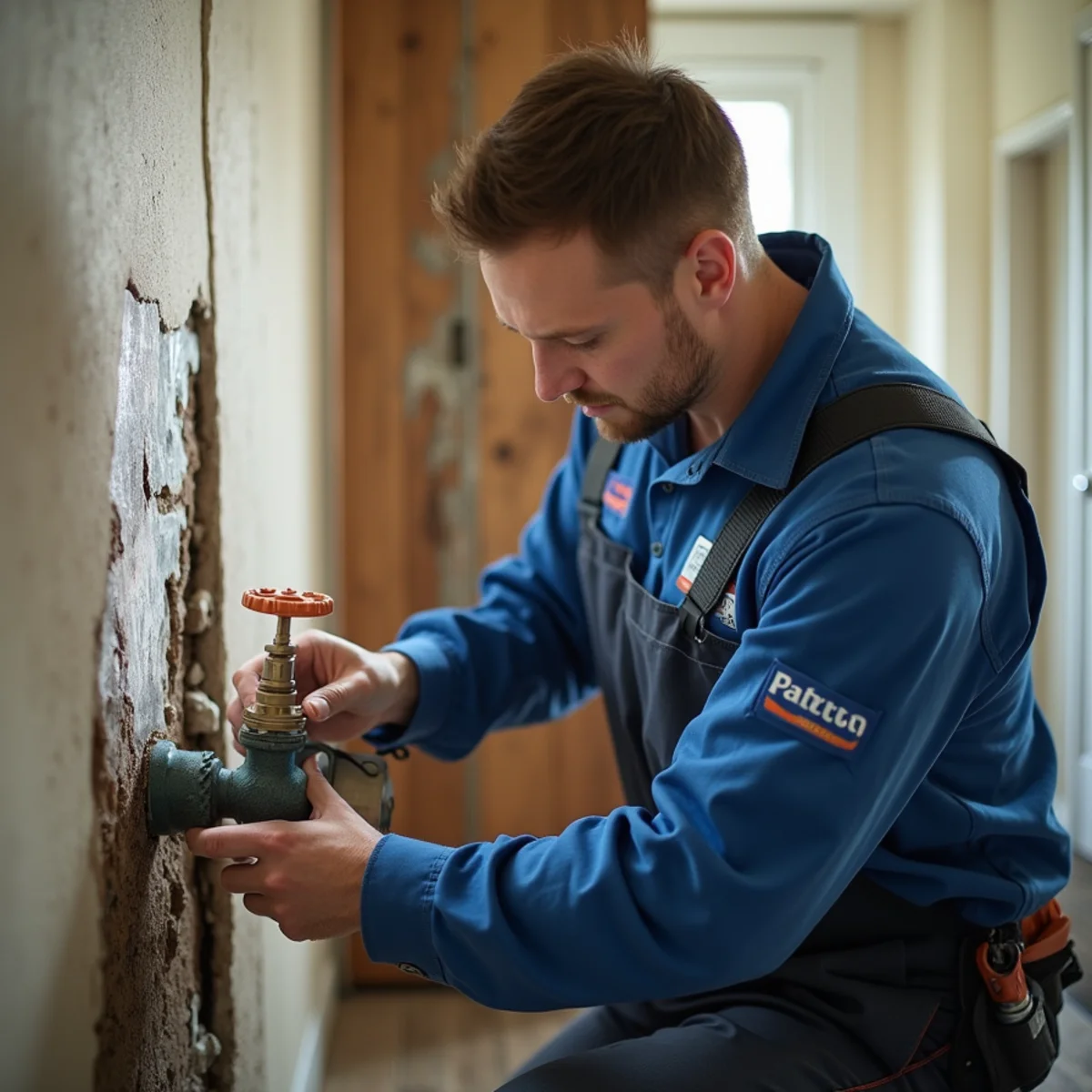
How Fast Does Mold Grow After Water Damage? The 24–48 Hour Rule
IICRC-certified restoration specialists — 15+ years restoring Oakland & East Bay homes.
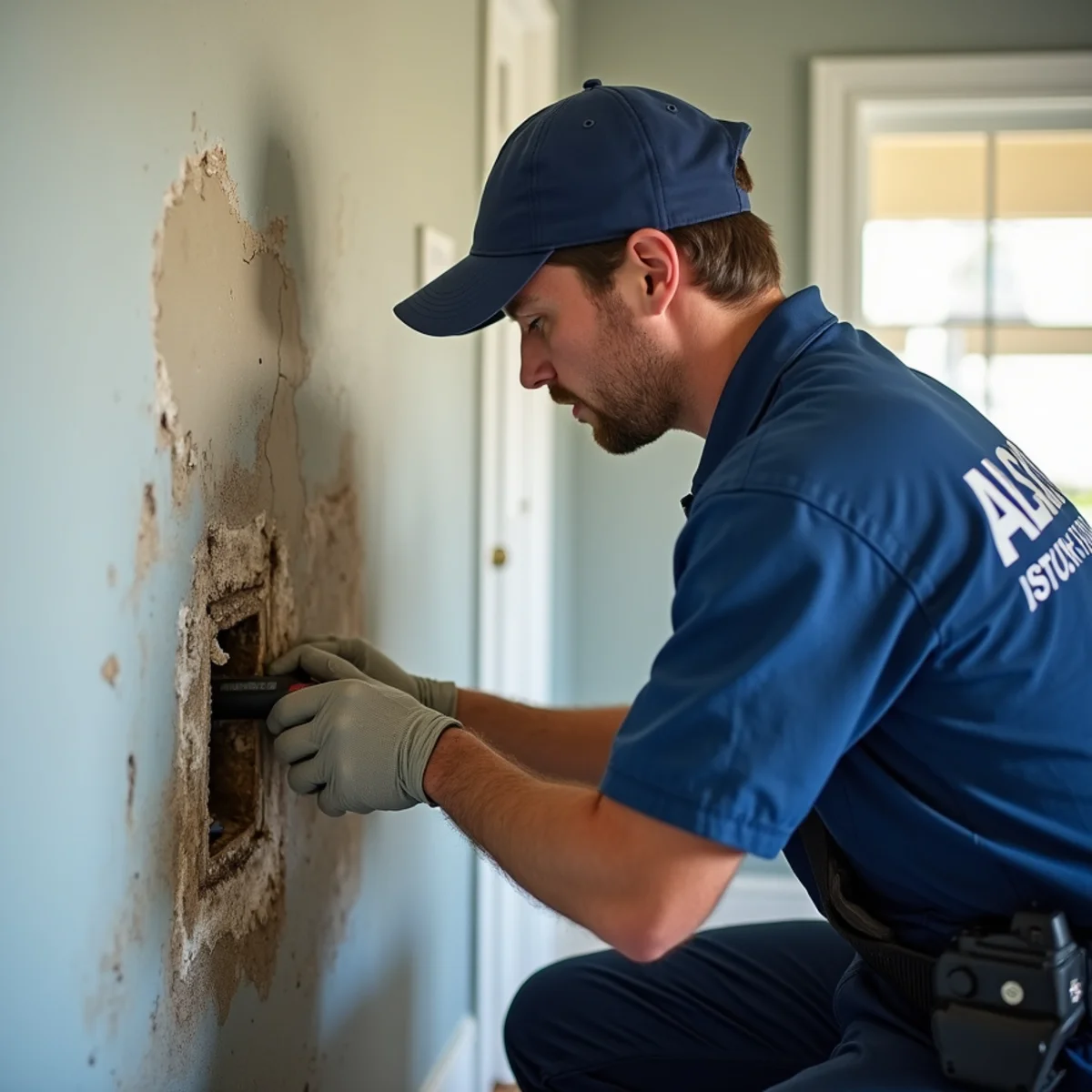
When your home takes on water, you're not just racing to dry it — you're racing the clock on mold. The number every restoration professional repeats is 24 to 48 hours, and it's not marketing. That's genuinely how little time you have before mold spores, which are already present in every building, start to colonize wet materials. In Oakland, the margin can be even tighter.
The 24–48 hour rule, explained
Mold spores are everywhere, all the time, doing nothing — until they get the one thing they need: moisture. Give them a wet, porous surface at normal room temperature and they begin to germinate within about a day or two. Within the first week, visible growth can spread across drywall, wood, and fabric. The lesson isn't to panic; it's that the window for drying things out before mold starts is short, and it closes faster than most people expect.
Why Oakland's climate shortens the window
Mold loves humidity, and Oakland supplies it. The marine layer pushes damp air across the city for much of the year, so the ambient humidity that would help a home in a dry climate dry out on its own instead keeps surfaces moist. A wall that might air-dry in Sacramento stays damp here. Our guide on Oakland's marine-layer moisture problems covers how this feeds year-round moisture issues even without a flood.
Where mold hides while you think it's dry
The dangerous part is that the surface can look and feel dry while the problem grows out of sight. The most common hiding places after water damage:
- Inside wall cavities, on the back of the drywall where you can't see it
- Under flooring — beneath laminate, vinyl, and in carpet padding
- Above ceilings, especially after a roof or upstairs plumbing leak
- Behind baseboards and inside the bottom plate of framed walls
- In the subfloor and floor joists under a room that flooded
This is exactly why professional drying relies on moisture meters and thermal imaging rather than touch. A material is only dry when a meter says it is — and the spots that fool people are the ones mold likes best.
Why fans and time aren't enough
Household fans move air across a surface, which dries the surface while leaving the moisture trapped in the material and the cavity behind it. They do nothing for a wet wall interior or a saturated subfloor, and in a humid climate they can simply push moist air around. Professional drying is different in kind, not degree: commercial dehumidifiers pull water out of the air so materials can release moisture, air movers direct that process, and the whole thing is monitored daily until verified dry. That's what actually beats the 24–48 hour clock on hidden moisture.
If mold has already started
Don't disturb it — scrubbing or blowing on visible mold releases spores through the house. Keep the area closed off, keep the HVAC off so you don't spread spores through the ducts, and have it assessed. Established growth needs containment and proper remediation, not a spray bottle.
What this means for you
The practical takeaway is simple and a little urgent: the first 24 hours matter more than anything that happens later. If your home has flooded or you've found a significant leak, getting water extracted and professional drying started quickly is what keeps a drying job from becoming a mold-remediation-and-rebuild job. If you're reading this after water has already sat for a couple of days, assume mold is possible and get it inspected rather than hoping it dried on its own — in Oakland, it usually didn't.
Dealing with water damage in Oakland right now?
A local Oakland team answers live — 24/7, 365 days a year. We respond fast, document for insurance, and handle the whole job.
Frequently asked
Typically 24 to 48 hours on wet, porous materials at normal room temperature. Visible growth can spread within the first week. Oakland's humid marine climate tends to keep materials damp, which can shorten that window.
Not necessarily. Surfaces can feel dry while moisture stays trapped inside walls, under floors, and in cavities — and that's where mold grows. Only a moisture meter confirms a material is dry to the core.
A small amount on a hard, non-porous surface, maybe. But mold on porous materials (drywall, wood, carpet) and anything beyond a small patch needs containment and proper remediation — disturbing it spreads spores through the home. Get it assessed first.
Fast extraction plus monitored commercial drying is the proven way to get materials — including hidden ones — dry before the 24 to 48 hour window closes. That's the whole point of starting quickly rather than relying on fans and time.
Keep exploring
Areas we serve